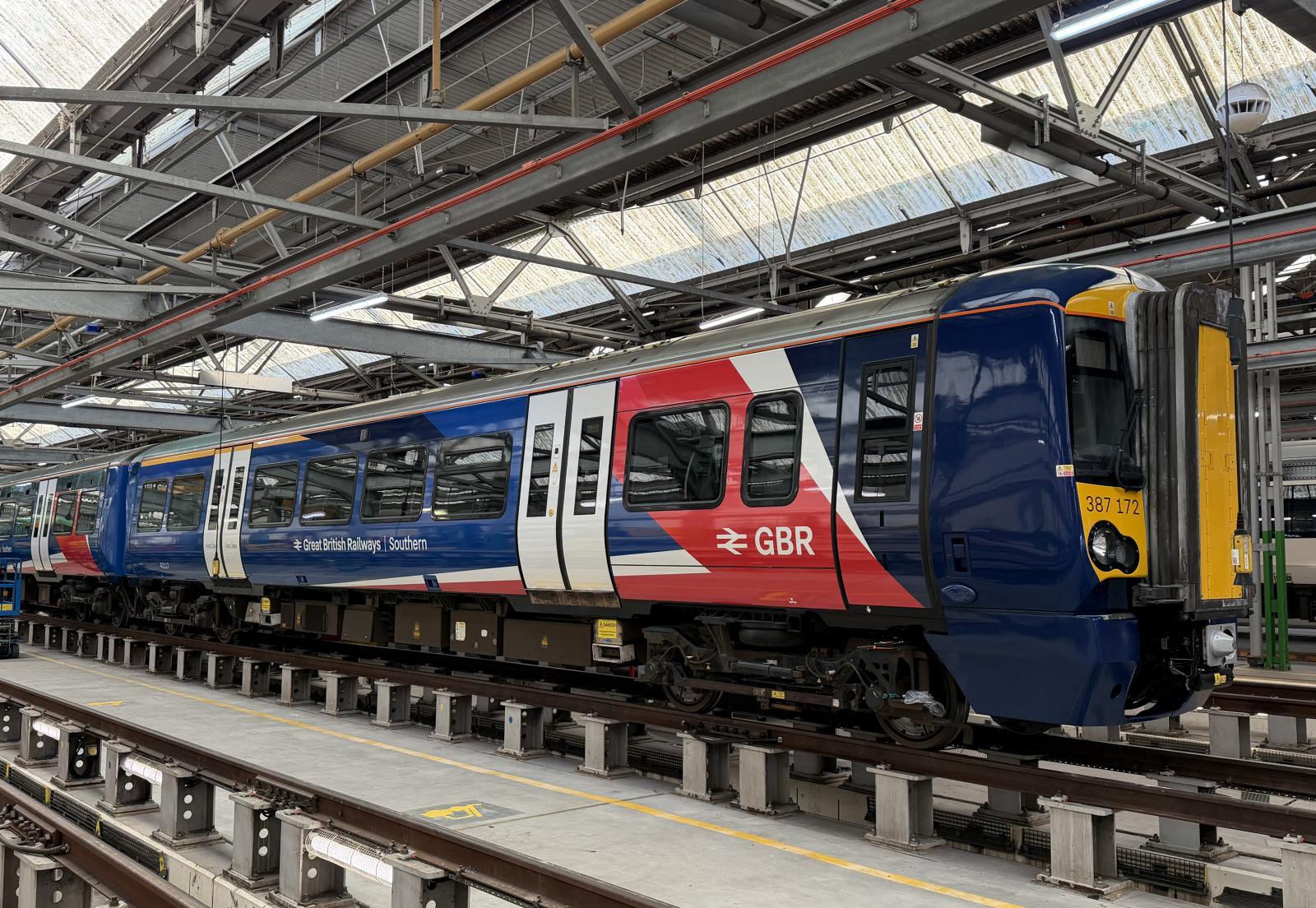
A pivotal moment in Britain’s rail reform programme has been marked with the unveiling of the first Great British Railways (GBR) branded train, signalling the most visible step yet towards a unified, publicly owned railway.
The striking red, white and blue Union Jack livery was revealed in, ahead of Govia Thameslink Railway (GTR) transferring into public ownership on Sunday 31 May. From this weekend, rail passengers travelling across the south and south east will begin to see the new branding in service, just as the summer travel season begins.
The debut train is a Class 387 operated by Southern, and its introduction coincides with Britain’s largest train operator joining the growing public network. Once GTR transfers, more than 11,000 publicly owned services will operate every weekday, placing the majority of England’s passenger rail journeys under public ownership.
The move comes almost a year after South Western Railway entered public ownership, a milestone the Government says marked the beginning of the end of nearly three decades of fragmentation under the privatised system.
When GTR transfers, around eight in ten passenger journeys that Great British Railways will ultimately oversee will be delivered by publicly owned operators. Ministers argue this shift will be particularly significant as millions of passengers travel this summer for holidays, leisure and family visits.
According to the Department for Transport, publicly owned operators are already outperforming their private counterparts on punctuality and cancellations. Passengers are also benefiting from the first rail fare freeze in 30 years, saving regular travellers hundreds of pounds on season tickets.
The GBR brand will be rolled out gradually across stations, trains and staff uniforms to ensure value for money. It will also form part of the forthcoming GBR ticketing app, designed as a single digital platform where passengers can check train times, buy tickets with no booking fees and arrange Passenger Assist.
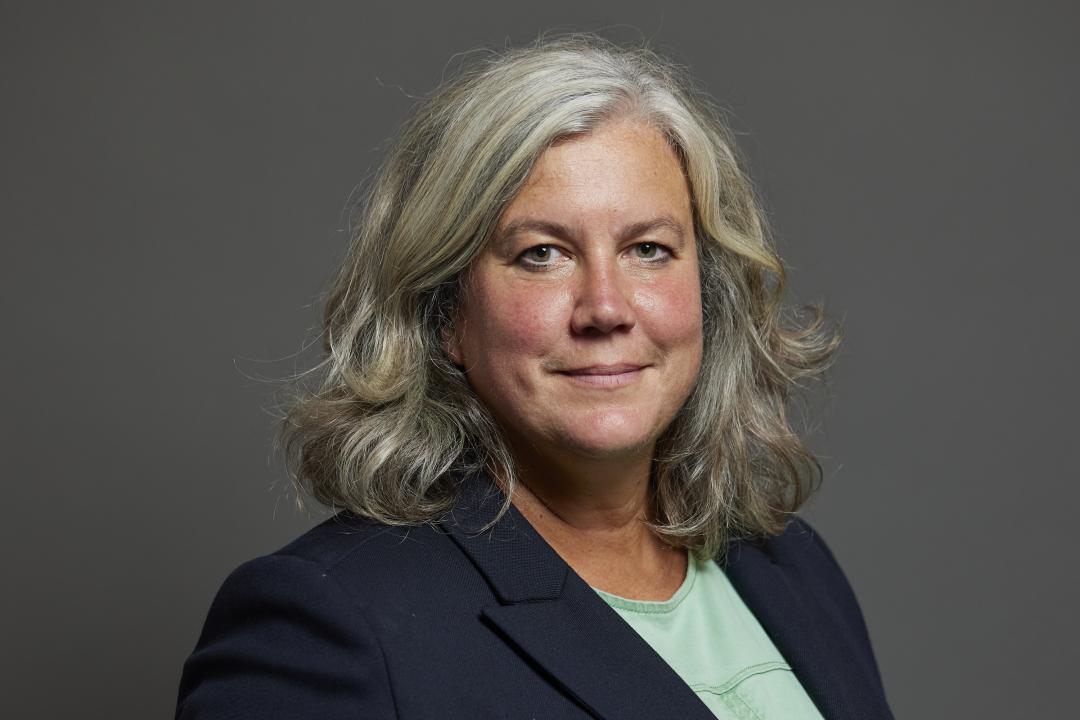
Transport Secretary Heidi Alexander said:
“The unveiling of the first GBR‑branded train in Brighton today makes the future of Britain’s railways a reality.
“It represents all of the work being done by staff up and down the country to fundamentally reform our railway.
“This isn’t just a paint job - it’s an important step towards building a more joined‑up, publicly-owned railway that puts passengers first, delivers better services and leaves the frustrations and fragmentation of the past behind.”
GBR will be responsible for maintaining and improving the railway, with direct accountability to passengers, freight customers and taxpayers. The Government says fares and ticketing will be modernised, a strengthened passenger watchdog will be empowered to demand improvements, and the railway will play a central role in unlocking economic growth, jobs and housing.
John Whitehurst, Chief Operating Officer for GTR, said:
"We’re very pleased to be the first train operator to have a Great British Railways-branded train on our network, and I'm proud of how hard colleagues have worked to get us here.
“It’s a significant milestone for everyone at GTR, which reflects our readiness for change and the improvements we've already been delivering for customers.
“As we move closer to our transition to public ownership on 31 May, our priorities remain providing safe and reliable services every day, with customers, colleagues and communities at the heart of everything we do.”
The reforms have also been welcomed by the tourism sector. Patricia Yates, CEO of VisitBritain, said:
“Travelling by rail opens up iconic locations as well as less explored destinations, with stunning scenery along the way. The ease and convenience of rail travel to access our outstanding attractions and destinations, in a relaxing and environmentally friendly way, also broadens travel itineraries, encouraging visitors to travel further and stay longer.
“An efficient public transport system that offers visitors choice, flexibility, connectivity and great customer service is integral to this, with rail playing a leading role.”
The Government highlights a number of early benefits already delivered under public ownership, including additional capacity, stronger punctuality and improved onboard experience. From next Sunday, Thameslink, Great Northern, Southern and Gatwick Express services will all move into public ownership.
Further transfers are scheduled, with Chiltern Railways due to follow in September 2026, Great Western Railway in December 2026, and the full public ownership programme expected to conclude by the end of 2027.
Image credits: Dept of Transport and UK Parliament