Artificial intelligence and real‑time monitoring technology are transforming how the UK’s rail infrastructure is maintained, helping to cut delays, prevent disruption and keep passengers moving.
London North Eastern Railway (LNER) and Network Rail have strengthened their operational partnership by rolling out advanced monitoring systems across key fleets operating on the East Coast Main Line (ECML). The deployment marks a significant step forward in proactive infrastructure management, using data‑driven insights to identify and resolve faults before they impact customers.
Smarter Trains, Smarter Infrastructure
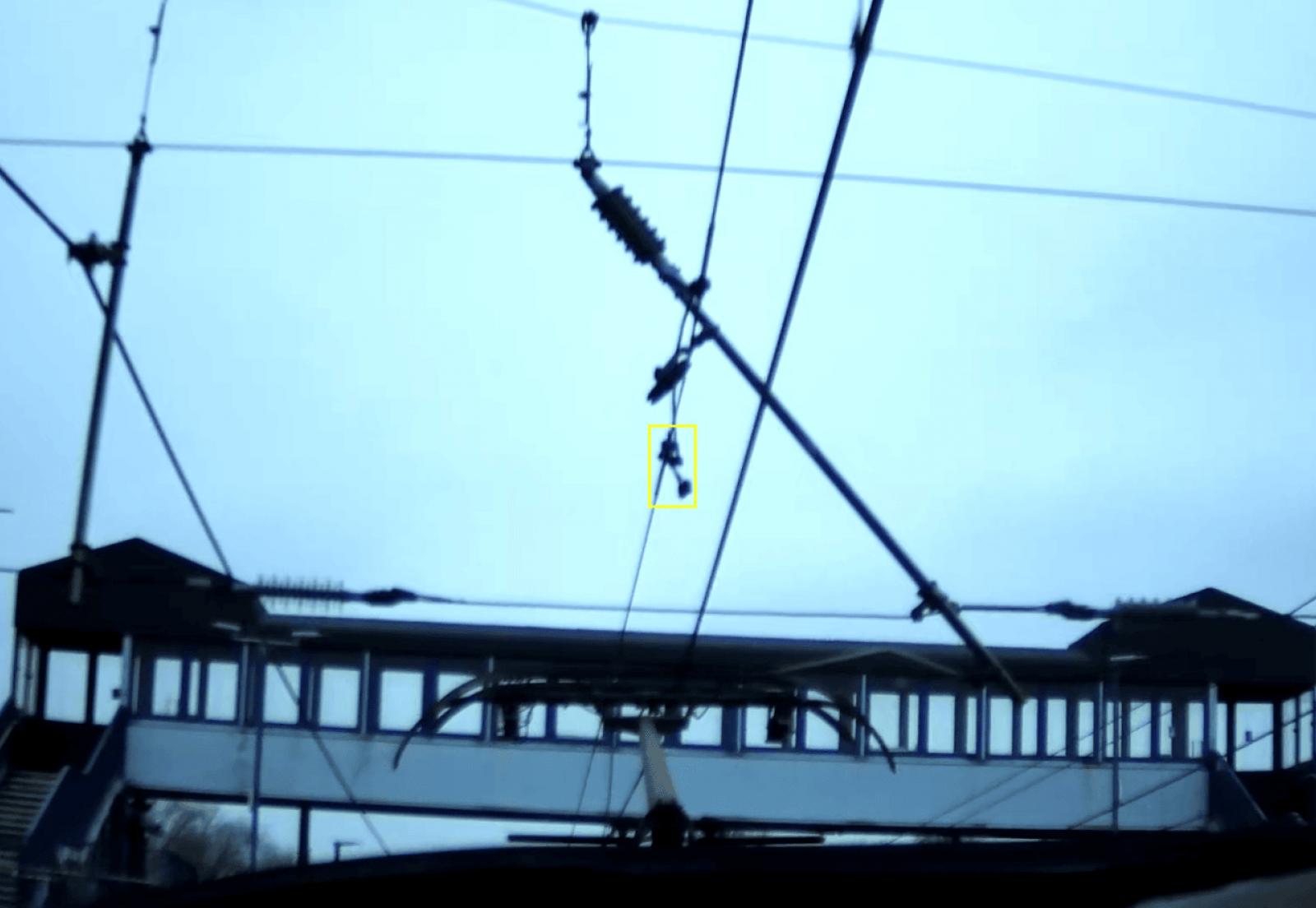
The two organisations have installed Pantograph Damage Assessment System (PANDAS) and Automated Intelligent Video Review (AIVR) technology across LNER’s Azuma and InterCity 225 fleets. Together, these systems continuously monitor the condition of overhead line equipment (OLE) and track across the ECML and wider LNER network.
By identifying early signs of wear, damage or misalignment, the technology enables Network Rail engineers to intervene earlier—reducing the risk of severe infrastructure failures that can cause widespread delays, cancellations and significant cost to the taxpayer.
PANDAS: Protecting the Overhead Line
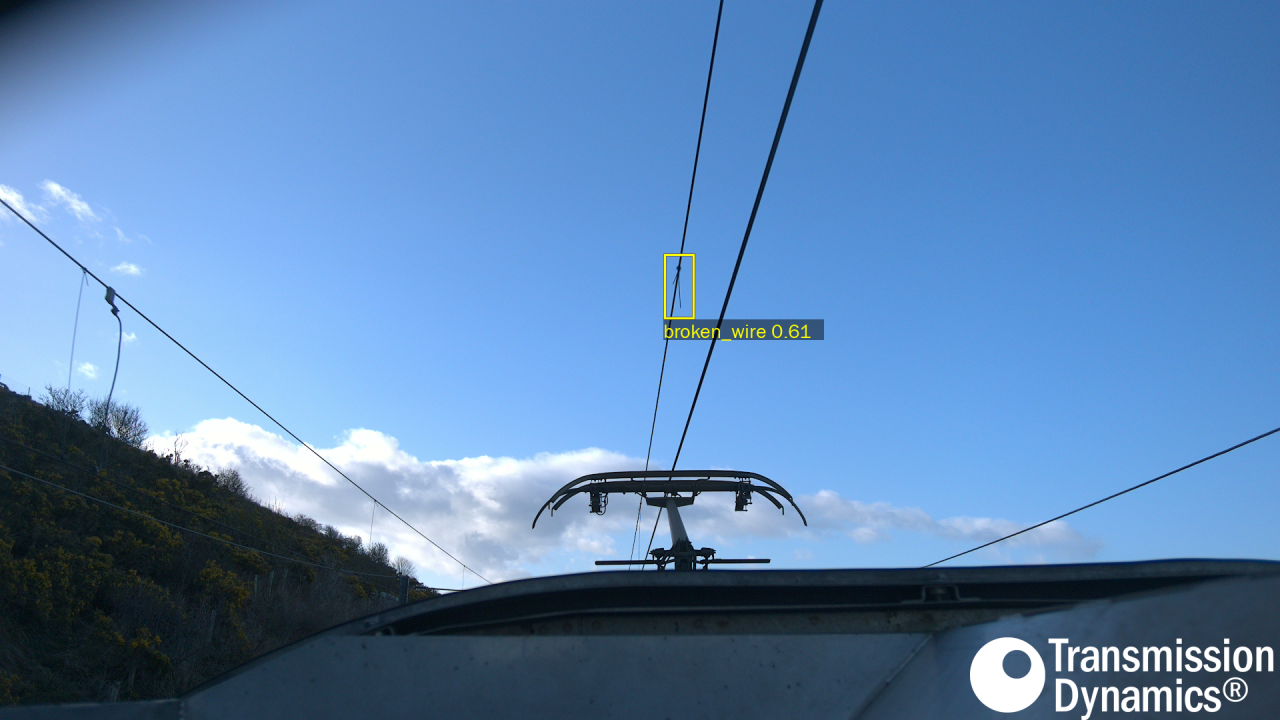
PANDAS was first trialled on a Class 91 locomotive around four years ago. Following a wider rollout in 2025, the system is now installed on five LNER Azuma units and four Class 91 locomotives, providing daily coverage of the entire electrified East Coast Main Line.
Mounted on the roof of the train, with sensors integrated into the pantograph, PANDAS uses artificial intelligence and machine learning to analyse the interaction between the pantograph and overhead wires in real time. The system delivers accurate, up‑to‑date data directly to Network Rail engineers, supporting faster and more targeted maintenance decisions.
AIVR: Seeing Track Defects Before They Escalate
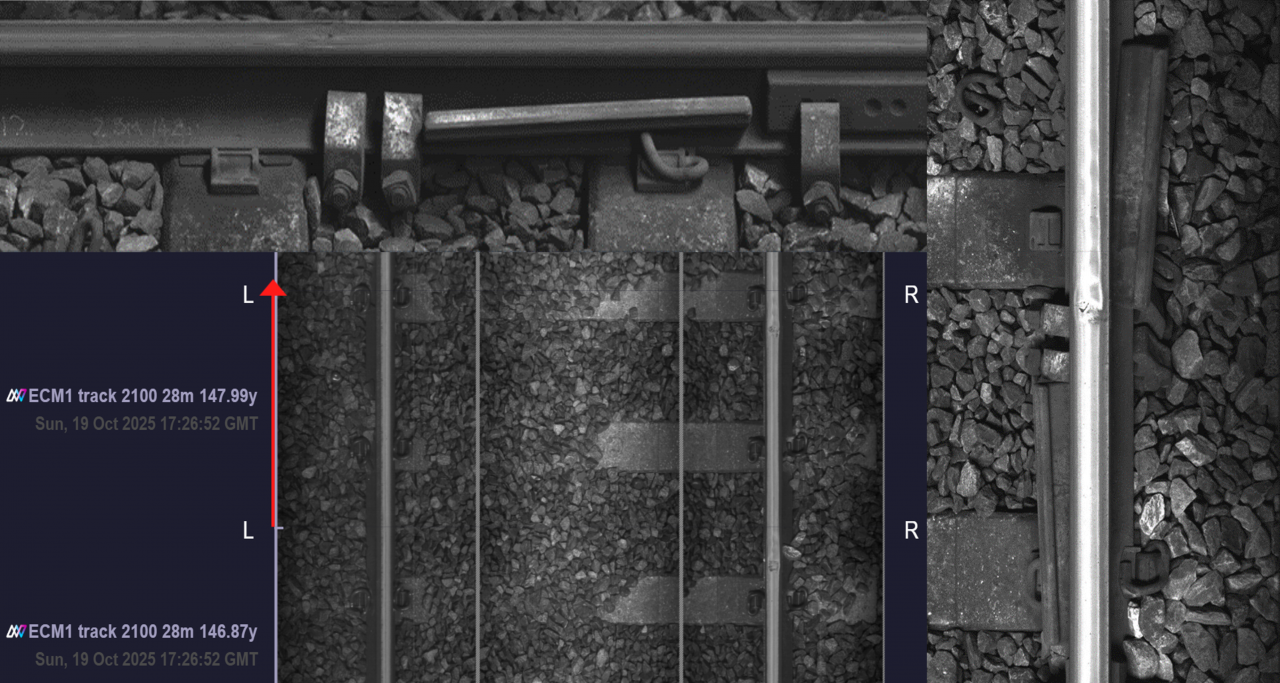
AIVR was fitted to two bi‑mode LNER Azuma units in January 2026, with plans to expand the deployment. Using under‑body cameras, the system captures high‑resolution line‑scanning data, giving engineers a detailed and repeatable visual record of track condition.
With the current installation, almost 1,000 miles of the LNER network can now be analysed each week—providing a powerful new layer of assurance across both electrified and non‑electrified routes.
Real Results for Passengers and the Industry
The impact of the technology is already measurable.
Over the last 12 months, PANDAS has driven the removal of 19 overhead line defects that may otherwise have gone undetected. Network Rail engineers estimate these defects could have led to at least four major OLE incidents, such as dewirements—each typically resulting in:
- Over 1,500 Time to 3 failures
- More than 4,000 delay minutes
- Around 50 full or part cancellations per incident
Without intervention, customers could have faced at least 11 days of cumulative delays, missed connections and thousands of pounds in Delay Repay compensation.
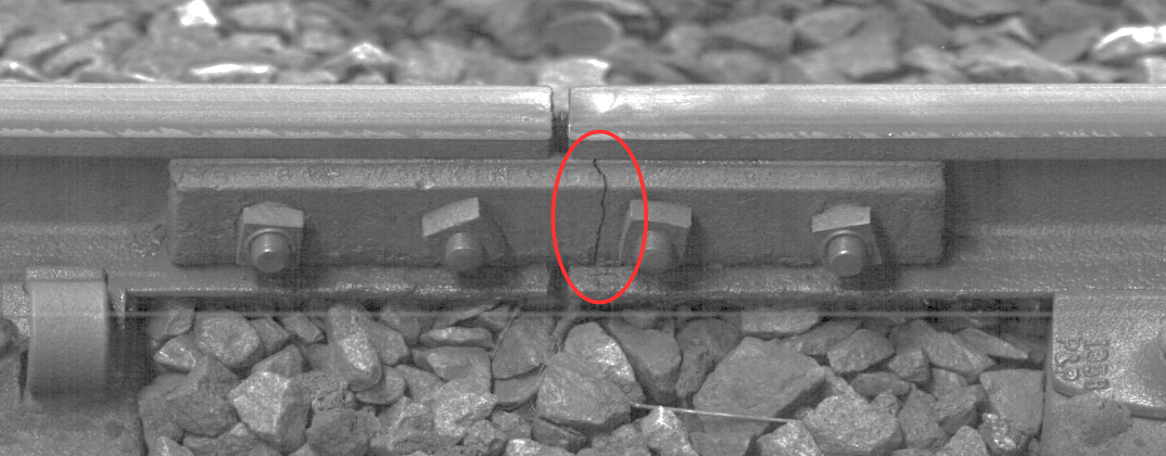
AIVR has also demonstrated its value. In January 2026, a reported track defect in Cambridgeshire caused over 10,000 delay minutes, multiple cancellations and a full day of disruption. Just one week later, AIVR identified a minor fault near Retford with the potential to escalate. Engineers carried out an overnight repair—with zero delay minutes and no impact on passengers.
Industry Collaboration at the Core
Gunnar Lindahl, Joint Operations Director, LNER and Network Rail, said:
“We want to provide our customers with the best possible journey when they travel by train. We know how frustrating it can be when trains are delayed or cancelled by infrastructure problems, and this technology actively combats that.
“LNER and Network Rail are working more closely than ever, running a safe, reliable railway, connecting millions of customers across the East Coast Main Line and beyond.”
He added:
“This technology has been invaluable to us. It allows us to be more strategic and deliberate in deploying our engineers and helps us make sure that the areas most in need of attention receive it. Both systems will evolve and develop as we continue to place our focus on delivering reliability for our customers.”
A Blueprint for a More Reliable Railway
As pressure continues to grow on the rail network, the success of PANDAS and AIVR highlights how intelligent monitoring, AI and closer operator–infrastructure collaboration can deliver tangible benefits for passengers, the industry and the public purse.
For LNER and Network Rail, the message is clear: preventing disruption before it happens is now firmly part of day‑to‑day railway operations.
Image credits: LNER