
Passengers travelling on the West Coast Main Line this festive season are being urged to check before they travel, as Network Rail embarks on a programme of significant improvements designed to future-proof one of Britain’s busiest rail routes.
Between 24 December and 15 January, thousands of workers from Network Rail and its supply chain will deliver upgrades across the line from London to Cumbria. These works form part of a long-term strategy to improve reliability, performance, and passenger experience.
Key Projects Driving Change
Among the hundreds of journey-enhancing schemes, the largest include:
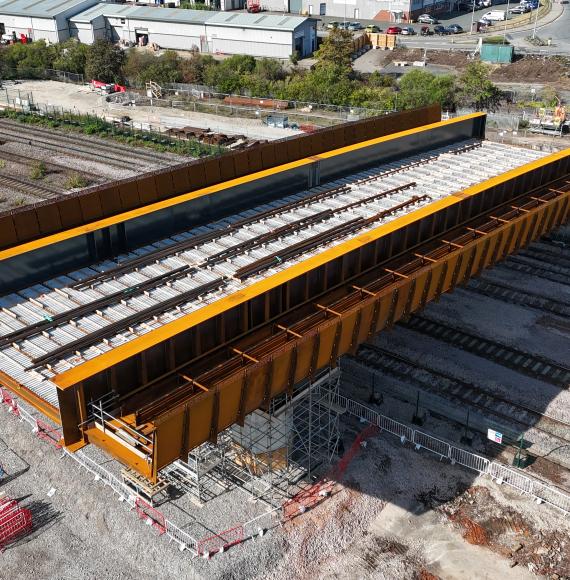
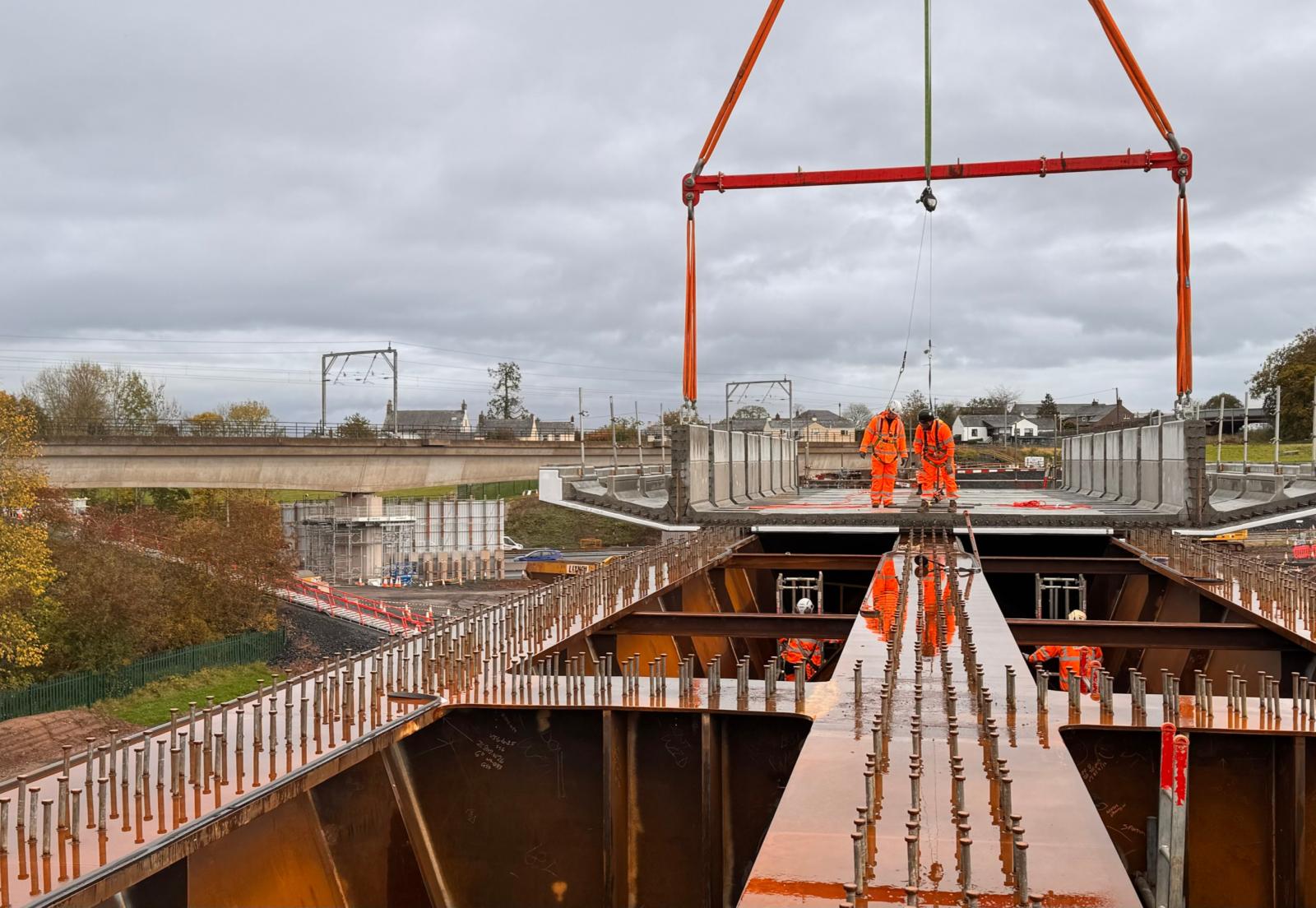
- £60m replacement of a 13-metre-long bridge over the M6 near Penrith
- £26m upgrade to Hanslope Junction, one of the busiest points near Milton Keynes
- £61m rolling programme of signalling upgrades north of Carlisle
- £6m project to replace signalling gantries at Preston station
Alongside these flagship projects, teams will also deliver renewals to overhead lines, station platforms, track, signalling systems, and bridges along the 309-mile route between London Euston and the Scottish border.
This work is part of a £400m investment over the next four years into both the northern and southern sections of the West Coast Main Line.
Impact on Services
To complete these improvements safely, significant sections of the line will close for 22 days between Christmas Eve and 15 January. Network Rail has worked closely with train operators to keep passengers moving wherever possible. For example, the Settle to Carlisle line will be used as a diversionary route for long-distance services for the first time in a decade.
Where no alternative rail routes exist, replacement buses will ensure passengers reach their destinations.
Christian Irwin OBE, Network Rail’s capital delivery director for the North West & Central region, said:
“This critical work we are delivering over the festive period is a key part of our ongoing major investment plan for the West Coast Main Line, one of the UK's busiest rail routes.”
“These projects will enhance the experience for passengers and freight, improve reliability and performance across the railway line, and ensure it remains fit for purpose for decades to come.”
Image credit: Network Rail