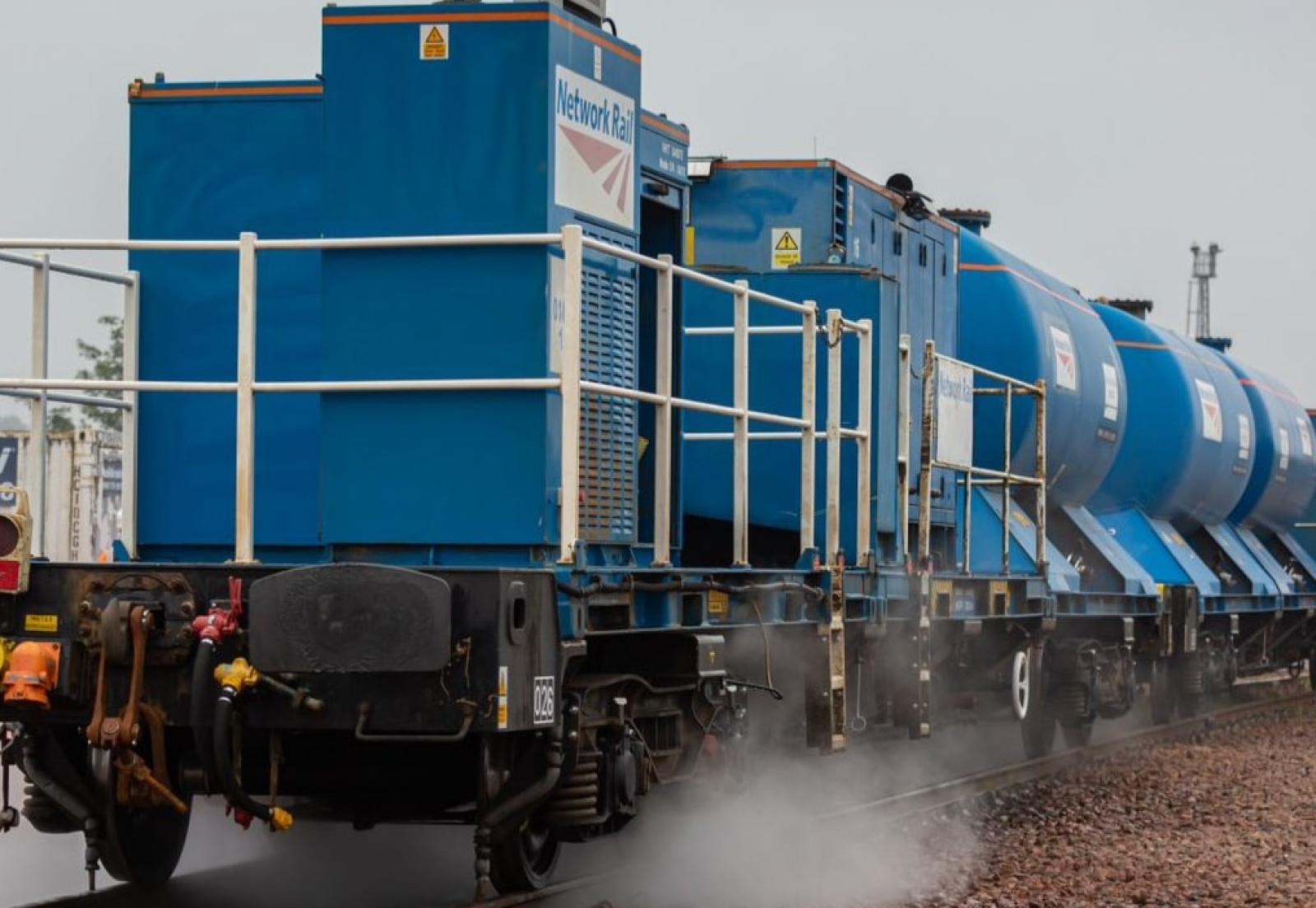

Network Rail and Transport for Wales (TfW) have unveiled a comprehensive autumn and early winter resilience programme aimed at protecting rail services from the seasonal challenges of leaf fall, flooding and severe weather.
The announcement comes as the Met Office warns there is an increased likelihood of wetter and windier than average conditions across the UK during late autumn and early winter, driven in part by El Niño and other global weather patterns.
With heavy rainfall expected to increase the risk of flooding, particularly following a dry summer when hardened ground struggles to absorb sudden downpours, both organisations are taking proactive measures to minimise disruption and maintain reliable services for passengers.
A key part of the strategy will see TfW introduce targeted temporary timetable amendments on selected routes between 10 October and 4 December 2026. Passengers are being advised to check journey times before travelling, as some services will depart slightly earlier than usual.
The approach has already delivered strong results. Last autumn, similar timetable adjustments contributed to a 45% reduction in autumn-related delays on the Wrexham to Bidston line and a 233% improvement on the Conwy Valley line.
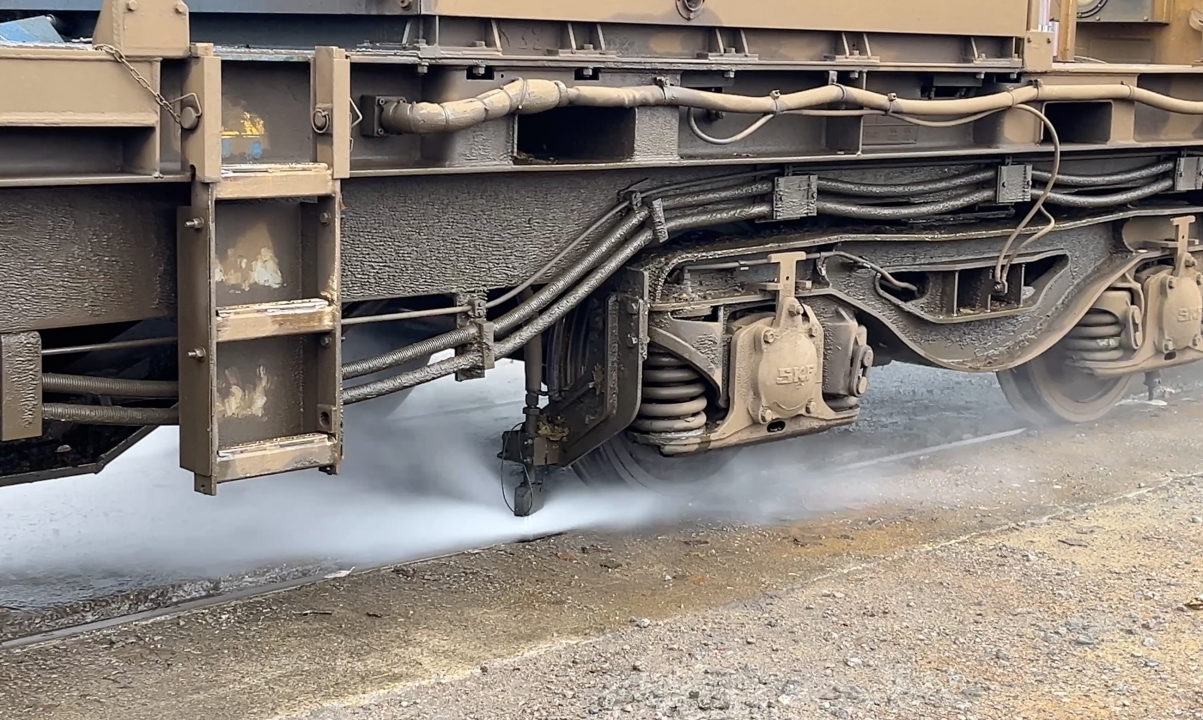
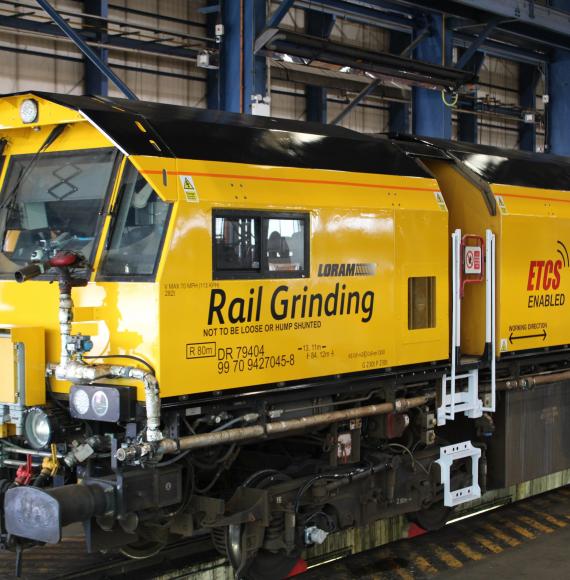
Alongside timetable changes, Network Rail Wales and Borders will deploy four specialist treatment trains to tackle low rail adhesion caused by falling leaves. The trains will treat more than 54,400 miles of track across 224 circuits, removing leaf residue and helping improve train performance and reliability.
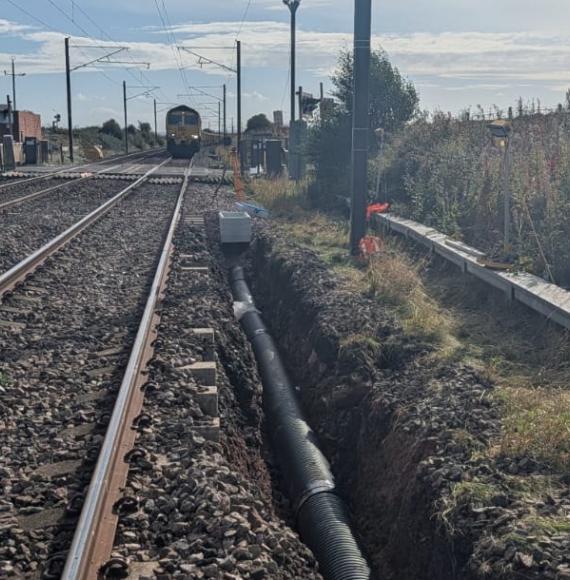
The infrastructure owner has also completed targeted drainage improvements at locations vulnerable to flooding, including near Gobowen, while ten dedicated Autumn Response Teams will be on standby to react quickly to changing weather conditions.
For the first time, ten weather monitoring stations have been installed across the Wales and Borders route. The stations provide real-time local weather data, enabling operational teams to respond more effectively and reduce passenger disruption.
TfW has also strengthened fleet resilience through a £2.5 million investment in its Canton depot, including the installation of a new wheel lathe. During autumn, compressed leaf deposits can create a slippery layer on rails, causing wheel slip and wheel damage. The new facility will help maintain wheel condition, reduce downtime and improve passenger comfort.
The investment follows the opening of another wheel lathe facility at Holyhead earlier this year.
Colin Lea, Planning & Performance Director at TfW, said:
"While these timetable changes are relatively minor, they play an important role in helping us deliver a more reliable and consistent service during the autumn months, when trains are most affected by leaf fall.
"This year, we've been able to include these changes in journey planners 12 weeks in advance, giving customers more notice so they can plan their journeys with confidence. We’ve also worked hard to minimise disruption to services, avoiding removing station stops which we know causes a lot of inconvenience for our customers”
"Alongside working closely with Network Rail, these measures help us reduce delays, improve reliability and keep customers moving safely throughout the autumn period."
Martin Taylor, Chief Infrastructure Officer for Network Rail Wales and Borders, said:
“By planning early, making use of the latest operational and weather intelligence, and working closely with industry partners, we can manage safety, risk, minimise disruption and keep services running reliably throughout the autumn period.
“We’re continually looking to improve our capabilities, making greater use of intelligence-led data and technology to support our decision-making. This helps us adapt to changing weather patterns and prepare for future challenges”.
Sarah Davies, Head of Environment and Energy at the Met Office, added:
"El Niño is one of several factors that can influence the UK's weather. While its impact on the UK is less direct than in some other parts of the world, it can increase the likelihood of wetter conditions during late autumn and early winter. However, it is only one of a number of large-scale atmospheric drivers that influence weather patterns in UK.
“The Met Office's latest long range outlook suggests an increased chance of wetter and windier than average conditions through late autumn and early winter. This broad signal is consistent with the influence we would typically expect from El Niño. Seasonal forecasts indicate the most likely weather patterns over a period of several months rather than predicting exactly when or where impacts may occur.
“With a greater likelihood of periods of unsettled weather at times, it is important that travellers, communities and businesses stay up to date with the latest forecasts and any weather warnings issued by the Met Office so they can make informed decisions and plan ahead should severe weather affect their area."
Image credits: Network Rail