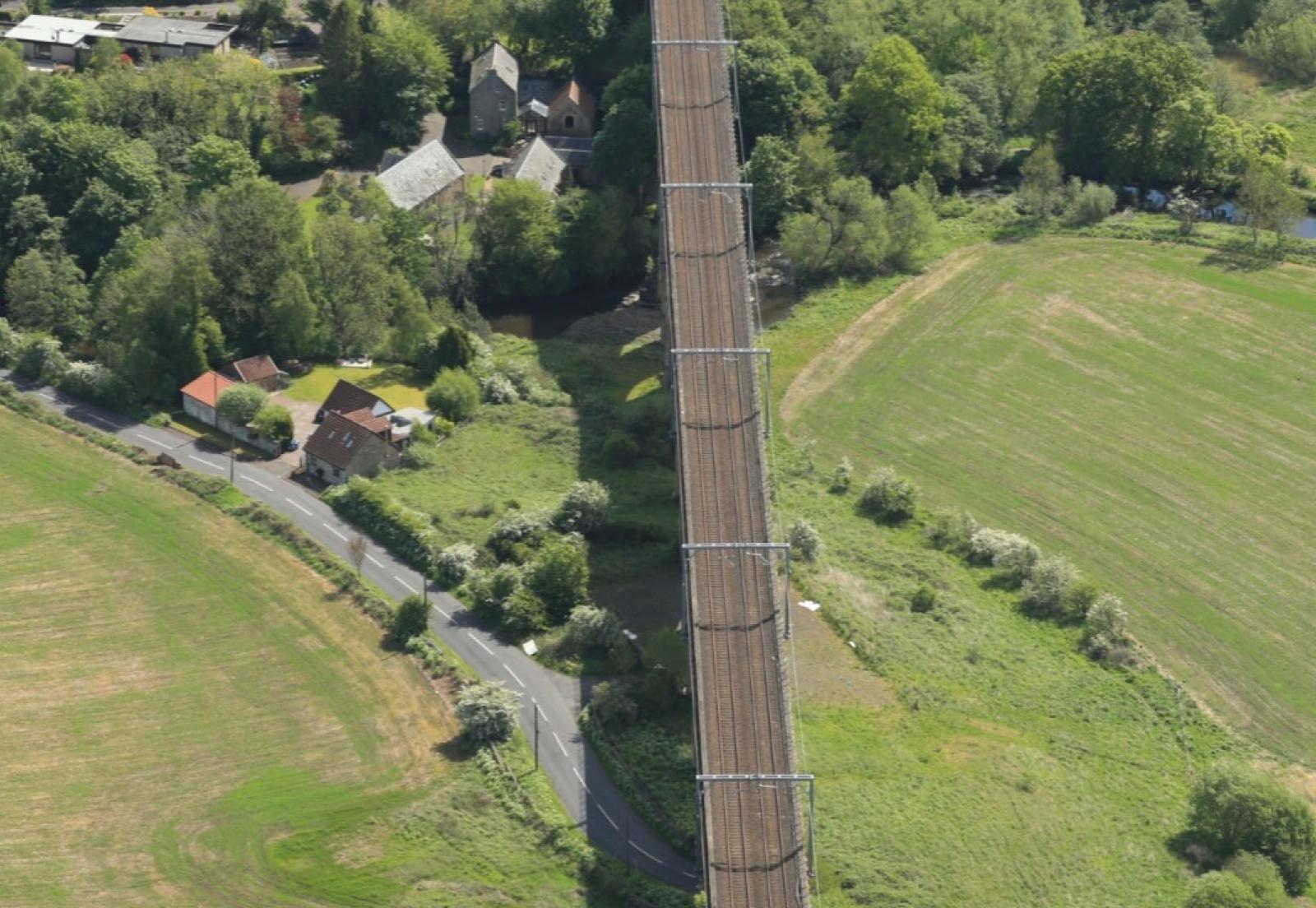

Network Rail has begun a major £3.6 million refurbishment project on the historic Avon Viaduct near Linlithgow, safeguarding the future of one of Scotland's most significant railway structures.
The programme of works, which commenced on 3 August and is scheduled for completion by May 2027, will see the 23-span listed viaduct undergo a series of repairs and upgrades to ensure it continues carrying rail services across the River Avon between West Lothian and Falkirk for decades to come.
The scheme includes extensive masonry repairs, structural strengthening and the repainting of steelwork, all aimed at extending the lifespan of the landmark structure while preserving its historic character.
Engineers will also replace the existing metal parapet handrails with modern glass-reinforced polymer (GRP) parapets, providing improved durability and reducing long-term maintenance requirements.
The investment forms part of Network Rail's wider commitment to maintaining, upgrading and preserving Scotland's railway infrastructure, with a particular focus on protecting historic assets that remain essential to the country's transport network.
Given the viaduct's listed status, the project has been carefully developed in consultation with local authorities and environmental specialists to ensure heritage considerations remain at the forefront of the works.
Environmental surveys have also been completed to identify and protect local wildlife. Measures have been put in place to minimise disruption to species including nesting birds and bats throughout the duration of the project.
Allison Flanagan, project manager at Network Rail Scotland, said:
"This is an important investment in one of Scotland's historic railway structures. The work will help ensure Avon Viaduct continues to play its role on the railway while preserving its character for future generations.
"As well as extending the life of the structure, the project will help protect an important part of the local landscape and railway heritage for years to come.”
The project highlights the ongoing challenge of balancing the preservation of historic railway infrastructure with the demands of a modern railway, ensuring vital structures can continue supporting both passenger and freight operations while remaining part of Scotland's rich engineering heritage.
Image credits: Network Rail