
Network Rail has successfully delivered a series of ambitious engineering projects across the North East and Yorkshire, completing work ahead of schedule and sparing passengers two additional weekends of disruption.
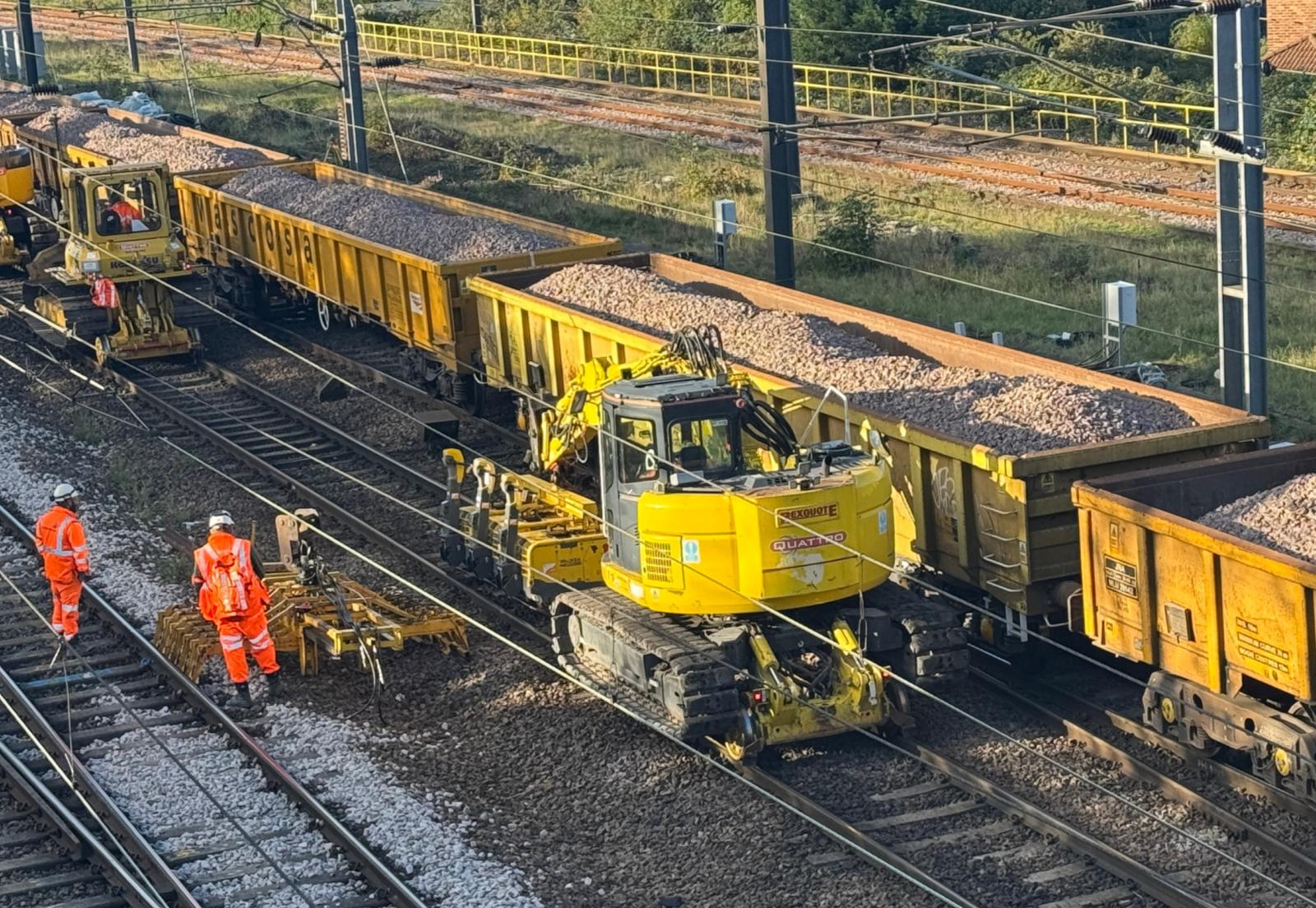
The bulk of the work was conducted over just five weekends, starting on 11 October and finishing on 1 December, as part of a drive to minimise inconvenience while delivering essential upgrades.
A key milestone was achieved in the £140 million Darlington station upgrade, where significant changes to the signalling system were evaluated and brought into use. This progress paves the way for two new platforms, enabling better train flow management, reducing delays, and creating capacity for more services in the future.
Over three intensive weekends (25–26 October, 1–2 November, and 8–9 November), Network Rail completed a wide range of improvement projects centred on York, in a trial approach that condensed work to save two further weekends of disruption.
Highlights include:
- £125,000 investment in Nether Poppleton level crossing, with new surface, road markings, and cill beams.
- £1.1 million upgrade at Heck sidings, improving the ground frame controlling track points.
- Replacement of sleepers and ballast at Tollerton.
- Track renewals at Holgate Junction, Dringhouses and Earfit Lane.
- Drainage improvements north of York and resilience upgrades to overhead line equipment.
- Renewed signalling equipment at York station and Transpennine Route Upgrade works south of York.
Additionally, a nine-day closure between Knaresborough and York allowed repairs to Cattal signal box, renewal of its lever frame, and installation of new gates and hinges at Cattal level crossing.
Jason Parrish, Head of Planning for Network Rail’s East Coast Route, commented:
“We’re grateful for passengers’ patience while we conducted this work. It’s important to note that conducting such an intensive programme of work over the five weekends has reduced the overall impact for customers.
“Had we done this in the ‘normal’ way, then there would have been two more weekends of disruption required in order to complete all the work.
“We’re grateful to everyone in our teams, and across the rail industry, for pulling together to deliver what is an outstanding achievement, with clear benefits for the public, both in terms of the improvements delivered in journey quality and reliability and the reduced periods of overall disruption required.”
These works form part of Network Rail’s commitment to modernising infrastructure, improving reliability and supporting future capacity across the region.
Image credit: iStock