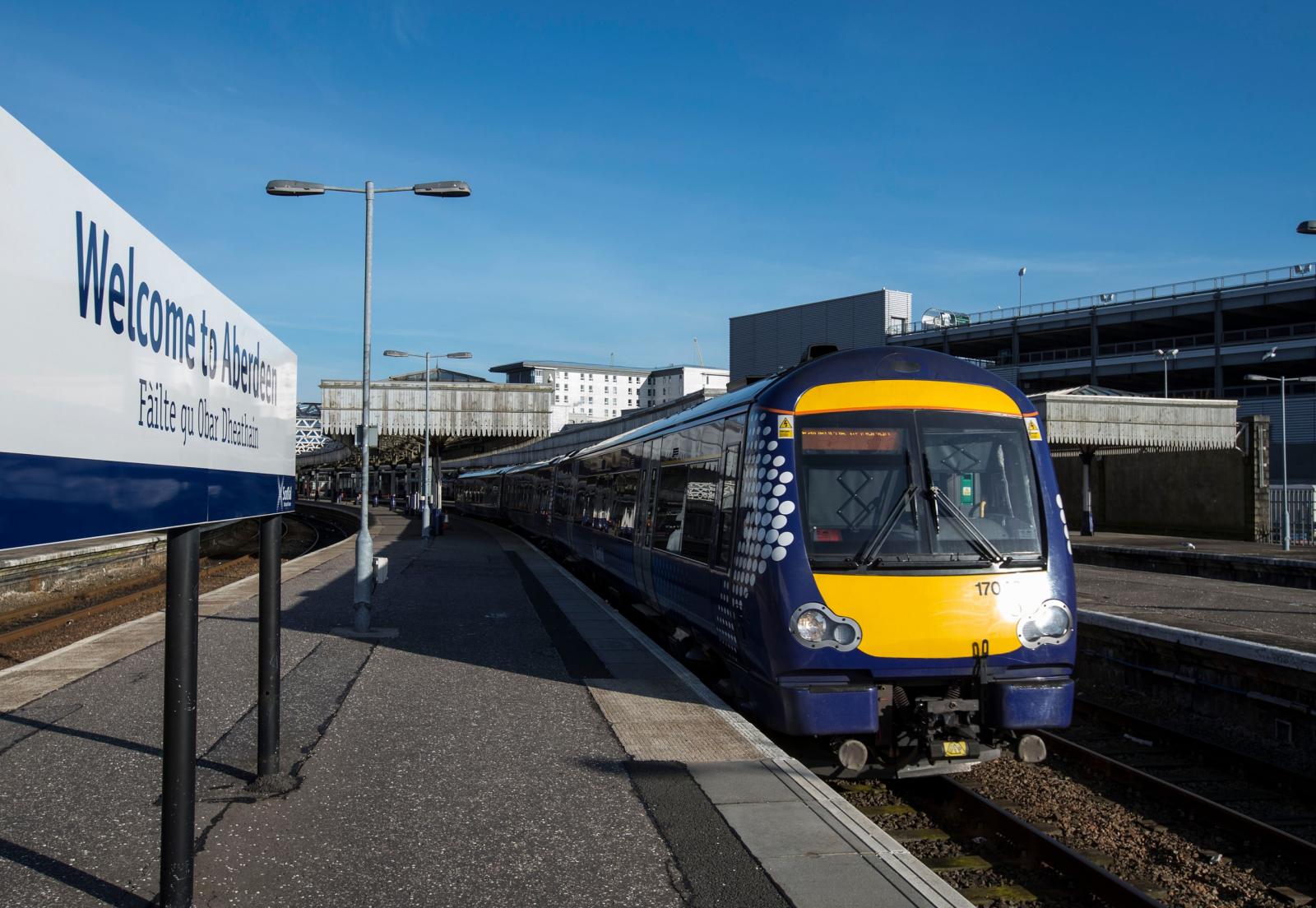

Network Rail is preparing to carry out £3.8 million of essential track improvements at Aberdeen Station—work aimed at strengthening reliability and performance on one of Scotland’s busiest and most operationally significant rail hubs.
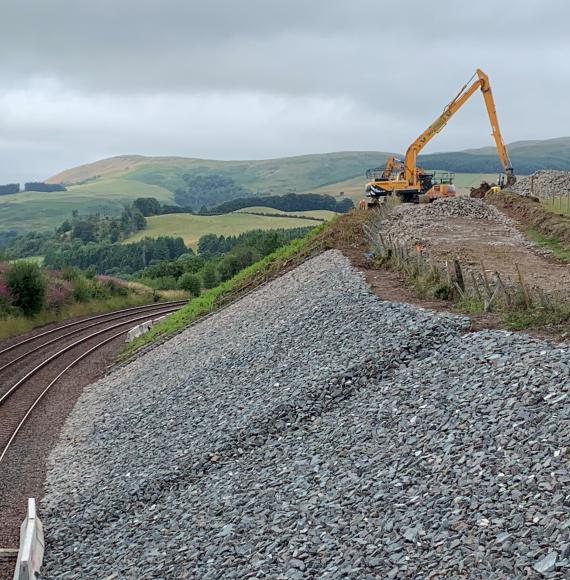
Across three consecutive weekends, beginning Saturday 31 January, engineering teams will renew rail, sleepers and ballast on platforms 3, 4, 6 and 7. The programme also includes upgrading the points and associated equipment that allow trains to move safely and efficiently between lines.
In total, the project will deliver nearly one and a half miles of new rail, supported by approximately 1,500 fresh sleepers and 4,500 tonnes of ballast. The works form part of Network Rail’s wider commitment to improving the resilience and long‑term performance of infrastructure across Scotland.
To ensure the safety of staff and enable teams to work at pace, no passenger services will operate through Aberdeen Station on the following dates:
- Saturday 31 January and Sunday 1 February
- Saturday 7 and Sunday 8 February
- Sunday 15 and Monday 16 February
Network Rail has coordinated closely with train operators to reduce disruption, with alternative travel arrangements now confirmed.
Ross Moran, route director at Network Rail Scotland, said:
“Carrying out this work over a small number of weekends lets us make substantial improvements while keeping disruption to a minimum. By renewing key sections at the station, we’re building in resilience that will support more reliable and smoother journeys.
Mark Ilderton, ScotRail Service Delivery Director, said:
“Aberdeen station is a key gateway for the northeast of Scotland, supporting thousands of journeys every day and connecting communities across the region and beyond.”
“The £8m redevelopment of Aberdeen station in 2022 delivered major improvements for customers and strengthened the station’s role as a key transport interchange. Continued investment in essential track and infrastructure upgrades will help improve performance and provide more reliable journeys.”
Image credit: Network Rail