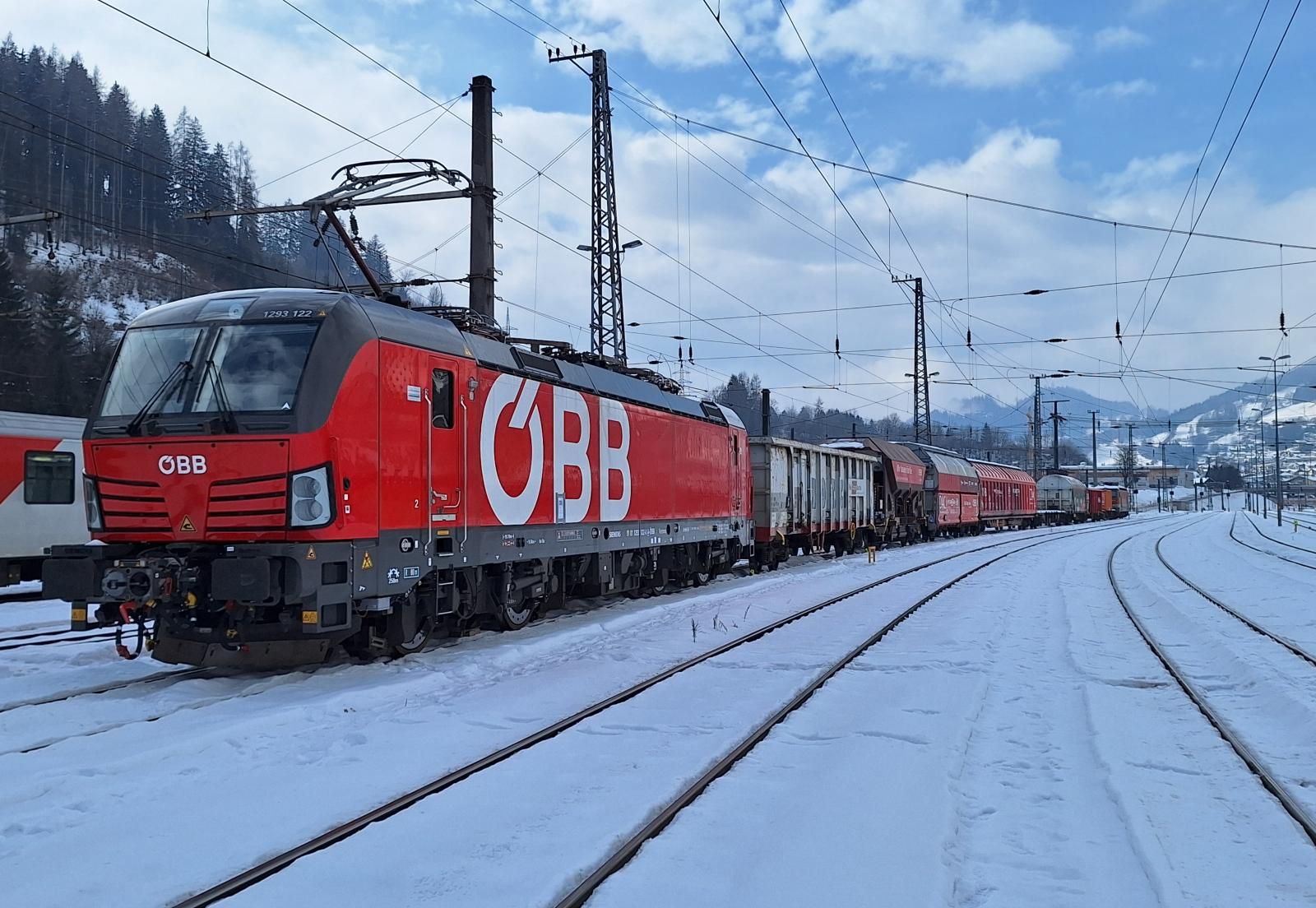

ÖBB Rail Cargo Group (RCG) has taken another decisive step towards transforming European rail freight by successfully advancing the development of the Digital Automatic Coupling (DAC)—a technology widely recognised as essential for the future of rail logistics.
Replacing the century‑old manual screw coupling still used across Europe, DAC automates what has traditionally been a time‑consuming and physically demanding process. Crucially, DAC not only enables automatic mechanical and pneumatic coupling but also introduces continuous power and data connectivity along the entire freight train—laying the groundwork for true digitalisation of rail freight operations.
DAC Demo Train Moves into Real‑World Testing
Following extensive technical preparation and the integration of coupling systems from multiple manufacturers, RCG has deployed its DAC demo train in live operating conditions. The purpose is clear: validate cross‑manufacturer interoperability and ensure that mechanics, electrics and data transmission function seamlessly throughout the train.
By enabling continuous data and energy transfer, DAC will support automated brake testing and eventually unlock a host of advanced digital applications—boosting safety, operational efficiency and competitiveness for freight operators across Europe.
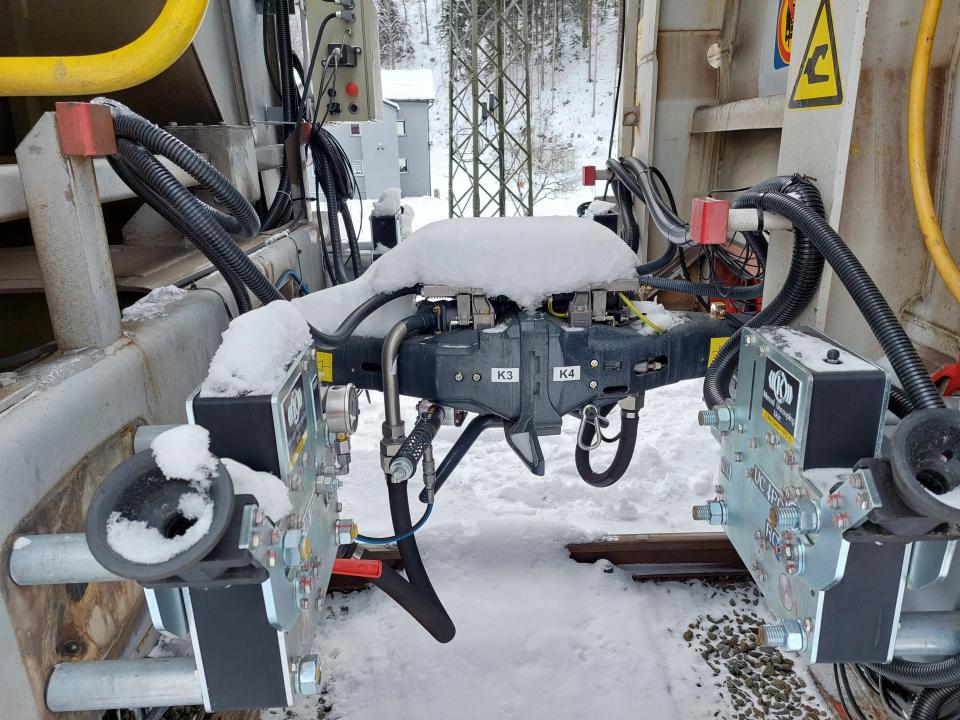
Winter Testing Under Extreme Conditions
To stress‑test the system, RCG subjected the DAC demo train to a rigorous three‑week winter programme in Austria. Temperatures dropped to –15°C, with freezing rain, fresh snowfall and persistent ice—all deliberately chosen to expose any weaknesses.
The team focused on:
- Repeated mechanical coupling and automated electrical uncoupling
- Stability of power and data connections under snow and ice
- Integrity of seals, lubricants and electrical contacts
In Böckstein, the train was left parked for ten days under realistic idle conditions, allowing snow and ice to penetrate critical components—replicating what freight wagons endure during long dwell periods.

Promising Early Results
The initial findings are overwhelmingly positive. Systems demonstrated strong robustness and reliability despite the severe winter environment.
Bettina Castillo, CEO of ÖBB Rail Cargo Group, highlighted the importance of the milestone:
“The tests provide valuable insights for the further development of the technology and confirm that we are on the right track towards a Europe-wide standardised Digital Automatic Coupling. Each individual test series brings us a decisive step closer to a practical and robust solution for European rail freight transport. Close cooperation across Europe and joint implementation of this key technology are crucial to achieving success.”
A European Rail Freight Transformation
DAC is one of the largest innovation programmes in modern European rail freight. As a critical enabler for automation, digitalisation and modal shift to climate-friendly rail, it is central to the EU's future logistics strategy.
ÖBB RCG continues to play a leadership role, contributing operational knowledge, industry insight and practical testing capacity to help establish a unified DAC standard across Europe.
Image credit: OBB