
A multi‑million‑pound upgrade of the Tyne and Wear Metro control room has been successfully completed, equipping the network with some of the most advanced digital control technology currently in use across the UK railway industry.
The £8.8m investment has seen the complete renewal of Metro’s Supervisory Control and Data Acquisition (SCADA) system – a critical platform responsible for monitoring and managing key elements of the network’s infrastructure, including the high‑voltage power supply.
The SCADA system underpins day‑to‑day operations across the Metro, overseeing power distribution alongside fire and intruder alarms, lighting, lifts, escalators and tunnel drainage pumps. The introduction of modern digital technology is expected to significantly improve fault detection and response times, helping to reduce disruption and improve reliability for passengers.
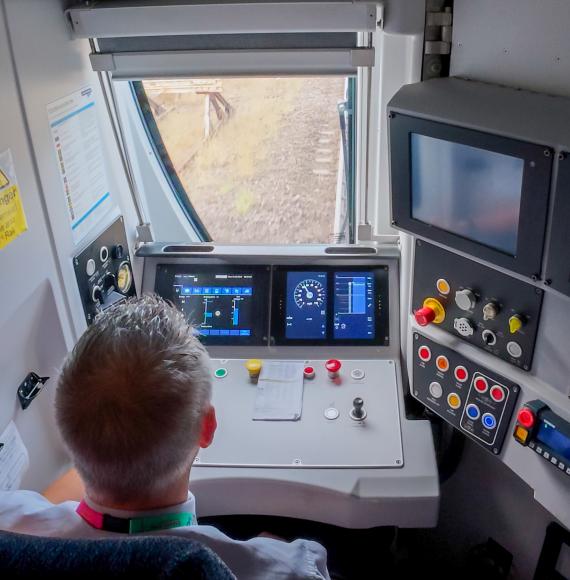
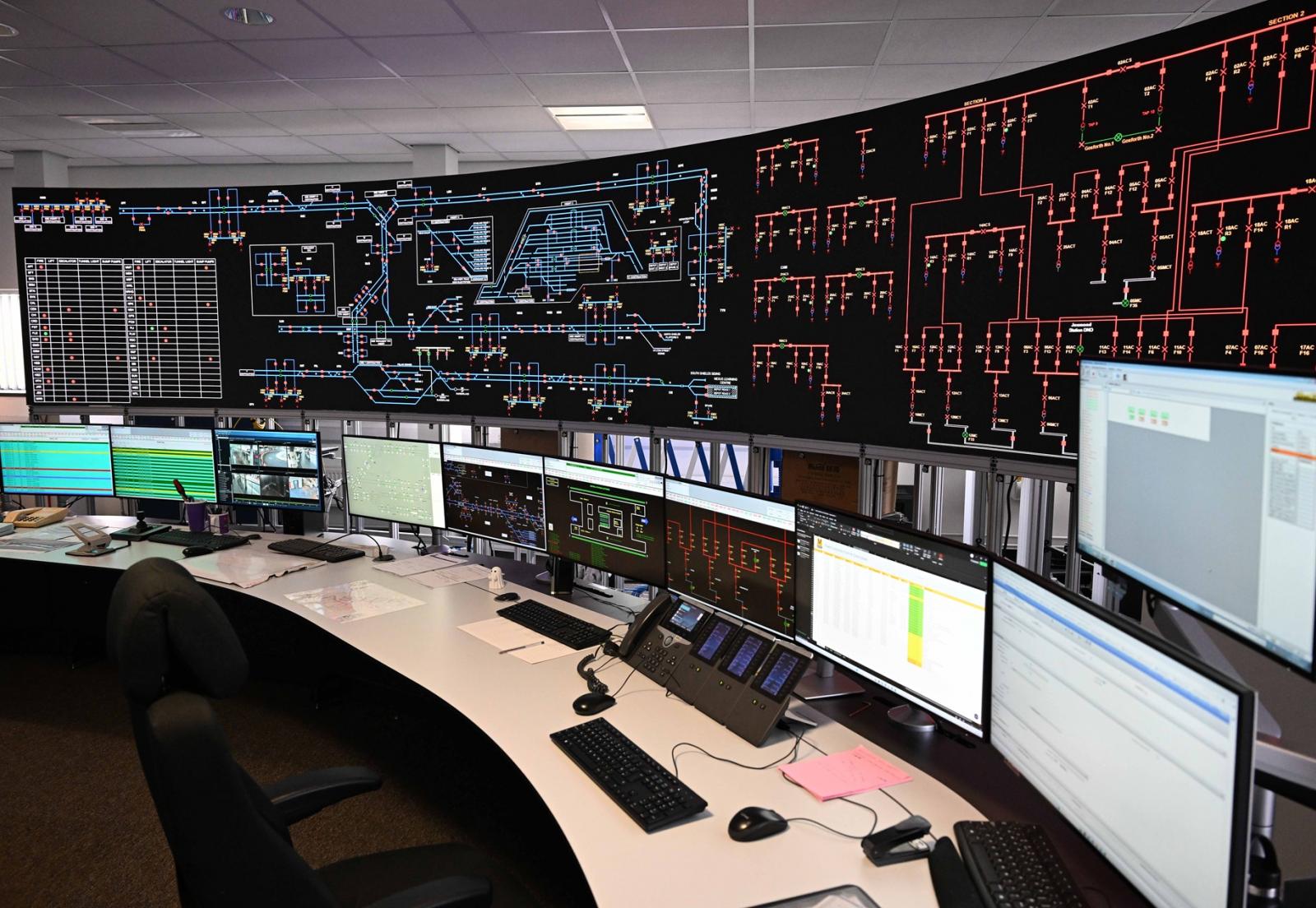
As part of the programme, the upgrade has also enabled a major reconfiguration of the Metro control room itself. The refreshed layout provides additional space for operational teams and introduces a new four‑metre‑wide digital display wall at the power desk, giving controllers enhanced visibility of network conditions in real time.
The project was delivered on behalf of Metro operator Nexus by Sella Controls, working closely with Nexus teams throughout the transition to ensure delivery was efficient and disruption to the travelling public was kept to a minimum.
It represents the most significant control room enhancement since the installation of a £12m computerised signalling control system in 2018, marking another major milestone in the long‑term modernisation of the Tyne and Wear Metro.
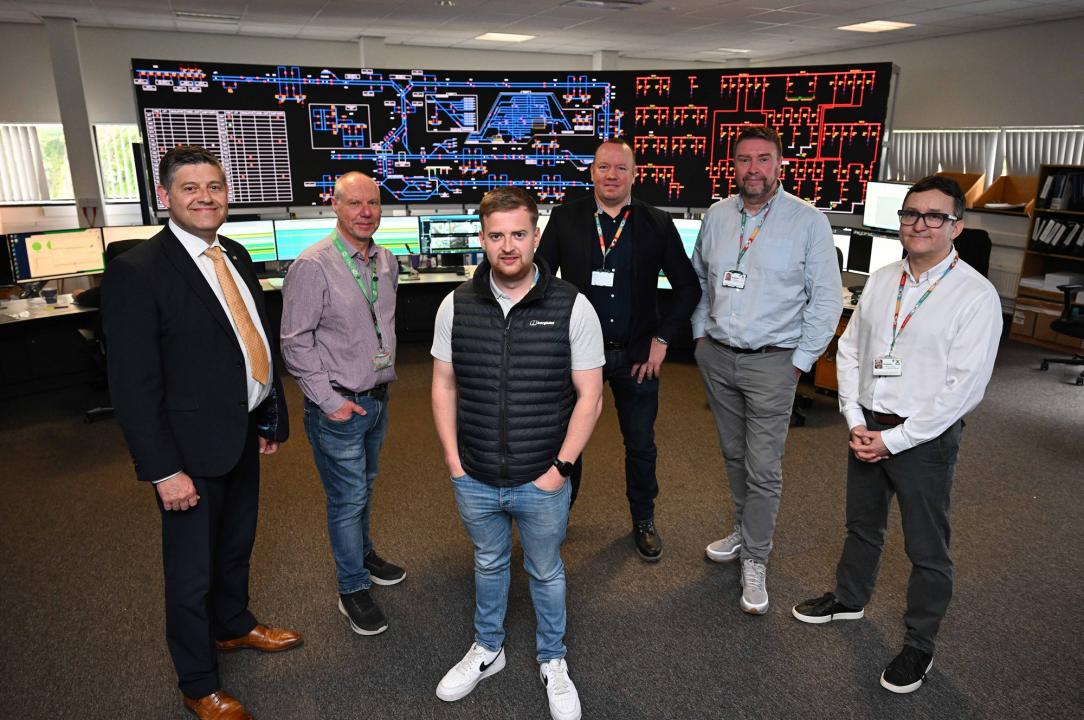
Paul Welford, Major Projects Director at Nexus, said:
“This major upgrade of our control room technology is a vital investment in Metro’s long-term future. I’m delighted to say the project is now complete.
“The new SCADA system transforms how we monitor key assets, including the power supply, and allows us to respond more effectively when issues arise, which means less disruption for customers.
“What we have installed is the very latest digital technology, which is the most advanced currently in use in the UK railway industry. It enables us to remotely manage the high and low voltage power supplies and other key things like lighting, lifts, escalators and fire alarms.
“The project has allowed us to refresh the layout of the Metro control room, introducing a new four-metre-wide bank of digital screens, while creating more space for teams who work there.
“Sella Controls provided us with amazing support during the transition to the new technology.”
Chris Elliott, Sales Director, Global Account Management Rail at Sella Controls, said:
“We recognised very early in the pursuit process what the Nexus team wanted from a delivery partner. We believed our strongest differentiator was our overall engineering competence, experience and proven track record in delivering this type of project, alongside the technical capability of the TrackLink Traction Power Management System.
“I firmly believe we delivered on the commitment we made during the tender assessment process, providing a flexible approach, working in partnership with the client, and executing the project on time and to budget.
“Sella Controls has over a hundred years of combined competence in Traction Power SCADA within the business. This level of knowledge and expertise ensures the successful delivery of this type of control system renewal.”
The new solution makes use of proven SCADA and RTU (Remote Terminal Unit) technology already deployed extensively across the UK mainline rail network. Live data from RTUs is fed into the TrackLink SCADA platform, providing Infrastructure Controllers with a continuous real‑time view of the network and actively calculating live power loads.
This real‑time visibility allows operational staff to see the true state of the network as it changes, enabling faster, more informed decision‑making based on live conditions rather than delayed or incomplete information. Crucially, Metro engineers can now identify developing issues earlier and intervene before they escalate into service‑affecting failures.
Image credits: Nexus