
Rail investment is about far more than cutting journey times. According to transport and city leaders speaking at TransCityRail North 2026, major rail projects have the potential to reshape housing, attract business investment and connect more people with jobs and opportunities across the North of England.
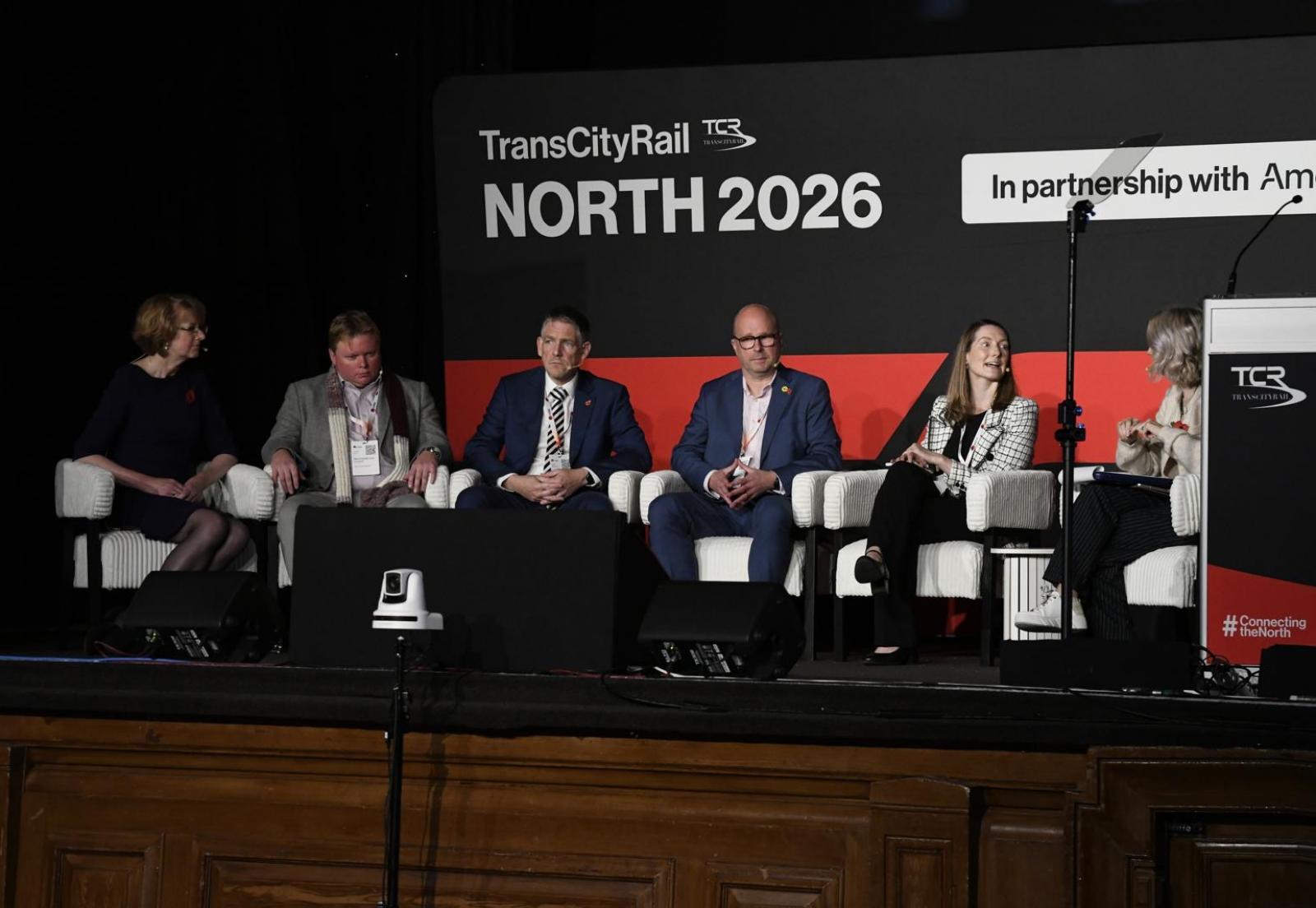
A panel featuring transport and local government leaders examined how rail infrastructure can help create stronger regional economies, while also highlighting the challenges that continue to slow progress.
One of the strongest examples discussed was Bradford's proposed city-centre station, a project viewed as critical to improving connections between the city, Manchester and the wider Northern economic corridor.
Former Bradford Council leader Susan Hinchcliffe explained how the city has spent years making the case for better rail connectivity.
The argument, she said, extends far beyond journey times. Improved links could strengthen Bradford's role within a more integrated Northern economy, helping to attract investment, support local growth and improve access to opportunities for residents.
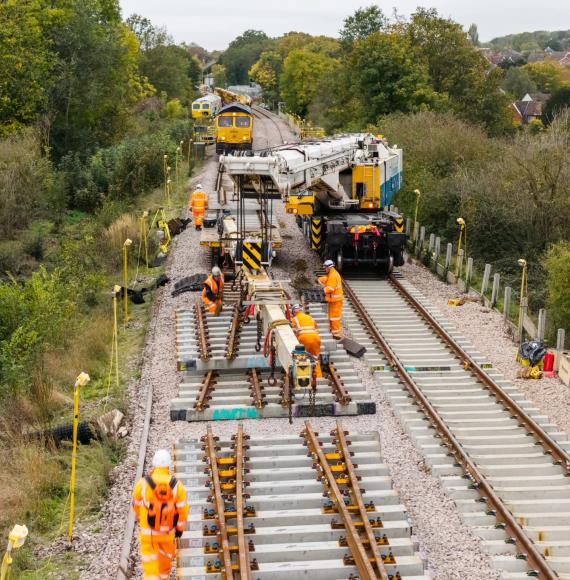
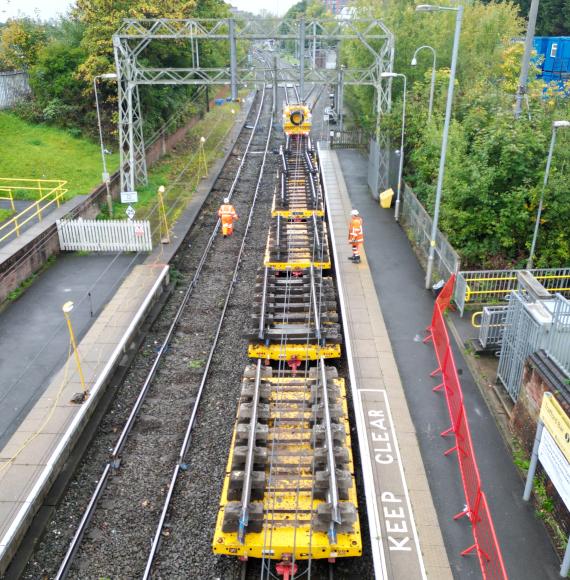
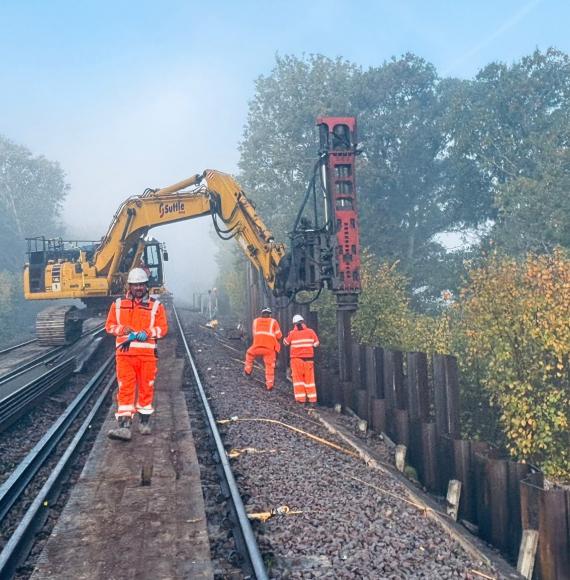
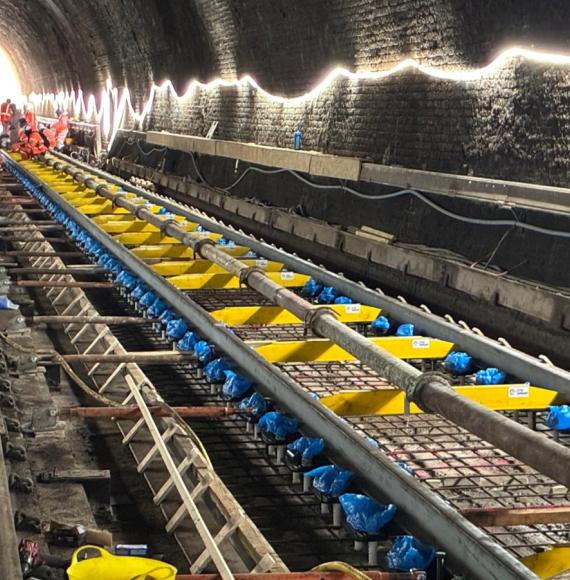
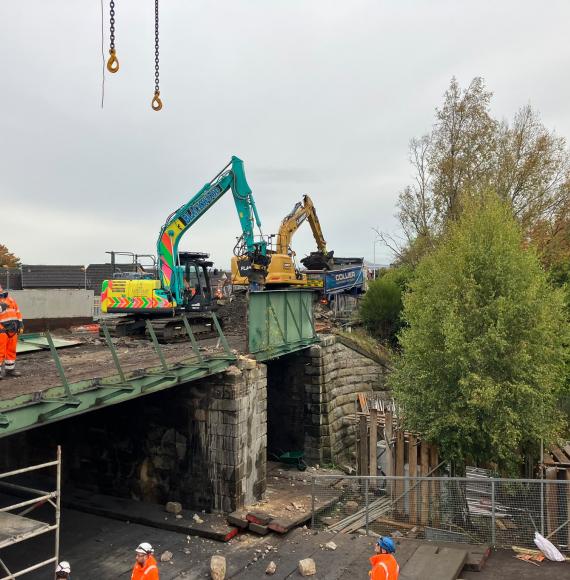
The panel also focused on two of the region's most significant infrastructure programmes: the Transpennine Route Upgrade (TRU) and Northern Powerhouse Rail (NPR).
Both schemes are expected to deliver improvements in capacity, reliability and accessibility while strengthening east-west connections between Northern towns and cities.
Panellists argued that these projects could help the North function more effectively as a connected economic region rather than a collection of individual cities competing against one another for investment and growth.
Manchester's role as the North's transport hub was another major talking point.
City leaders stressed that improving rail infrastructure in and around Manchester is essential to the success of the wider network, allowing passengers and services to move efficiently through the city as well as to it.
The future of Manchester Piccadilly also featured prominently in the discussion.
An underground station option, panellists suggested, could unlock significant development opportunities around the station area, creating space for new homes, commercial developments and employment opportunities.
However, speakers were clear that station development cannot happen in isolation.
The success of major transport investments depends on how effectively rail infrastructure is integrated with the surrounding communities, businesses and public spaces that develop around it.
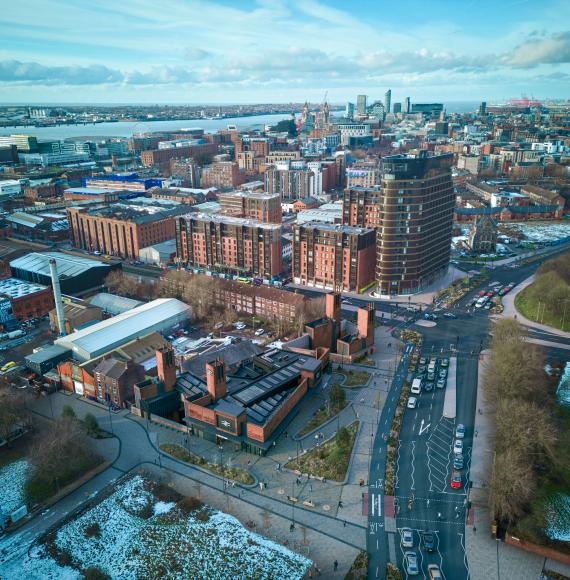
A key theme throughout the session was the importance of transport-led regeneration.
Panellists agreed that building railway infrastructure alone does not automatically create thriving places. Delivering long-term economic and social benefits requires coordinated planning, investment and leadership.
Local authorities and combined authorities must have the resources, expertise and planning powers needed to guide development, align investment and provide confidence for private-sector investors.
Devolution was highlighted as a potential enabler, giving local areas greater control over decision-making and creating clearer pipelines for investment. However, speakers warned that greater responsibilities must be matched by appropriate funding and capability.
Despite widespread optimism about the opportunities rail investment can create, the conversation was also realistic about the barriers facing the sector.
Funding pressures remain significant, while many communities continue to experience unreliable or fragmented public transport networks.
For passengers, this can mean lengthy connection times, inconsistent services and infrastructure that remains vulnerable to disruption.
Major projects must also navigate complex procurement, planning and governance requirements. While these processes provide important oversight and accountability, speakers acknowledged that they can make delivery more challenging and lengthen project timelines.
The message from the panel was clear: investment in rail has the power to transform places, but success depends on ensuring infrastructure projects are planned alongside housing, regeneration and economic development strategies that deliver lasting value for local communities.