
Network Rail completed a programme of engineering activity in just 18 days that could otherwise have required up to six months of weekend railway closures.
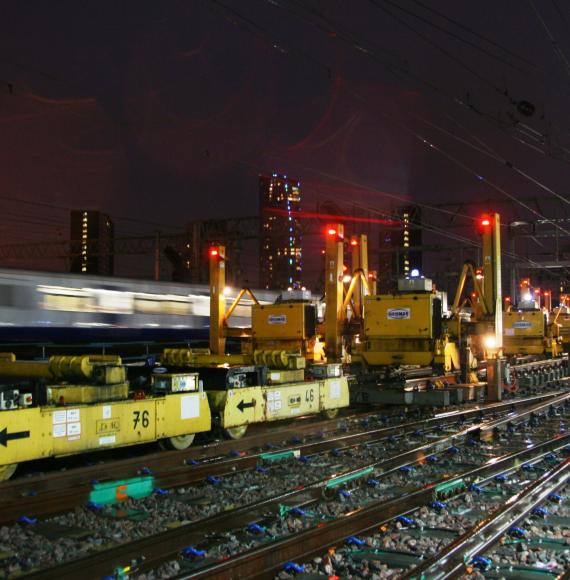
Sections of the Fife Circle Line were closed between 10 and 27 October, allowing engineers to work continuously around the clock on preparations for the introduction of overhead line equipment that will power a new fleet of battery-electric trains.
The intensive blockade enabled multiple major infrastructure projects to be delivered simultaneously, accelerating progress on the wider £311.5 million Scottish Government-backed programme to electrify 118km of railway across Fife.
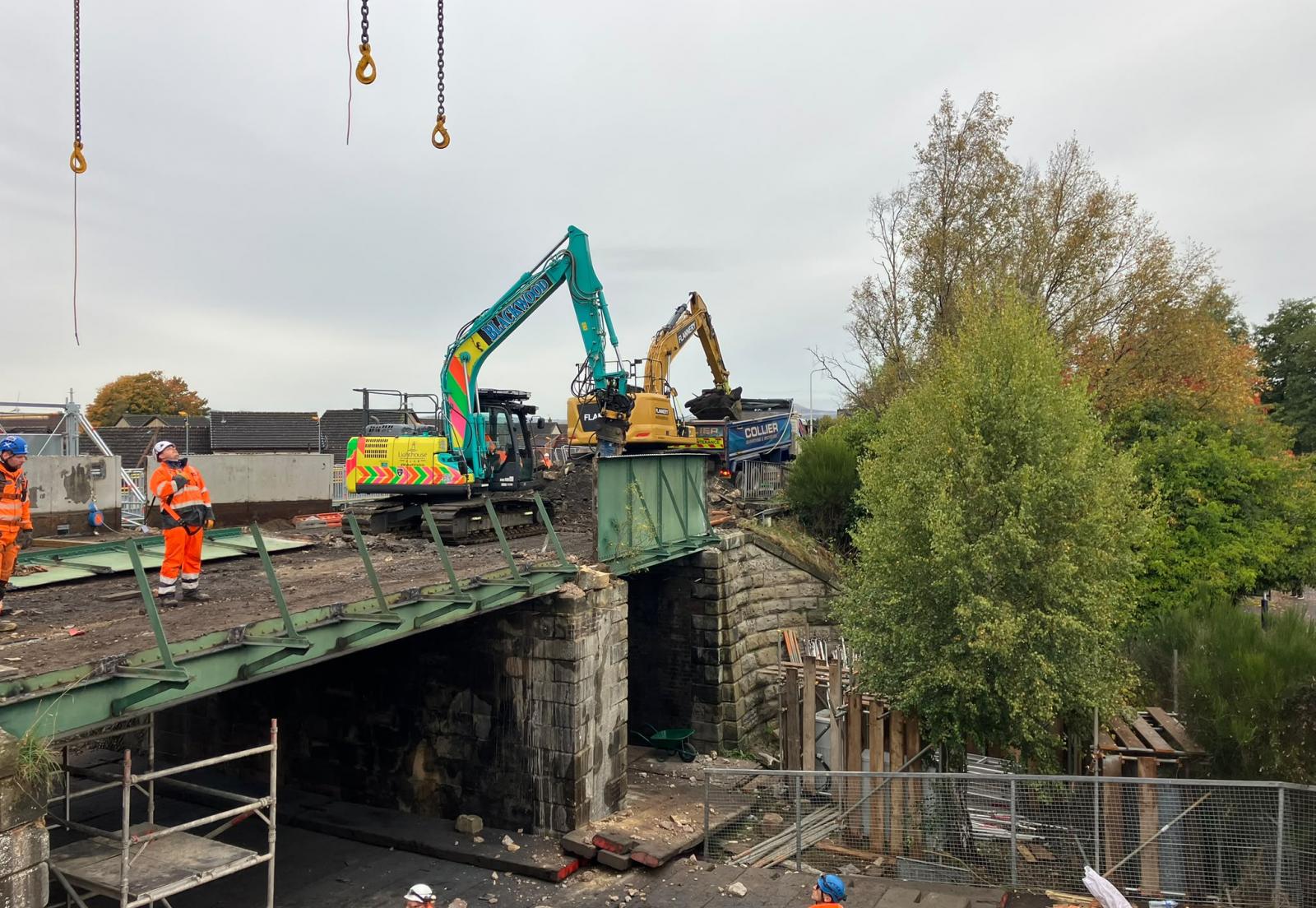
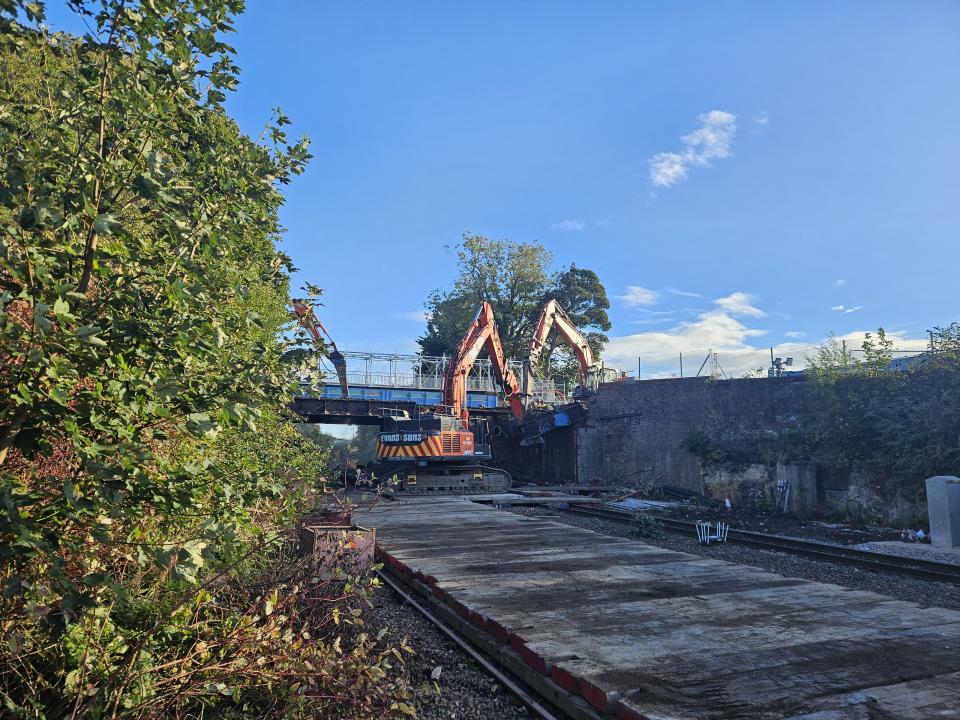
Among the most significant achievements was the demolition of three bridges at Bennochy Road in Kirkcaldy, Muriespot near Coaltown of Balgonie and Main Street in Thornton. Reconstruction work is now underway, with the new structures being built at a greater height to provide sufficient clearance for overhead electric wires. In total, 29 concrete beams were installed as part of the bridge replacement programme.
Engineers also made substantial progress on the electrification infrastructure itself, installing more than 200 foundations and 20 steel structures for future overhead line equipment. A further four new masts were erected on the Levenmouth Rail Link.
Signalling systems across the route also received major upgrades. Around Burntisland, teams replaced 26 ageing pieces of signalling equipment, while additional improvements were completed between North Queensferry and Kirkcaldy to support future railway operations.
Elsewhere, more than 209,000 square metres of lineside vegetation was removed to improve railway resilience and facilitate the electrification programme. Platform modifications were also carried out at Cardenden station.
By carrying out the work during a single extended closure, Network Rail significantly reduced the oveRTM Fiferall period of disruption compared with undertaking the programme during a succession of weekend possessions.
Michael McArthur, project manager at Network Rail Scotland, said:
“It’s been an incredibly busy 18 days, and our teams have done a fantastic job delivering such a huge amount of work, including working through Storm Boelo and other spells of difficult weather.”
“Having the railway closed gave us the chance to do several big jobs at once rather than returning over a series of weekends. That has helped us make real progress towards bringing battery-electric trains to Fife.
“We know closing the railway has meant disruption for passengers and communities, and we’re grateful for their patience while this work has taken place.
“There’s a lot more still to do, but what’s been achieved over these 18 days brings us another step closer to a quieter, greener and more reliable railway for Fife.”
The electrification project will ultimately support the introduction of battery-electric rolling stock, reducing dependence on diesel traction while improving reliability, sustainability and passenger comfort across the region's railway network.
Image credit: Network Rail