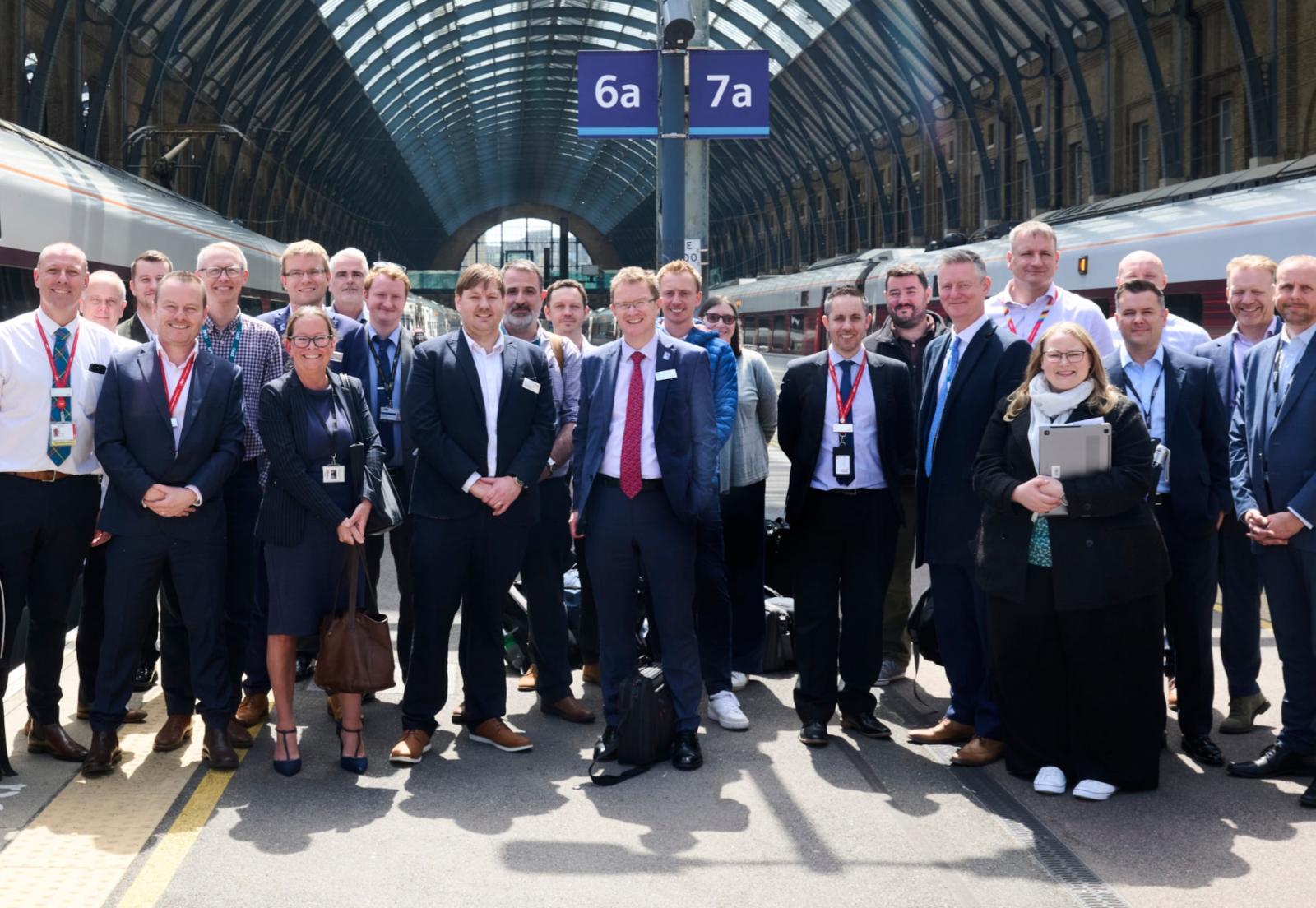

Passengers travelling on the East Coast Main Line (ECML) are set to benefit from improved punctuality and more reliable journeys under a new joint performance plan developed by Network Rail and LNER.
The programme, delivered through the East Coast Partnership, outlines more than 60 initiatives aimed at reducing delays and strengthening day-to-day operations across one of the UK’s busiest rail corridors. Measures include new platforms, enhanced signalling systems, and the deployment of smart technology capable of identifying faults in overhead line equipment before they cause disruption.
A ‘whole system’ approach to performance
At the heart of the plan is a “whole system” approach, bringing together infrastructure, train operations and performance management into a single, co-ordinated strategy. The move reflects the industry’s shift towards closer integration ahead of Great British Railways, with a sharper focus on aligning track and train to improve decision-making and response times.
This integrated model is designed to minimise disruption, improve resilience, and deliver a more consistent passenger experience.
Early progress already delivering results
The partnership reports that several initiatives are already yielding tangible benefits for passengers and operators alike:
- Darlington station upgrades: Two new platforms and improved signalling are supporting smoother and more flexible operations
- Timetable improvements: A revised timetable introduced in December 2025 has increased LNER services by 20%
- Targeted infrastructure investment: Works at key locations such as Durham Viaduct, funded through a joint performance fund, are helping reduce disruption from trespass incidents
- Flood resilience: CCTV-based flood monitoring at vulnerable sites has contributed to zero major flood-related disruption on the route for the past 18 months
- Wildlife mitigation: Additional deer fencing and deterrent measures are reducing delays caused by animal strikes
- Predictive maintenance technology: Smart systems analysing train and infrastructure data are enabling earlier detection of faults, including issues with overhead line equipment and track condition
Clear targets for improving performance
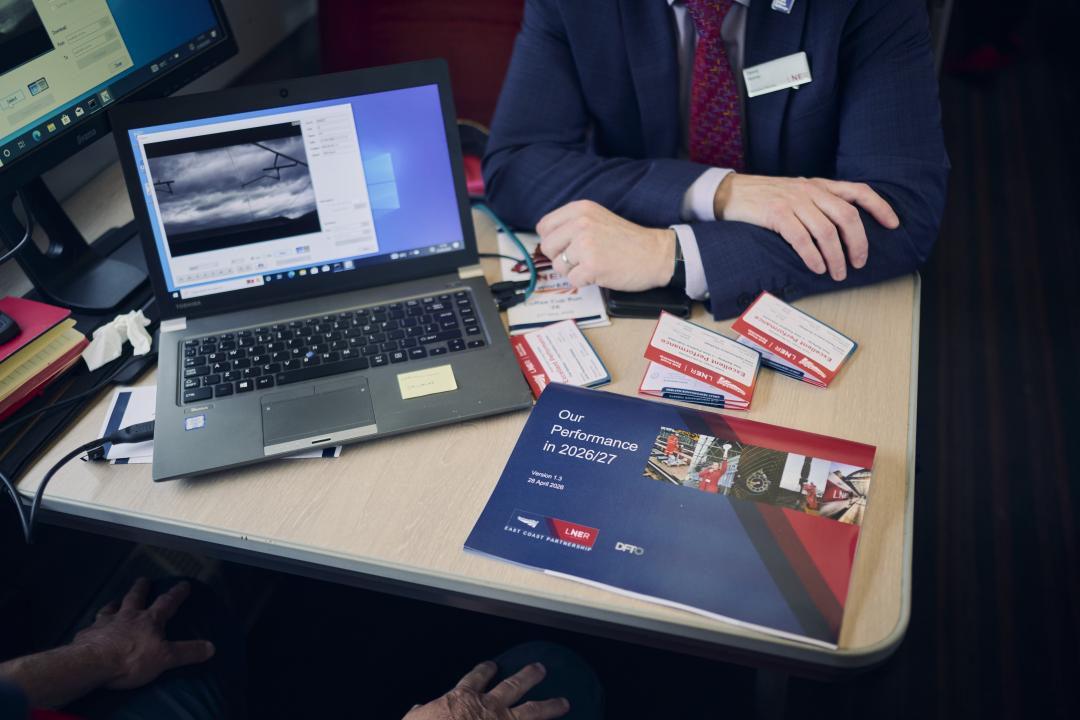
The plan also introduces specific, measurable performance targets agreed between LNER, Network Rail, the Department for Transport, DFTO and the Office of Rail and Road. These include:
- At least 67% of LNER services arriving within three minutes of schedule at all stations
- Cancellations limited to no more than 3.6% of services
Industry collaboration key to success
John Grainger, joint head of performance at Network Rail and LNER, emphasised the importance of cross-industry alignment:
“Excellent operational performance comes from how we work together across the whole railway system. By aligning our teams and priorities, we’re building a more reliable and resilient railway. This joined-up approach means we continue to work to further reduce delays, improve punctuality and deliver a better experience for our customers.”
Moving towards a more integrated railway
The East Coast Partnership’s latest plan demonstrates how closer collaboration between operators and infrastructure managers can deliver measurable improvements for passengers. As the rail sector moves towards greater integration under Great British Railways, initiatives such as these are likely to become central to driving performance gains across the wider network.
Image credits: LNER