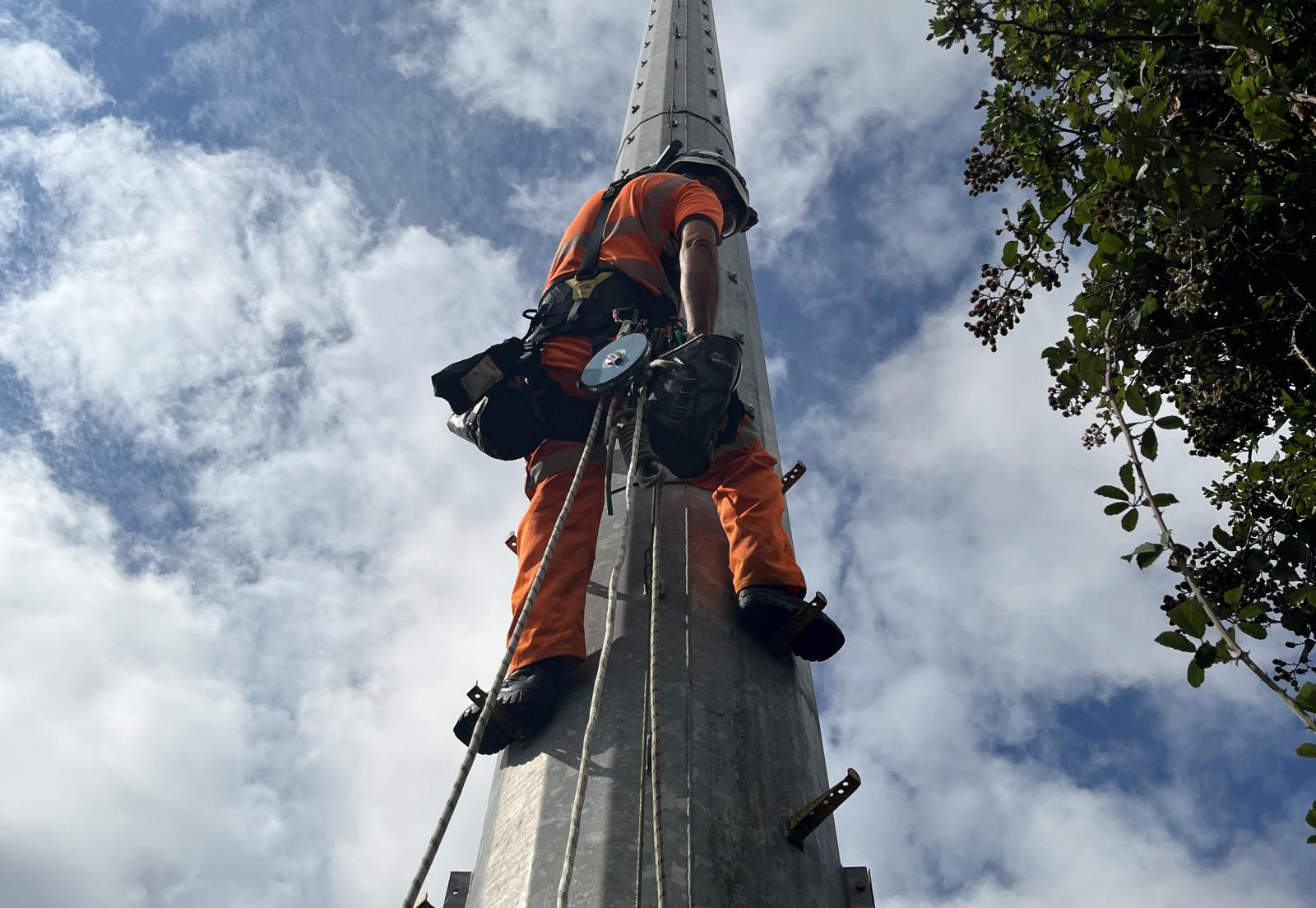

Network Rail’s Wales and Borders route has become the first region in the organisation to install dedicated weather monitoring stations on existing GSM-R railway communication masts, giving operational teams access to real-time local weather data to help manage the growing impact of severe weather on the railway.
Ten weather stations have now been deployed across the route, collecting detailed information on rainfall, wind speed and direction, temperature, humidity and atmospheric pressure directly from railway locations.
The initiative follows a series of major weather events that have caused significant disruption and financial impact across the network. Between February 2023 and January 2026, the Wales and Borders route was affected by 25 named storms. Where full performance data is available, each storm resulted in an average of more than 38 hours of train delays and around £179,000 in train performance costs.
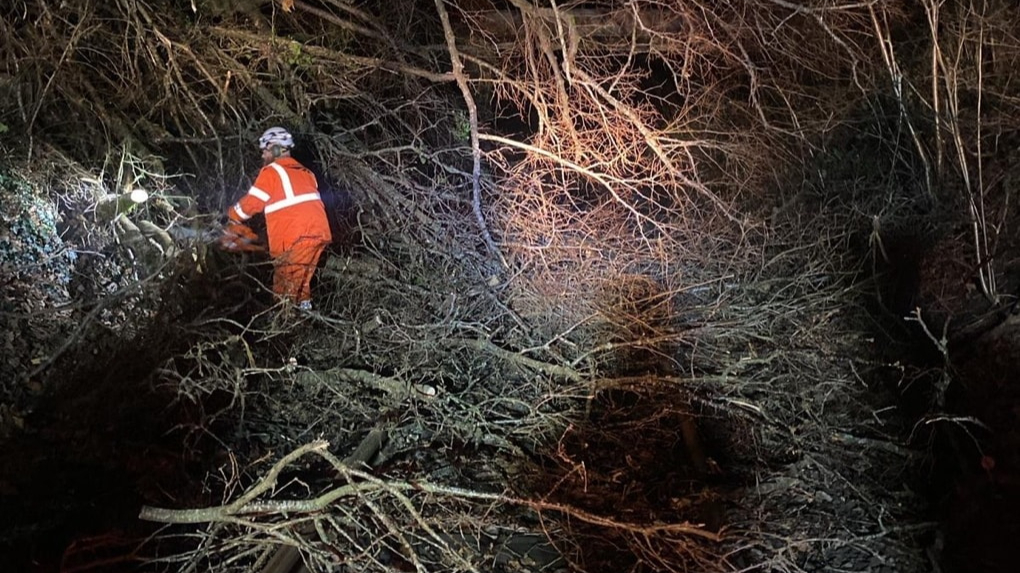
One of the most damaging weather events was Storm Darragh, which struck Wales on 6 and 7 December 2024. Wind speeds reached 93mph at Capel Curig, while fallen trees and debris caused widespread disruption to rail services across the country. The storm ultimately cost the railway £1.3 million.
The investment comes as forecasters warn of an increased likelihood of wetter and windier conditions throughout late autumn and early winter, raising the importance of accurate local weather intelligence.
Strategic Locations Across the Route
The new weather stations have been installed at:
- Whitland
- Llantwit
- Cilmeri
- St George’s
- Trewyn
- Craven Arms
- Gobowen
- Glantwymyn
- Llanrwst
- Buckley
These sites were specifically selected to close gaps in existing weather monitoring coverage and improve visibility in locations known to be vulnerable to adverse weather conditions.
Network Rail already works closely with weather forecasting specialist MetDesk to monitor developing weather systems. The addition of locally sourced railway weather data will provide operational teams with a more accurate picture of conditions on the ground, helping improve decision-making during severe weather events.
By mounting the equipment on existing GSM-R communication masts, Network Rail has avoided the cost and complexity associated with constructing standalone weather monitoring infrastructure while benefitting from the elevated position required for accurate observations.
Supporting Smarter Operational Decisions
The weather stations will also support improvements in forecasting accuracy by providing additional data to MetDesk. Network Rail expects the information to help refine operational weather thresholds and provide greater certainty about when and where extreme conditions could affect railway operations.
This enhanced visibility could enable more targeted responses, including:
- Earlier deployment of frontline teams
- Focused inspections of vulnerable assets
- Better-informed decisions on temporary speed restrictions
- Reduced unnecessary disruption to passengers and freight operators
Industry Response
Dan Booth, Head of Operational Weather Strategy at Network Rail, said:
“Autumn is always one of the most challenging periods of the year for the railway, and a huge amount of preparation goes into reducing the impact on passengers and freight customers.
“On the Wales and Borders route, we’re always looking at how new technology can help us better understand and respond to the challenges our railway faces. These new weather stations are a great example of that, giving our teams access to more accurate, localised information about conditions on the ground.
“By learning from events like Storm Darragh and working closely with our weather forecasting partners, we can make better-informed decisions, respond earlier to changing conditions and ultimately help keep the railway running safely and reliably.”
Wider Autumn Resilience Programme
The weather station programme forms part of Network Rail’s wider autumn and winter resilience strategy across Wales and Borders.
This year, four specialist railhead treatment trains will cover more than 54,400 miles of track to combat low adhesion caused by leaf fall. The route has also benefited from targeted drainage improvements at known flood-risk locations and increased vegetation management activity aimed at reducing the threat posed by falling trees and branches.
In addition, 10 dedicated Autumn Response Teams are on standby to react quickly to changing weather conditions and minimise disruption to railway operations.
As climate-related weather events become more frequent and intense, the deployment of real-time weather monitoring technology represents another step forward in helping the railway predict, prepare for and respond to challenging operating conditions.
Image credits: Network Rail