
Network Rail and train operators across the West Midlands and Chiltern Main Line have unveiled extensive preparations to tackle autumn leaf fall and increasingly severe weather, including a £39 million investment in drainage and earthworks designed to improve resilience across the railway.
With forecasters warning that a strong El Niño weather pattern could bring periods of heavy rain and high winds, rail teams have spent more than a year planning and investing in measures aimed at keeping passengers and freight moving safely and reliably.
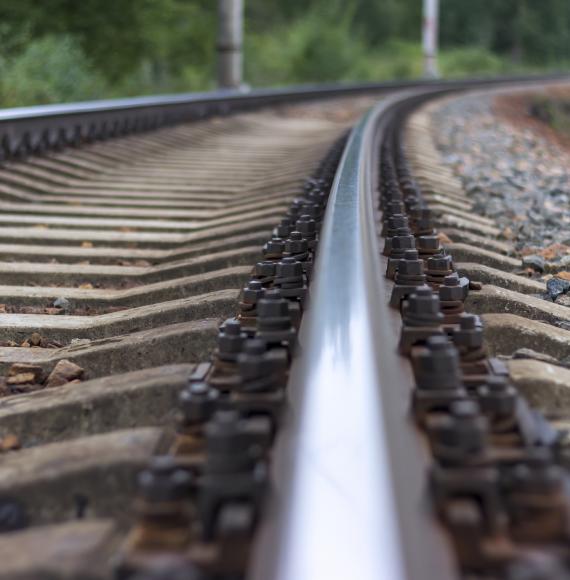
While leaves on the line remain one of the railway's most well-known autumn challenges, the issue can have a significant impact on train performance. When leaves are crushed onto rails by passing trains, they form a slippery coating that reduces grip, affecting braking and acceleration in a similar way to black ice on the roads.
To combat the problem, Network Rail and train operators have introduced a range of initiatives across the region.
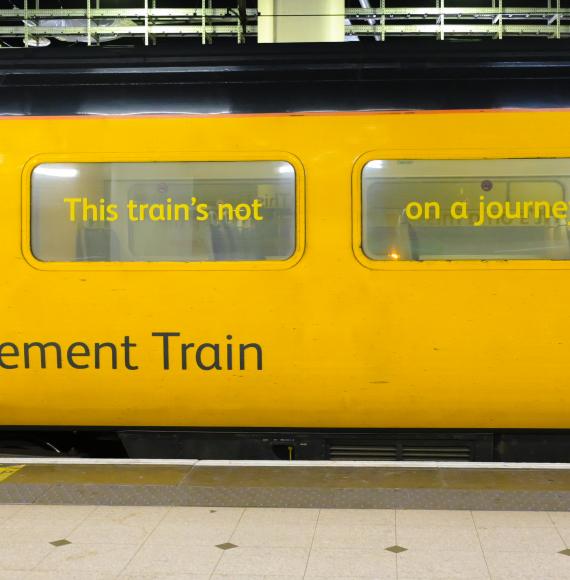
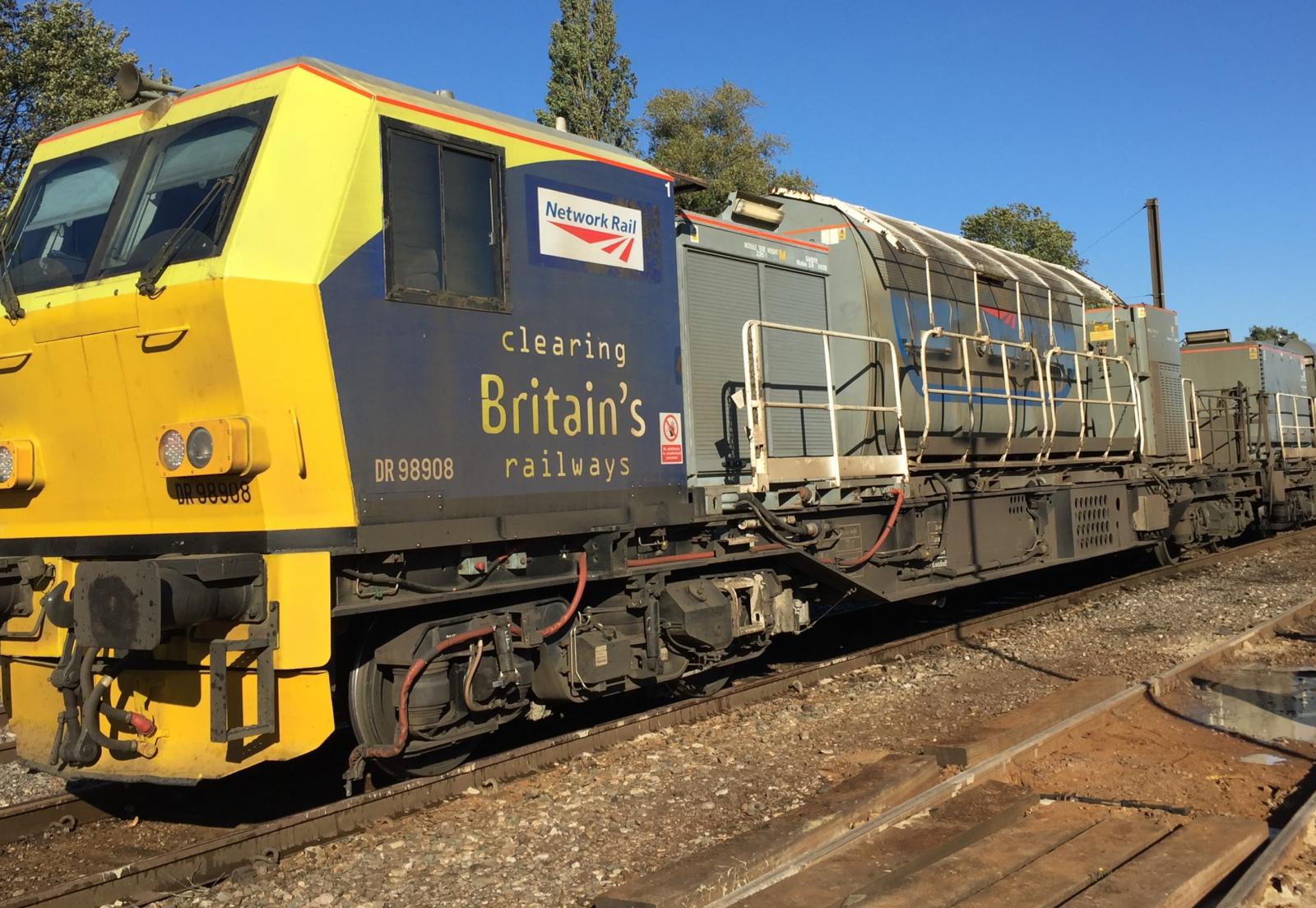
A specialist railhead treatment train will travel almost 100,000 miles across the West Midlands and surrounding areas this autumn, using around 500,000 litres of water to blast compressed leaf residue from the rails. The train's water jets operate at such high pressure that they could cut through steel rails if directed at one point while stationary.
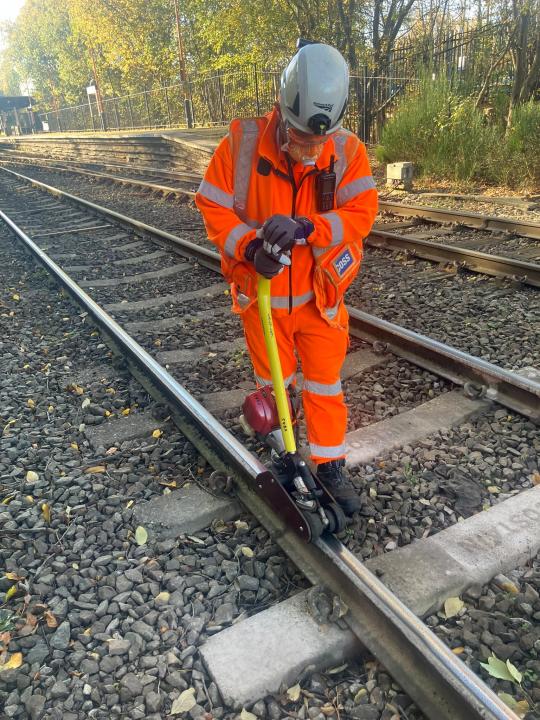
The industry is also trialling a new rail-cleaning product, Interflon Clean OTR, at known leaf-fall hotspots to remove contamination and reduce the likelihood of repeated build-up.
Meanwhile, West Midlands Railway is making use of technology on its newest fleets, the Class 730 and Class 196 trains, which can detect wheel slip more accurately and automatically deploy sand directly in front of the wheels to improve adhesion. The Class 730 fleet also uses advanced traction technology to spread power across wheels throughout the train, helping maintain grip in low-adhesion conditions.
On the Chiltern network, journey times between Aylesbury Vale Parkway and Rickmansworth have been adjusted by three minutes to accommodate a 40mph speed restriction between Mantles Wood and Rickmansworth. The measure is designed to reduce wheel slip and ensure signalling systems continue to detect trains correctly.
Alongside tackling seasonal leaf fall, Network Rail has continued a major programme of infrastructure investment to strengthen the railway against extreme weather.
Over the past three years, more than £39 million has been invested in drainage and earthwork improvements across the West Midlands and Chiltern routes. The work has included clearing more than 39,000 metres of drainage, carrying out major drainage upgrades at over 50 locations, improving flood resilience at Wellington station and strengthening embankments at Bicester North, Launton, Bicester South and Fenny Compton.
The railway has also invested in innovative inflatable flood-storage tubes capable of holding up to 8,000 litres of water. The tubes can be deployed at locations vulnerable to flooding, allowing excess water to be stored and released safely when conditions improve.
In addition, embankment monitoring systems have been installed at 58 locations to alert engineers to any movement that could present a risk to railway operations.
Denise Wetton, integrated managing director for GBR West Midlands, said:
"Our priority is to keep passengers and freight moving safely and reliably this autumn. Leaves and fallen trees pose a major risk on the railway, so teams looking after the tracks and trains are working closely together to be ready for these challenges.
"We have invested heavily to strengthen our weather resilience and put the railway in the best place to deal with extreme wind and rain. It’s also how we respond to challenges when they arise, and this has been a major focus across the industry so we can react quickly when disruption happens and get passengers and services moving again."
Richard Denney, route infrastructure engineer, said:
"Much of our preparation happens away from passengers’ view, but it makes a real difference to the railway they rely on. Clearing and upgrading drainage helps water flow away from the tracks, while strengthening embankments helps protect the railway during heavy rain. These improvements are about reducing the risk of disruption and keeping passengers and freight moving safely."
Passengers are being advised to check before travelling throughout the autumn and winter period, particularly if severe weather conditions develop. Rail operators have warned that timetables may need to be altered at short notice to minimise disruption and maintain safe operations.
Image credits: Network Rail