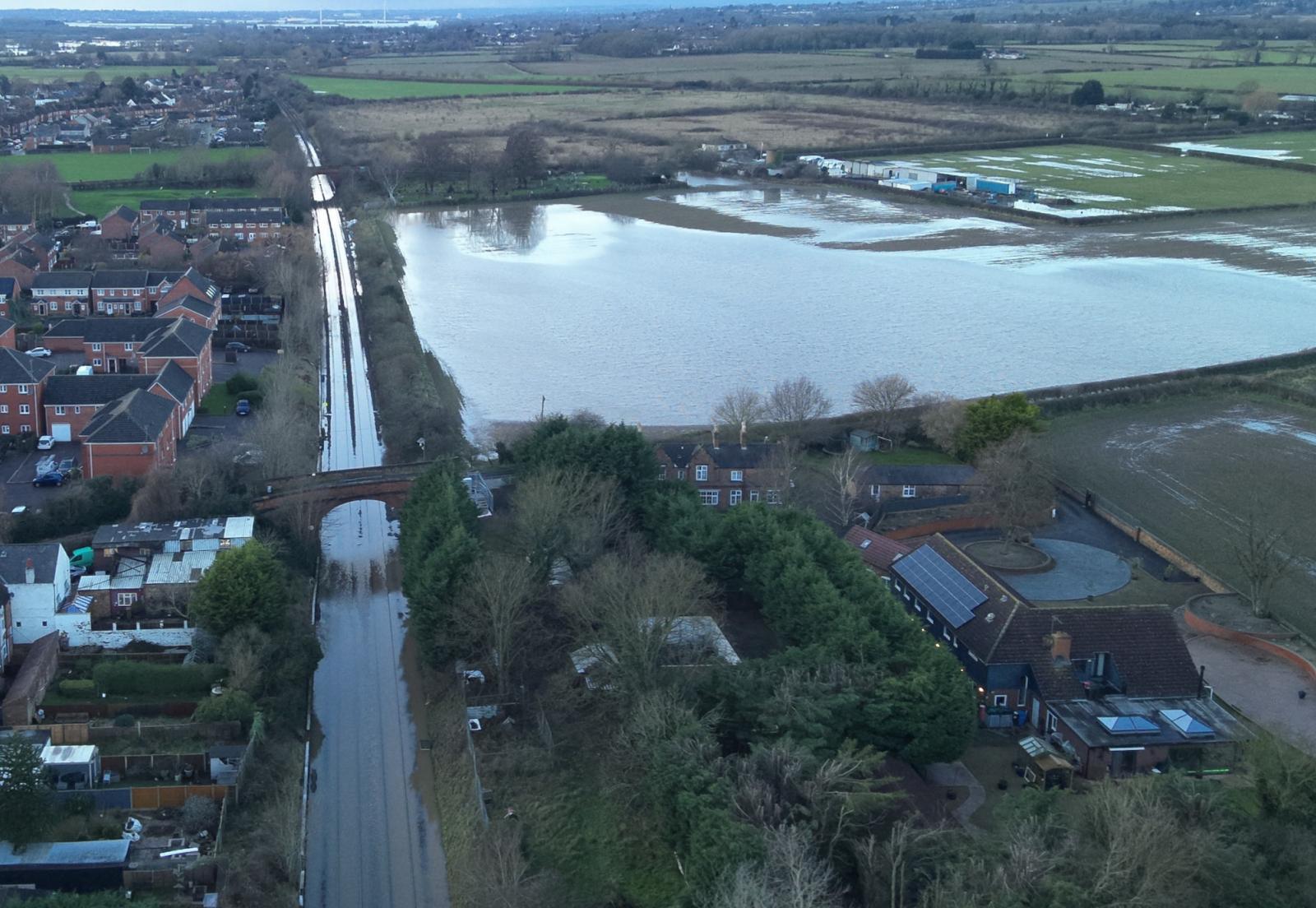

Network Rail has completed a major programme of resilience improvements at one of the East Midlands' most flood-prone railway locations, significantly reducing the risk of disruption on the Midland Main Line at Draycott in Derbyshire.
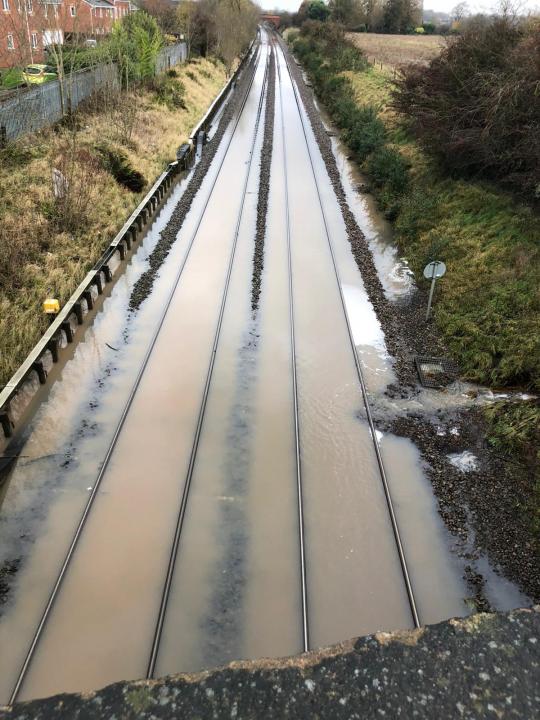
For more than half a century, flooding has posed a persistent challenge at Draycott, regularly impacting rail services between the East Midlands and beyond. The issue came into sharp focus during the severe weather of autumn and winter 2023/24, when Storms Babet and Henk caused widespread disruption. The flooding led to delays affecting 983 trains and generated more than £1.5 million in train delay costs.
In response, Network Rail has invested more than £800,000 in a series of targeted interventions designed to improve the railway's ability to cope with extreme weather conditions.
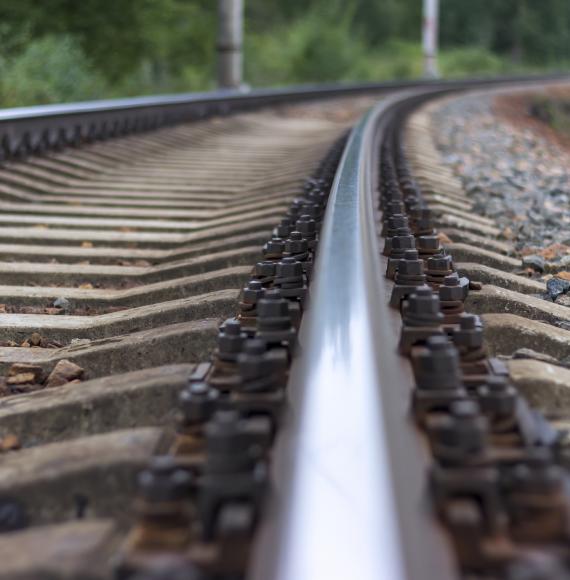
Among the improvements, engineers have raised a vulnerable section of track by six centimetres, installed permanent pumping systems, carried out drainage repairs and clearance works, and introduced water level sensors that provide earlier warning of potential flooding.
The infrastructure upgrades are being supported by new technology that allows control teams to monitor conditions in real time. Cameras, rainfall data, river level information and water monitoring systems are now integrated to provide a clearer understanding of conditions at the site. This intelligence enables teams to take preventative action, including activating pumps before forecast heavy rainfall arrives.
The combined measures are intended to move the railway away from a reactive response to flooding and towards a more proactive approach, helping to maintain safe operations and minimise disruption for passengers and freight customers.
The last major flooding incident at Draycott occurred during the severe weather experienced in autumn and winter 2023/24. Since then, the enhanced resilience measures and revised operational arrangements have helped trains continue operating through periods of heavy rainfall.
Long-Term Commitment to Flood Resilience
Nick Taylor, Route Infrastructure Engineer, Network Rail’s East Midlands Route, said:
“Anyone who has seen the pictures of Draycott under water will understand the challenge our teams face here.
“We can’t control the weather and we can’t promise the railway will never flood. What we can do is make it much more resilient and give our people better information, better equipment and a clear plan to respond when heavy rain arrives.
“At Draycott we’ve brought all of those things together. We’ve improved drainage, lifted a vulnerable section of track and introduced technology that helps us understand what is happening as water levels rise.
“This isn’t about one single solution. It’s about making practical improvements which, taken together, give us a much better chance of keeping trains moving safely when the weather is at its worst.
“There’s more to do, but Draycott is a really good example of the work happening across the East Midlands to make our railway better able to cope with increasingly challenging weather.“
Draycott presents a particularly complex engineering challenge. Flooding is not simply caused by heavy rainfall directly over the railway. Water drains towards the line from surrounding land, while high river levels in the nearby River Derwent and saturated ground conditions can overwhelm existing drainage systems.
Looking ahead, Network Rail has committed to a further £5 million investment in the area. A major drainage renewal project is scheduled for summer 2027, with the railway through Draycott expected to close between 28 August and 7 September 2027 to enable the work to be completed safely and efficiently.
Passengers are being encouraged to note the closure dates now, with detailed travel information and alternative transport arrangements expected to be published closer to the works.
Paul Barnfield, Operations Director at East Midlands Railway, said:
“The track near Draycott has been a challenging part of our network for many years, with flooding leading to services being cancelled or delayed.
“The vital investment by Network Rail in this area has made a significant difference, improving resilience and providing greater certainty for our customers as we approach the usual seasonal challenges that autumn and winter bring.”
Preparing the Railway for Autumn and Winter
The work at Draycott forms part of wider seasonal preparations across the East Midlands rail network. As autumn and winter approach, railway teams are undertaking drainage inspections, vegetation management, infrastructure monitoring and operational planning to reduce the impact of severe weather and maintain safe, reliable services for passengers and freight operators.
With climate-related weather events becoming more frequent and intense, projects such as those at Draycott are increasingly seen as vital investments in the long-term resilience of Britain's railway infrastructure.
Image credits: Network Rail