Train operators in public ownership have highlighted a series of stations experiencing significant passenger growth, according to the latest ORR station usage statistics—with new infrastructure, housing developments and station upgrades driving increases across the country.
Southeastern: Thanet Parkway Becomes Fastest-Growing Station
Southeastern reported particularly strong performance in Kent, where Thanet Parkway, opened in 2023, emerged as the operator’s fastest‑growing station. Passenger entries and exits more than doubled year‑on‑year—up 116% to over 123,000.
The rapid rise in demand reflects the goals behind the investment: supporting new housing, improving access to employment, and boosting leisure and tourism connections across East Kent.
Alicia Andrews, Southeastern’s commercial director, said:
“The strong growth we’re seeing across the network is hugely encouraging.”
“Thanet Parkway’s extraordinary performance and the continued recovery at smaller stations illustrate the positive impact of our investment in new trains, updated stations and better services.
“Our focus is on delivering great journeys for every customer, whether they’re commuting, studying or travelling for leisure, and we’ll keep investing to make our railway even better.”**
c2c: West Horndon Leads with 36% Growth
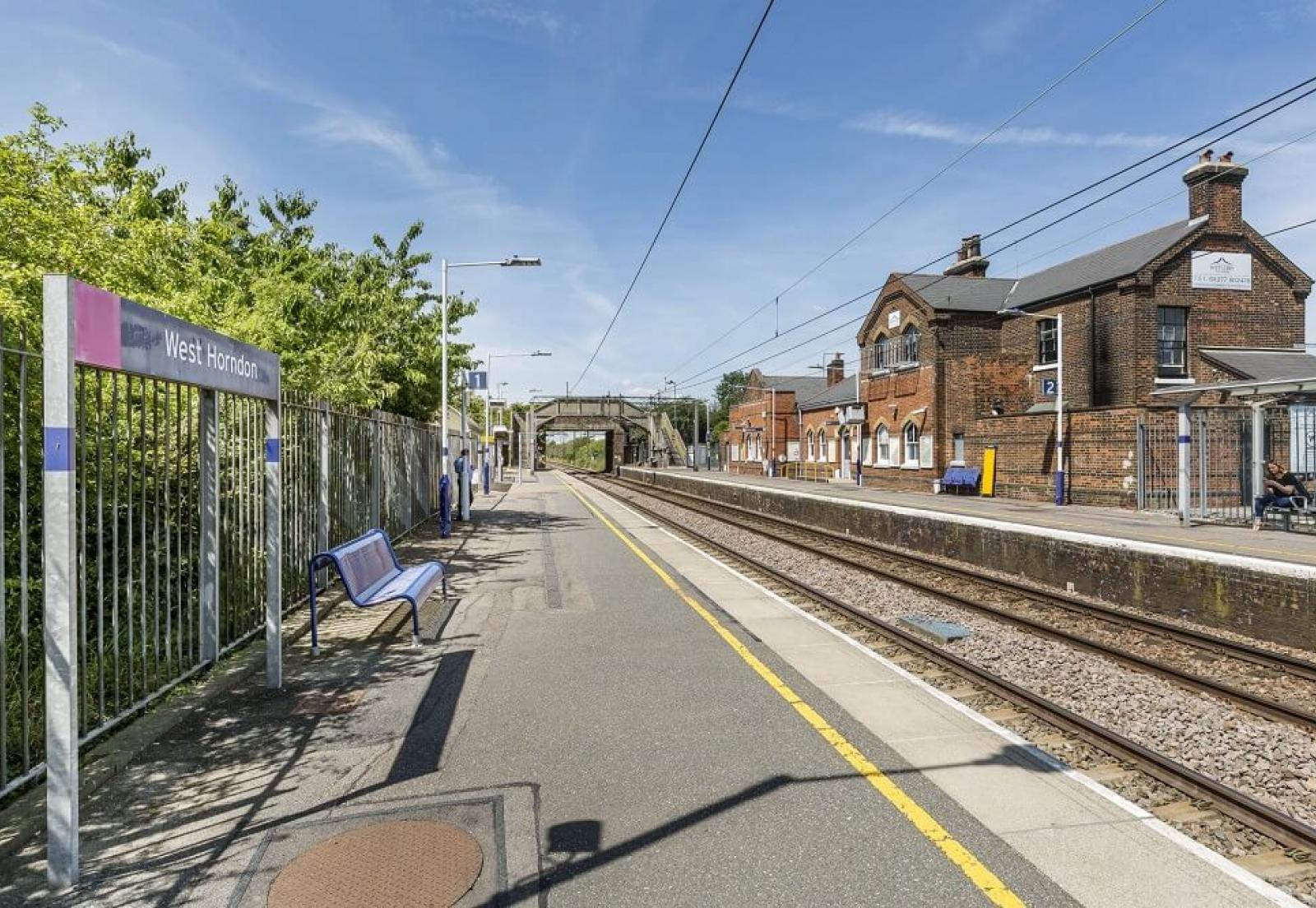
On the c2c network, West Horndon in Essex saw 36% year‑on‑year growth, making it the operator’s fastest‑growing station. The station joined c2c’s expanded contactless ticketing network in late 2024 as part of the Government’s wider rollout of pay‑as‑you‑go travel.
Located near a major housing growth area in Thurrock and with easy access to the M25, West Horndon continues to benefit from regional development and improved ticketing flexibility, both of which have proven popular with passengers.
LNER: Passenger Growth Surges at Darlington
In the North East, Darlington—managed by LNER—recorded a 20% increase in station usage, rising from 2.35 million to 2.83 million entries and exits. The station is currently at the centre of a major transformation.
Network Rail confirmed in December that the £140 million Darlington station development is scheduled to open in Spring 2026. The project, jointly delivered by LNER, Network Rail, Tees Valley Combined Authority, Darlington Council and the Department for Transport, will modernise the site to improve reliability, capacity and the customer experience.
SWR: Woolston Sees 74% Increase in Southampton
On South Western Railway’s network, Woolston in Southampton registered a 74% rise, with more than 180,000 passenger entries and exits. Local regeneration, new housing and enhanced regional connectivity continue to support demand at the station.
TransPennine Express: Malton Enjoys Strong Growth
For TransPennine Express, Malton in North Yorkshire saw passenger numbers climb from 293,000 to 376,000—a 28% increase year‑on‑year. Regional tourism and improved service reliability have supported continued growth at this key station between York and the coast.
Northern: High Growth at Deansgate and Hindley
Northern reported notable increases at several of its stations, including Deansgate and Hindley, both recording 62% growth. Hindley rose from 148,000 to 240,000 entries and exits.
From February, a £6.5 million investment programme at Hindley will deliver accessibility improvements and upgraded passenger facilities. This work is being delivered collaboratively by TfGM, Northern and Network Rail, with funding from the Government and Greater Manchester Combined Authority.
Kerry Peters, Northern’s director of stations, said:
“We manage more than 460 stations across the North of England and work round the clock to run services for tens of millions of passengers.
“Throughout the year, we closely monitor passenger numbers so we can meet demand and work with partners to maintain and upgrade stations whenever there is an opportunity to do so.”**
Greater Anglia: Colchester Town Breaks the 1 Million Mark
Greater Anglia reported significant growth at Colchester Town, where annual entries and exits surged from 644,000 to over 1 million, a 57% increase. The rise reflects strong recovery in commuter, retail and leisure travel across the region.
Image credit: DfT