
The UK Government has reaffirmed its commitment to sweeping rail reform centred on the creation of Great British Railways (GBR), while resisting a series of amendments proposed by MPs, in its formal response to the Transport Select Committee’s scrutiny of the Railways Bill.
The response underlines a strong alignment on the need to simplify the railway’s structure, improve accountability and deliver better value for passengers and freight customers. However, it also exposes clear differences over how far legislation should go in defining powers, targets and safeguards for the new system.
GBR as the ‘directing mind’ of the railway
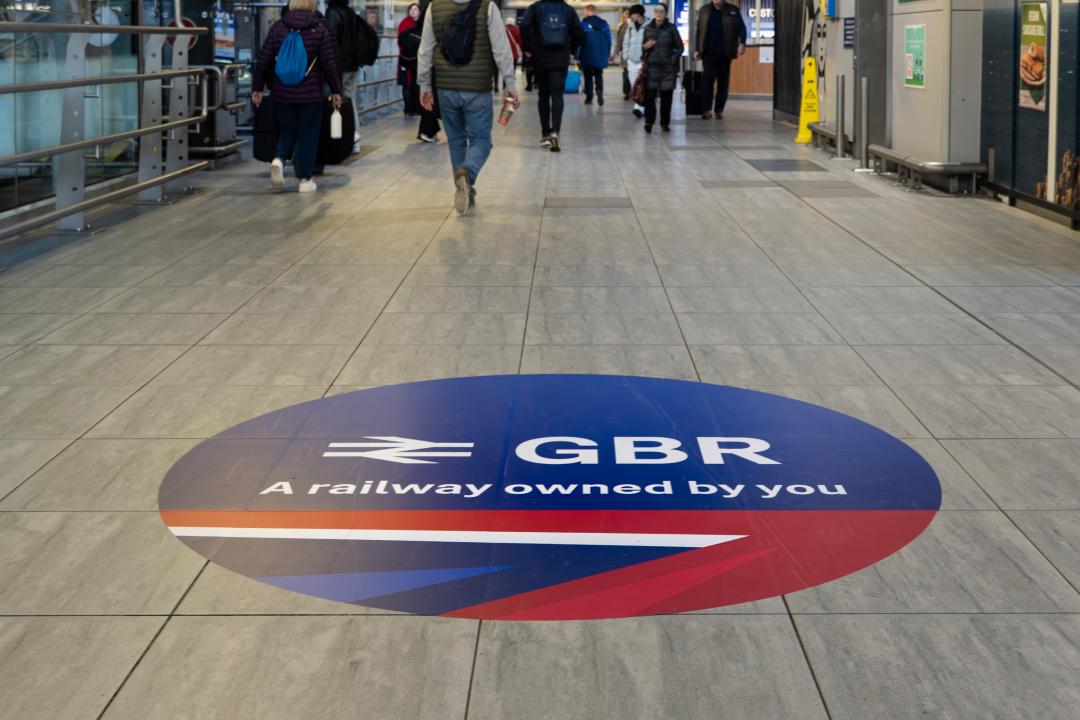
At the heart of the Government’s response is firm backing for GBR as a single body responsible for both track and train. Ministers argue that fragmentation in the current system has led to unreliable services, poor passenger experience and inefficiencies—highlighted by duplicated responsibilities and disputes over accountability during disruption.
GBR is positioned as the mechanism to resolve these issues by centralising responsibility for operations, timetable planning and fares. The Government emphasises that the new organisation will set ticket prices, manage infrastructure, oversee services and act as the “single point of accountability” for performance.
A key benefit outlined is the simplification of ticketing, with GBR expected to introduce a unified digital platform for ticket purchases, including passenger assistance, replacing the current system of multiple retail channels and inconsistent pricing.
Timetabling, capacity and performance reform
The response highlights persistent problems in timetable planning as evidence of systemic failure. On congested routes such as the East Coast Main Line, conflicting interests and legacy contractual rights have hindered the development of efficient services.
Under the new model, GBR will take control of access decisions and timetable development, enabling a more strategic approach to network capacity. The Government argues this will reduce delays, improve reliability and unlock the benefits of past infrastructure investment that has been stalled under the current structure.
Passenger watchdog and regulatory oversight strengthened
Alongside GBR, the Government is advancing plans for a strengthened Passenger Watchdog, which will have the power to investigate issues, request data and hold operators publicly to account. This body will play a critical role in monitoring standards and ensuring passengers’ interests remain central.
Meanwhile, the Office of Rail and Road (ORR) will retain and expand its regulatory role, including oversight of GBR’s performance against its licence and business plan. The Government stresses that this dual-layer scrutiny—watchdog and regulator—will provide robust checks without undermining GBR’s operational independence.
Long-term strategy but limited legislative prescription
The Government agrees with MPs on the importance of a long-term strategic framework, confirming that the forthcoming Long Term Rail Strategy (LTRS) will cover a 30-year horizon to provide stability for the industry and supply chain.
However, it has rejected calls to include more detailed requirements for the strategy within the Bill itself, arguing that legislation should not be overly prescriptive. Instead, a separate discussion document will be published to provide further clarity during the Bill’s passage.
Ministers have also resisted proposals to require formal parliamentary approval of updates to the strategy, though they have committed to transparency measures, including publishing revisions and laying statements before Parliament.

Operational independence vs ministerial control
A key point of contention lies in the balance of power between GBR and the Secretary of State. While the Government agrees that political micromanagement must be avoided, it has refused to amend the Bill to explicitly limit the use of ministerial direction powers.
Instead, it argues that existing legal frameworks and precedent are sufficient to ensure such powers are used sparingly, particularly in exceptional circumstances such as major operational failures or crises.
This position reinforces the Government’s intention for GBR to operate at arm’s length, while retaining ultimate accountability to ministers.
Passenger growth targets rejected
Despite agreeing on the need to grow rail usage, the Government has rejected calls to introduce a statutory passenger growth target. Ministers argue that GBR’s commercial incentives, combined with broader duties to promote passenger interests and the ambitions set out in the LTRS, will naturally drive growth.
This contrasts with freight, where a specific growth target will be enshrined in legislation, reflecting a stronger policy push to shift goods transport onto rail.
Freight prioritisation maintained—appeals unchanged
The response highlights continued support for rail freight, including statutory duties for GBR and the Secretary of State to promote its growth.
However, the Government has declined to expand appeal rights for freight operators beyond judicial review principles. It argues that the current framework strikes the right balance by ensuring decisions are lawful and fair without undermining GBR’s ability to make strategic network-wide choices.
Accessibility and passenger representation
Accessibility is identified as a core priority, with the Bill introducing—for the first time—a statutory duty across key rail bodies to consider the needs of disabled passengers.
While the Government agrees on the importance of representation and accountability, it has resisted embedding specific requirements—such as mandating disabled representation on the Passenger Council board—preferring flexibility outside legislation.
The Passenger Council itself will be empowered to set and monitor standards across the passenger experience, though the Government has stopped short of making this a statutory obligation.
Industry certainty and transition concerns
In response to industry concerns, the Government has committed to publishing a clear roadmap for GBR’s establishment, including key milestones and consultation timelines.
It has also defended provisions allowing modification of existing access agreements, describing them as a “necessary legal backstop” to ensure continuity during transition rather than a risk to investment.
Devolution and local engagement
The Government has reiterated the importance of collaboration with devolved administrations and local transport authorities, particularly mayoral strategic bodies. However, it has resisted calls to mandate formal partnerships, instead favouring flexible arrangements tailored to local needs.
GBR will be structured with regional business units to improve local engagement while maintaining a unified national network.
Image credits: iStock