
London North Eastern Railway (LNER) has partnered with Treeva to deliver a UK rail first—generating renewable energy from the turbulent airflow created by passing trains.
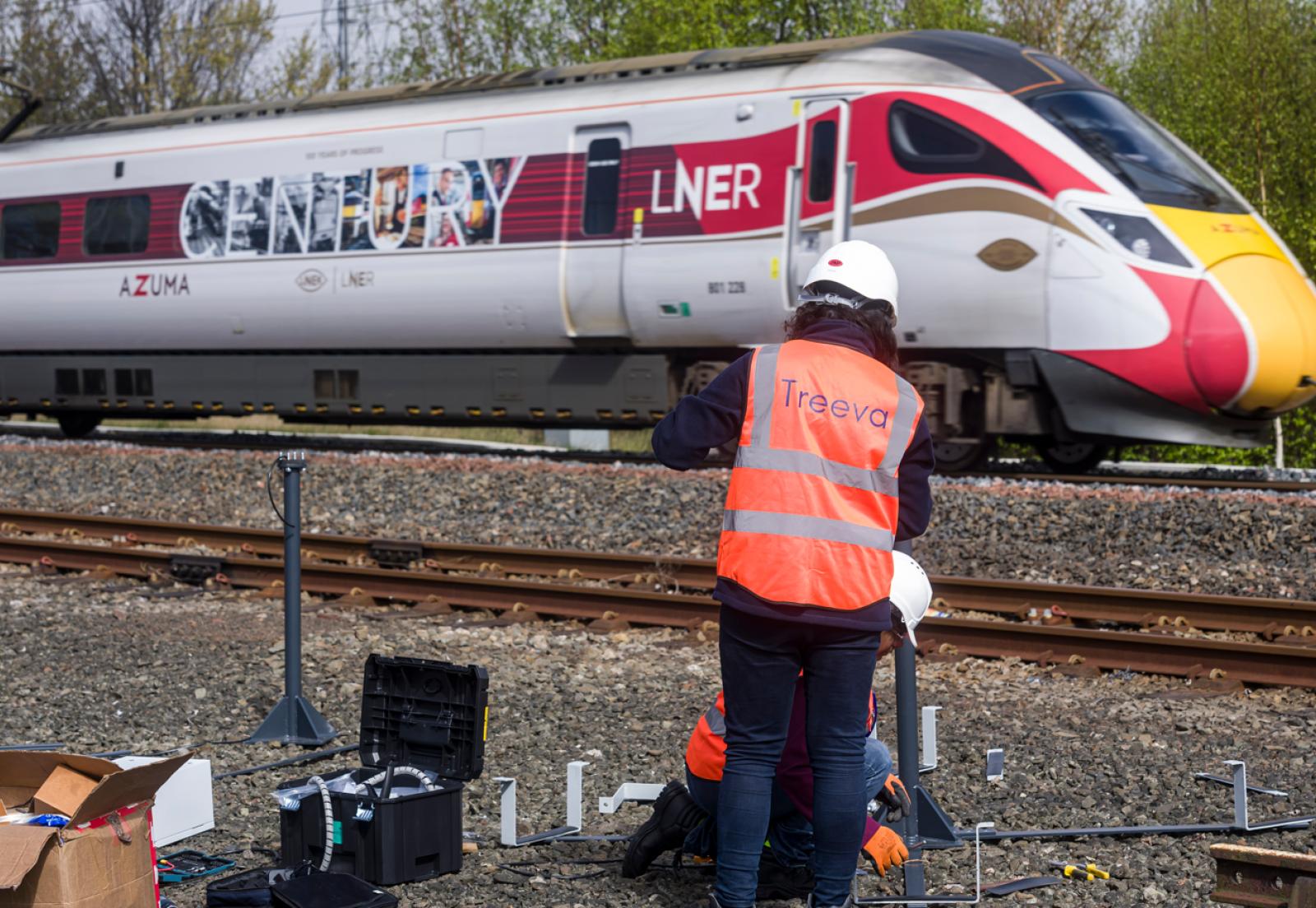
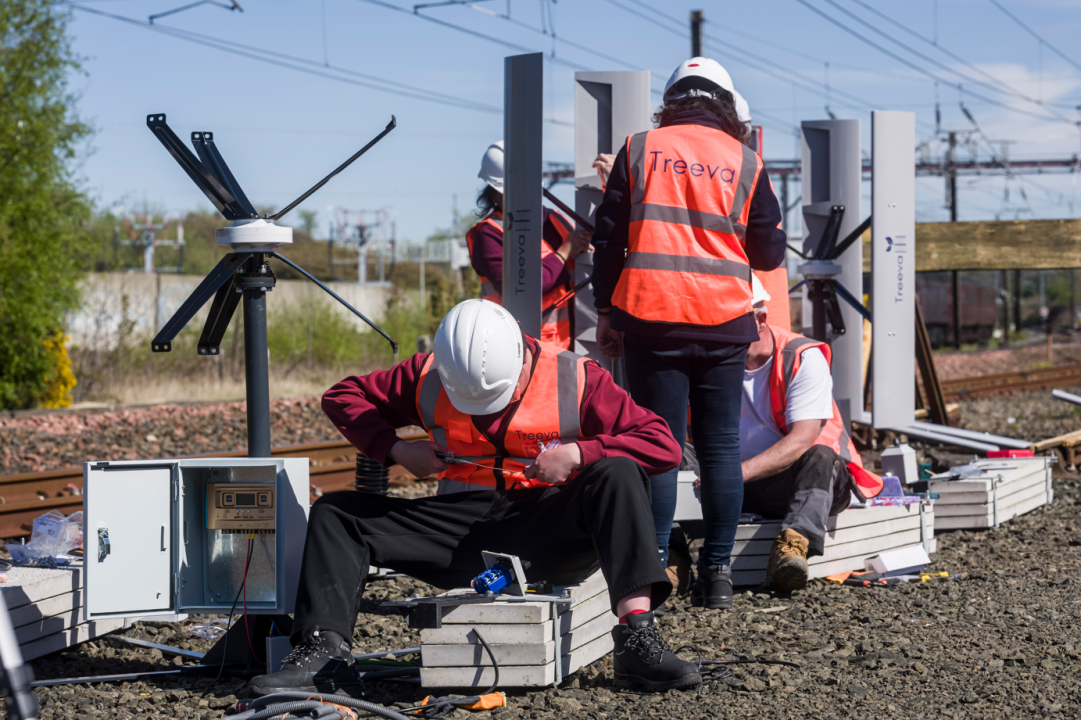
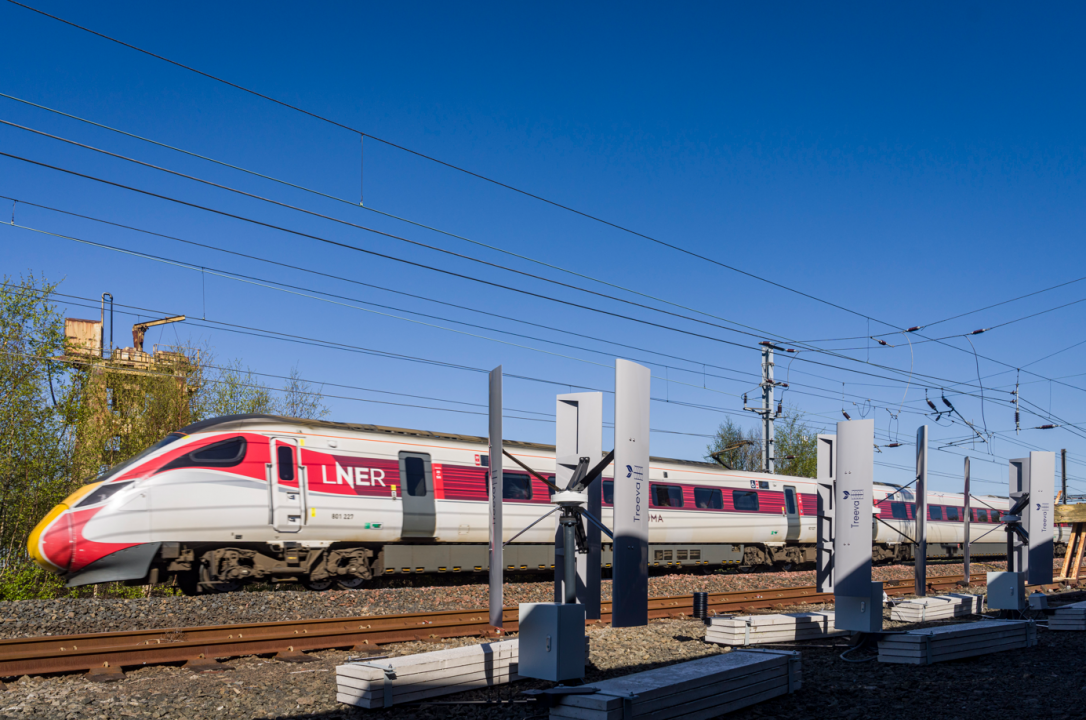
The proof‑of‑concept project has seen three compact wind turbines installed alongside the East Coast Main Line at Hitachi Rail’s Craigentinny depot in Edinburgh. Standing around six feet tall and manufactured using upcycled materials, the turbines are the first of their kind to be safely installed and operated next to a UK main line railway.
Crucially, the turbines require no grid connection. Designed to be deployed on unused land beside railway tracks, they capture energy created by passing trains and convert it into clean, renewable electricity. The energy generated will be measured and used to power a range of railway devices, providing vital performance data to assess how the technology could be deployed more widely across Britain’s rail network.
Each turbine has the potential to generate enough power to meet around a third of a small station’s lighting demand, operate four CCTV cameras, or run two passenger information screens. At scale, the environmental benefits are significant: five turbines could reduce carbon emissions by more than 12,000 kilograms of CO₂ per year—the equivalent of planting 500 trees.
Treeva, a British clean‑tech company, are graduates of the Future Labs innovation programme. The scheme brings together technology start‑ups and train operators to collaborate on solutions to some of the rail industry’s most pressing challenges, including decarbonisation, resilience and energy independence.
Following Treeva’s success in winning the programme’s People’s Choice Award, the company has continued working closely with LNER to adapt the technology for operational rail environments. This collaboration has now resulted in the successful installation of three turbines at Craigentinny, where they will remain in place for a minimum of six months.
In a light‑hearted touch, LNER colleagues have named the turbines Sir Spins‑a‑Lot, AC Breezy and Windiana Jones.
Mark Haymer, Innovation Product Owner at LNER, said:
“This is a really exciting next step in the project. Developing new ideas and solutions in any industry is always a challenge, but thanks to a strong partnership between Treeva, Hitachi, Network Rail, and LNER, we’ve delivered a successful and safe installation at Craigentinny. We’re looking forward to seeing how the turbines perform over the next six months. The data collected will shape the next stages of the project, supporting LNER and the other DFTO train companies to become zero‑carbon operators, making rail an even greener choice for travel.”
If successful, the trial could mark an important step towards self‑powered, low‑carbon railway infrastructure—unlocking the energy potential of Britain’s rail corridors while supporting the industry’s long‑term net‑zero ambitions.
Image credits: LNER