Northern England is set to benefit from one of the largest periods of rail investment in its history. But according to Network Rail's Charlie French, the real challenge is not simply delivering major projects. It is ensuring that every investment works together to create a better railway for passengers, freight operators and communities.
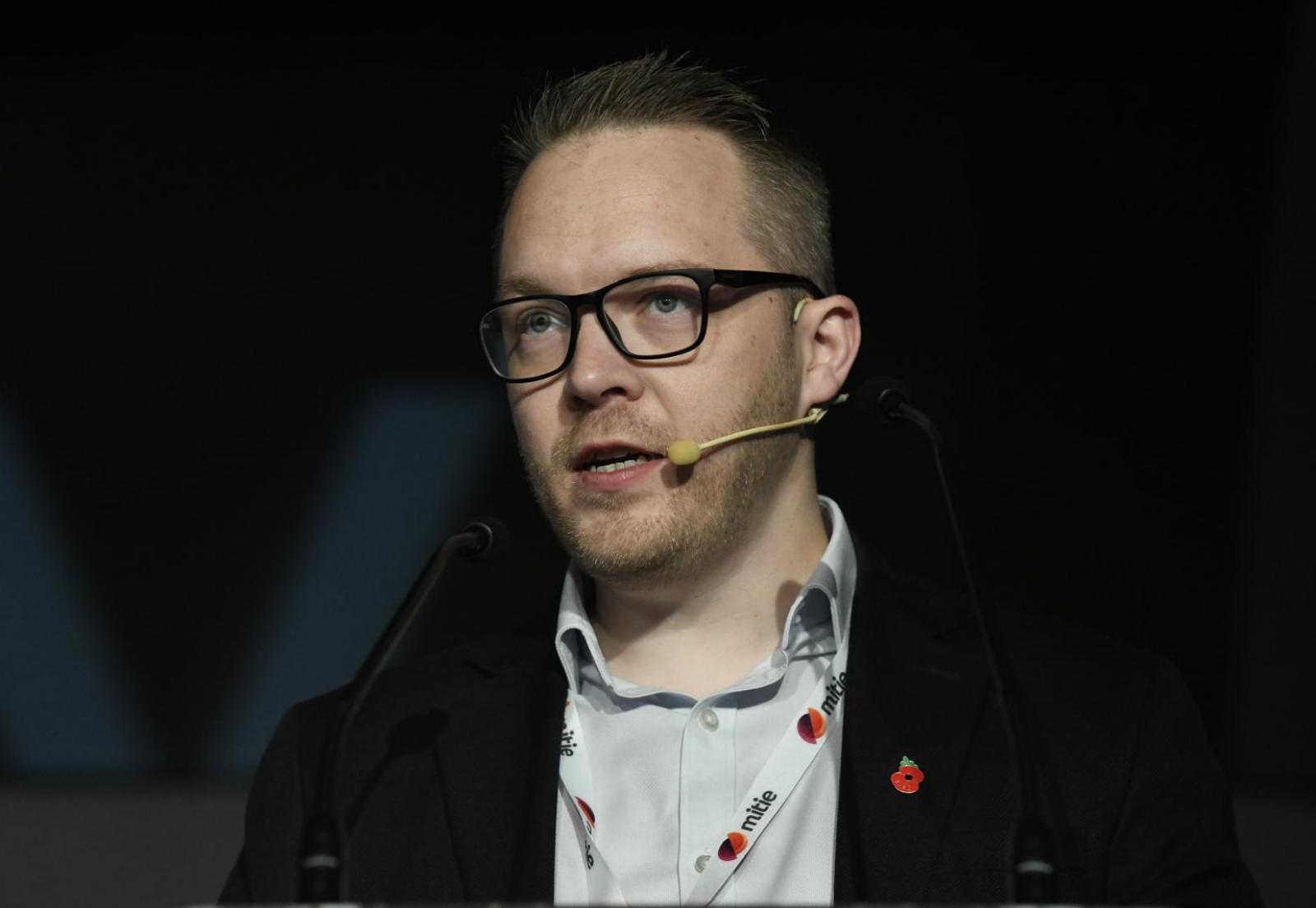
Speaking during his keynote address at TransCityRail North 2026, French, Principal Client for Integration and Strategy in the North of England at Network Rail System Operator, outlined why collaboration and long-term planning will be critical as investment across the region accelerates.
With schemes including the Transpennine Route Upgrade (TRU), improvements around Manchester and Leeds, new trains for Northern and proposals for Northern Powerhouse Rail (NPR), total rail investment across the North could approach £65 billion by 2040.
Additional funding from freight operators, open-access rail companies and mayoral authorities could increase that figure even further.
While the scale of investment represents a significant opportunity, French warned that delivering successful outcomes will require far more than completing individual projects.
Programmes have often been developed at different times and under different assumptions. At the same time, passenger demand, political priorities and wider market conditions continue to evolve.
For French, the industry's responsibility is to continually reassess whether projects remain aligned to the outcomes they were originally designed to achieve.
A central theme of French's presentation was the importance of planning rail services first and infrastructure second.
Rather than beginning with engineering solutions, planners should first ask what services the railway needs to provide, which communities require better connectivity and how passengers will use the network in the future.
Only then can the industry determine the infrastructure, rolling stock, timetables and supporting assets required to deliver those services.
This approach helps identify practical operational challenges at an early stage.
Questions around junction capacity, station performance, traction power requirements and depot readiness may sit across multiple programmes, but collectively they determine whether the railway can function as intended once projects are complete.
French argued that integration across programmes is essential if investment is to translate into tangible improvements for customers.
Client teams play a vital role in coordinating the various organisations involved in rail investment, from sponsors and delivery teams to government bodies and political stakeholders.
Their responsibility extends beyond managing budgets and programme scopes.
They must balance cost, time and delivery pressures against the long-term benefits promised to passengers and freight users.
In today's constrained funding environment, French stressed that value should remain the primary focus.
Reducing costs at the expense of performance or customer outcomes can create false economies that ultimately weaken the benefits projects were intended to deliver.
French also highlighted the importance of involving operators, local authorities and supply chain partners as early as possible in project development.
Many critical decisions become difficult and expensive to change once a programme reaches the detailed design stage.
Engaging delivery specialists early allows organisations to test assumptions, identify dependencies and resolve potential conflicts before they impact programme timelines or costs.
Access planning provides a clear example.
Major engineering works can significantly disrupt rail services, and the effects can become much worse when multiple projects operate independently without proper coordination.
Effective planning is needed to minimise disruption, avoid clashes with major events and ensure communities can continue to access the railway during construction periods.
French pointed to a recent project at Manchester Airport station as an example of how collaborative thinking can deliver better outcomes.
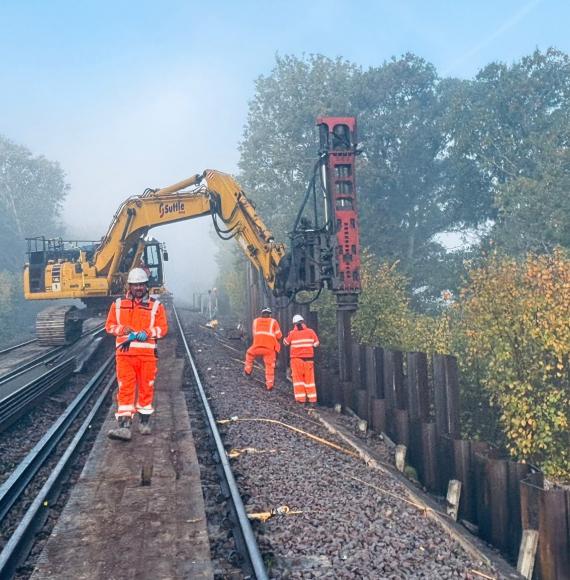
By changing the piling methodology used for platform extension works, project teams were able to reduce costs, shorten delivery times, minimise land requirements and reduce the number of disruptive railway possessions required.
The example demonstrated how practical innovation can create benefits for infrastructure teams while simultaneously improving outcomes for passengers.
The overriding message from French's keynote was that rail investment should ultimately be judged by what it enables rather than how much money is spent.
With tens of billions of pounds expected to be invested across Northern England over the next 15 years, ensuring projects are genuinely integrated will be critical to delivering the economic, environmental and connectivity benefits policymakers are seeking.
As French concluded, success should be measured not by the scale of investment itself, but by the railway that emerges from it.
For the North's rail sector, that means focusing on outcomes, collaboration and long-term value rather than individual projects in isolation