The Danish State Railways (DSB) has signed a landmark framework contract with a Siemens Mobility and Stadler consortium for 226 fully automated, 4‑car trainsets, with an option for a further 100. Valued at around €3 billion, the project will create the world’s largest open railway system operating at Grade of Automation 4 (GoA4) — a major leap forward in automated metro‑style rail operations across Europe.
A Major Investment to Transform Copenhagen’s Rail Capacity
Describing the order, Flemming Jensen, CEO at DSB, said:
“This is the largest investment in the 90-year history of the S-Bane. With this investment, DSB takes another important step toward future proofing the capital’s public transport. Increased frequency and capacity will ensure that the S-Bane keeps up with growing demand and maintains its role as the backbone of Copenhagen’s transport network.”
This automation programme will allow trains to run every 7.5 minutes per line during peaks, and as little as 1.5 minutes apart in central Copenhagen — a 35% increase in departures on several routes. The capacity uplift equates to 10 million additional journeys per year, supporting steady growth from the 111 million passengers recorded in 2025.
Responsibilities Within the Consortium
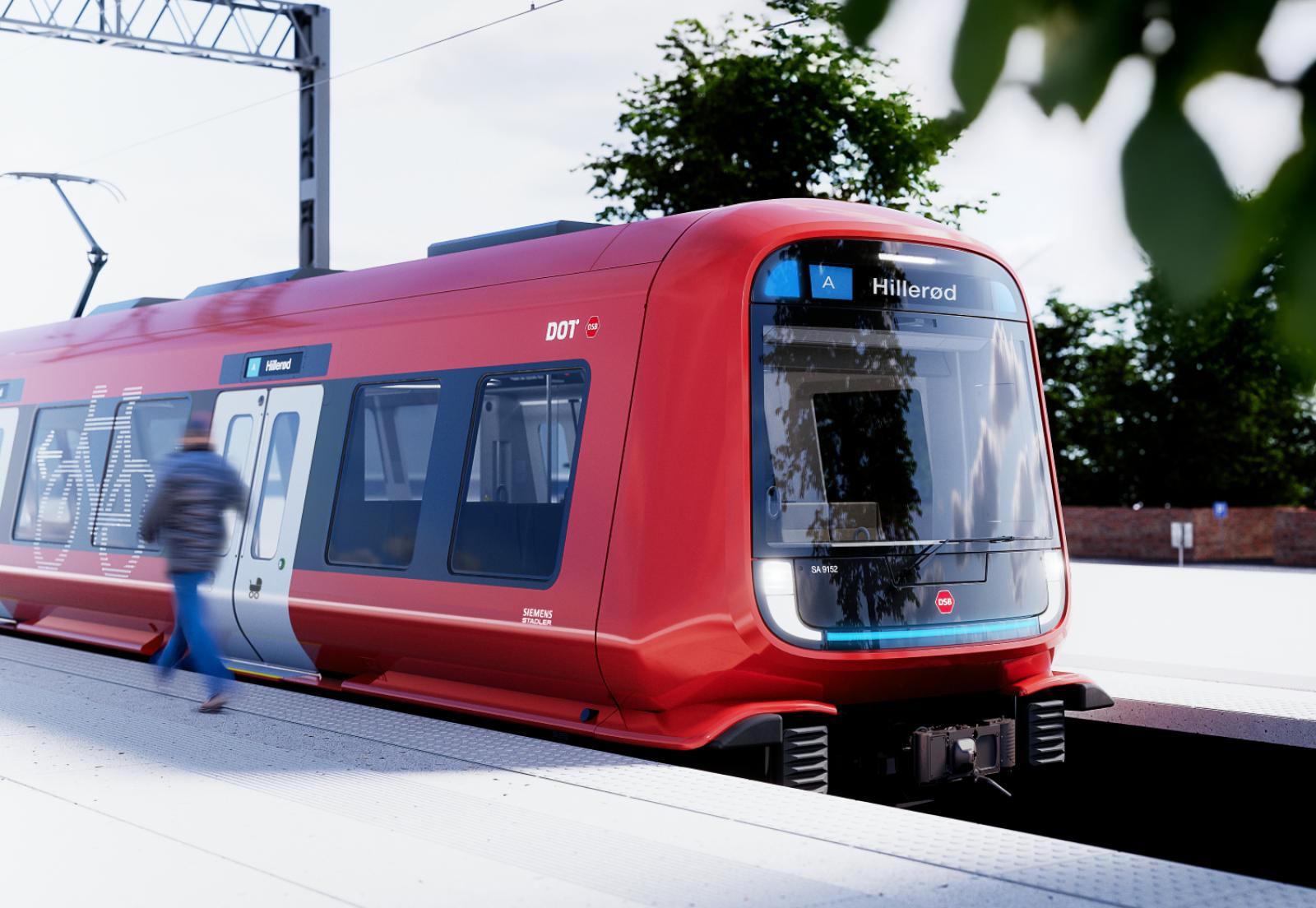
As consortium lead, Siemens Mobility will supply the propulsion, braking, on‑board power, vehicle control, bogies, and digital systems including passenger information. Stadler will manufacture the carbodies and interiors, install doors, climate control, and undertake final assembly.
Michael Peter, CEO of Siemens Mobility, said:
“Together with Stadler, we are proud to have been selected to build and maintain 226 new S trains for Copenhagen. This order will create the world´s largest open railway system with automated train operation (ATO). We’re not just delivering trains, but intelligent mobility solutions, including Railigent X and our innovative Air free Brake System, to keep Copenhagen’s public transport efficient and sustainable.”
He added that the order builds on Siemens Mobility’s ongoing work delivering full automation-ready CBTC upgrades for the S‑Bane, due for completion by 2033.
Ansgar Brockmeyer, Head of Marketing & Sales Division and Deputy Group CEO of Stadler, commented:
“With these new trains, we are continuing the iconic design tradition of the Copenhagen S-Bane S-train. The vehicles are a good example of how design goes hand in hand with comfort and pioneering technology. Designed for fully automated operation, passengers can look forward to trains that will significantly enhance their travel experience… We thank DSB for the order and look forward to building the trains in our proven consortium with Siemens.”
Features of the New Automated Fleet
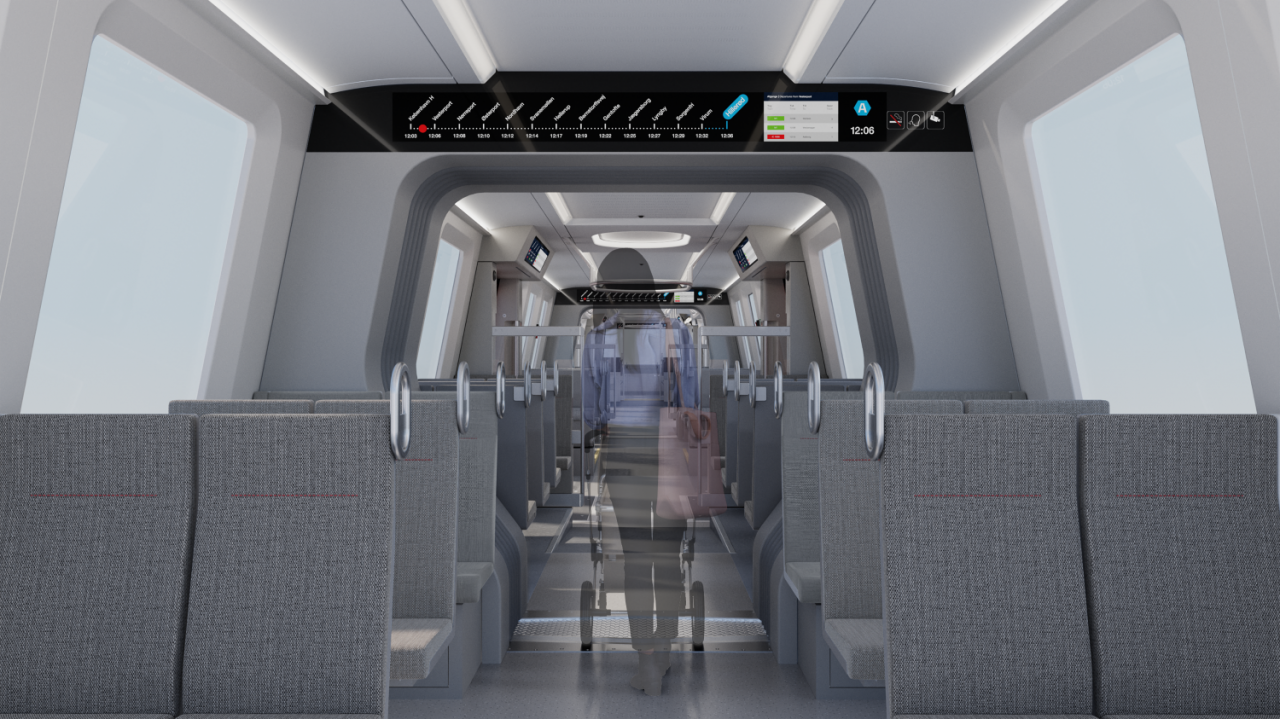
The 56‑metre trains will offer:
- 120 seats, 36 folding seats, and standing room for 300 passengers
- Step‑free, barrier-free access
- Wide aisles and large multi‑purpose spaces for bikes, wheelchairs and prams
- Workspaces, tables for commuters, air conditioning, and 2+2 seating
- Larger windows including panoramic fronts for bright, open interiors
- Next‑generation passenger information and low-noise running
A key innovation is Siemens Mobility’s Air‑free Brake System, which removes pneumatic technology, reducing CO₂ emissions by 50% and lowering lifecycle energy needs.
Long-Term Maintenance Commitment
A 30‑year Technical Support & Spares Supply Agreement (TSSSA+) will see Siemens support DSB’s maintenance teams. Digital platforms such as CORMAP, Railigent X, and FRACAS/RAM systems will drive data‑led reliability and availability.
Full Automation of the S‑Bane Network
Siemens Mobility is delivering GoA4 automation across the 170‑km network using its Trainguard MT CBTC solution. Automation will roll out in five phases, beginning in 2030, with full GoA4 operations by 2033.
The integrated fleet and signalling upgrade will significantly boost capacity, reliability, and passenger comfort across Copenhagen’s busiest rail corridors.
Image & Video credits: Stadler