From this Sunday, half of all rail journeys that Great British Railways (GBR) will ultimately oversee will be delivered by publicly owned operators, as London Northwestern Railway (LNR) and West Midlands Railway (WMR) come under public ownership. The move brings the full West Midlands Trains (WMT) operation into the government-run network, marking a major milestone in the transformation of Britain’s railways.
This transfer represents a significant step toward creating a fully integrated, reliable and passenger‑focused rail system under the emerging GBR structure. The government says the new model will strengthen accountability, simplify operations and improve affordability across the network.
Bringing LNR and WMR into public ownership aligns them with Greater Anglia, c2c, Northern, TransPennine Express, Southeastern, LNER and South Western Railway — all currently managed by DfT Operator Limited (DFTO). With WMT’s transfer, eight of the fourteen operators that will run under GBR are now publicly owned.
Uniting the West Midlands Network Under Public Control
London Northwestern Railway operates key intercity services between Liverpool and Birmingham, as well as West Coast Main Line services to and from London Euston. West Midlands Railway runs extensive regional services across the West Midlands, connecting major hubs via Birmingham New Street and Birmingham Snow Hill.
These routes are described as “economic lifelines” for the region, supporting jobs, education, housing development, inward investment and wider economic growth from Liverpool to London.
The transition of WMT follows the government’s Passenger Railway Services (Public Ownership) Act and coincides with the first rail fare freeze in 30 years.
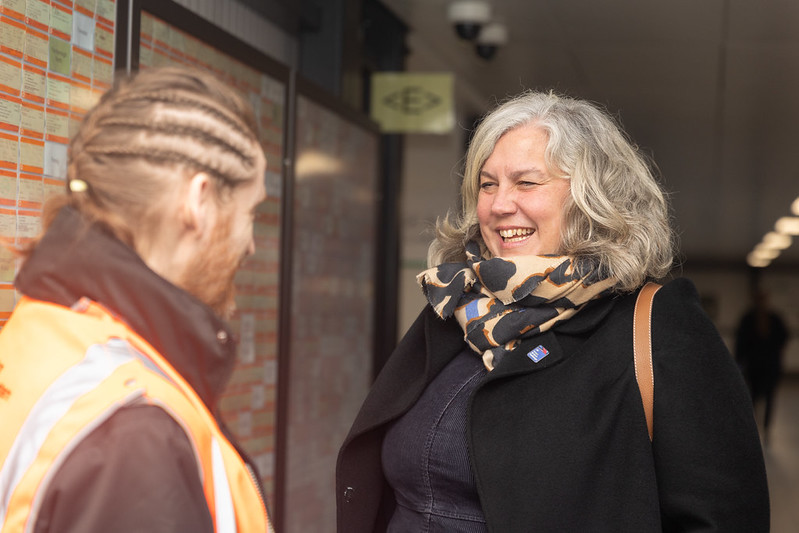
Transport Secretary Heidi Alexander said:
“From this Sunday, the thousands of passengers who travel with London Northwestern and West Midlands Railway will be using services that are owned by the public and run with their interests at heart.
“We’re working hard to reform a fragmented system and deliver a reliable railway that regenerates communities, rebuilds the trust of its passengers, and delivers the high standards they rightly expect.”
Industry Leaders Welcome New Era of Collaboration
Ian McConnell, Managing Director of West Midlands Trains, highlighted the investment already underway:
“We are proud to be one of the fastest-growing train operators in the country with millions of passengers travelling on London Northwestern Railway (LNR) and West Midlands Railway (WMR) services every month. We’ve introduced more than 100 new trains as well as upgrading our depots and station facilities. We’re looking forward to opening five brand new stations later this year and we’re also rolling out ‘Pay-As-You-Go’ ticketing across 75 locations to enable seamless tap-in, tap-out travel for our customers.
“Public ownership is an exciting opportunity to build on this success through a strong culture of collaboration and integration with the wider family of publicly owned operators.
“Together, we can drive performance by sharing best practice and accelerating innovation and continue to deliver even better journeys for our passengers across the LNR and WMR networks.
“We are now a step further on the journey to Great British Railways – a railway that we can be proud of and one that benefits the passengers and communities we serve.”
Regional business leaders also stressed the importance of strong public transport:
Sarah Moorhouse, CEO of Black Country Chamber of Commerce, said:
“Rail connectivity is crucial for businesses across the Black Country. Our businesses depend on these services to reach customers, access talent and connect with partners right across the region.
“Having strong transports links across the West Midlands drives economic prosperity – they attract investment, support job creation and help our communities compete on a regional and national stage.”
Richard Parker, Mayor of the West Midlands, added:
“For too long passengers have had to put up with unreliable and overcrowded trains and a confusing ticket system run by companies who put profit before people.
“Now we have a government which is delivering on its pledge to take public ownership and fix our broken railways. This is about more than a badge on the side of a train – and I will be working closely with ministers to improve West Midlands Railway services and raise standards.
“And with my plans to take back control of our buses making good progress, we have an opportunity to create a truly integrated public transport system offering smooth, reliable and affordable journeys whether passengers are travelling by train, bus or tram.”
Mal Drury‑Rose, Executive Director of West Midlands Rail Executive, said:
“We have a strong record of putting local communities at the heart of decisions about the rail network, and we look forward to continuing that work with government and industry building on our extensive experience and investment in the region.
“The transfer of West Midlands Railway services provides a clear platform for aligning customer priorities and regional ambitions to raise performance and improve the overall customer experience.”
Public Ownership Already Delivering Results
The Department for Transport reports that publicly owned operators are outperforming privately run ones on punctuality and cancellations. South Western Railway has quadrupled its number of new trains since nationalisation, improving the passenger experience, and initiatives such as cross-operator ticketing during disruption have improved customer flexibility.
Northern is also making major investments, including state‑of‑the‑art driver training simulators and the largest planned fleet renewal in its history — up to 450 new trains.
More Operators to Follow
The government has confirmed that Govia Thameslink Railway (GTR) services will transfer on 31 May 2026, with Chiltern Railways and Great Western Railway expected to join the public network shortly after. The full public ownership transition is anticipated to complete by the end of 2027.
Meanwhile, legislation establishing Great British Railways continues to progress through Parliament.
Image credits: Department for Transport