SNCF Group has reported a strong financial and operational performance for 2025, with results highlighting a year of stabilised revenues, increased profitability, major investment in rail infrastructure, and sustained global growth across its rail and mobility businesses. Revenue remained steady at €43.0bn, while profitability improved significantly with EBITDA rising to €7.6bn, representing 17.8% of revenue, up from 16.0% in 2024. Net profit increased to €1.8bn, and free cash flow strengthened to €1.7bn, supporting an extensive investment programme totalling €11bn, 95% of which was allocated to rail within France.
SNCF’s Chairman and CEO Jean Castex said the results underscored the Group’s renewed financial strength and the continued rebound of rail demand: “Our Group is back in the black, which is good news for France… As passengers call for more trains and the highest level of service, we must all work together to meet this challenge in support of the green transition, social cohesion and the future of our country.”
Passenger rail at the core of growth
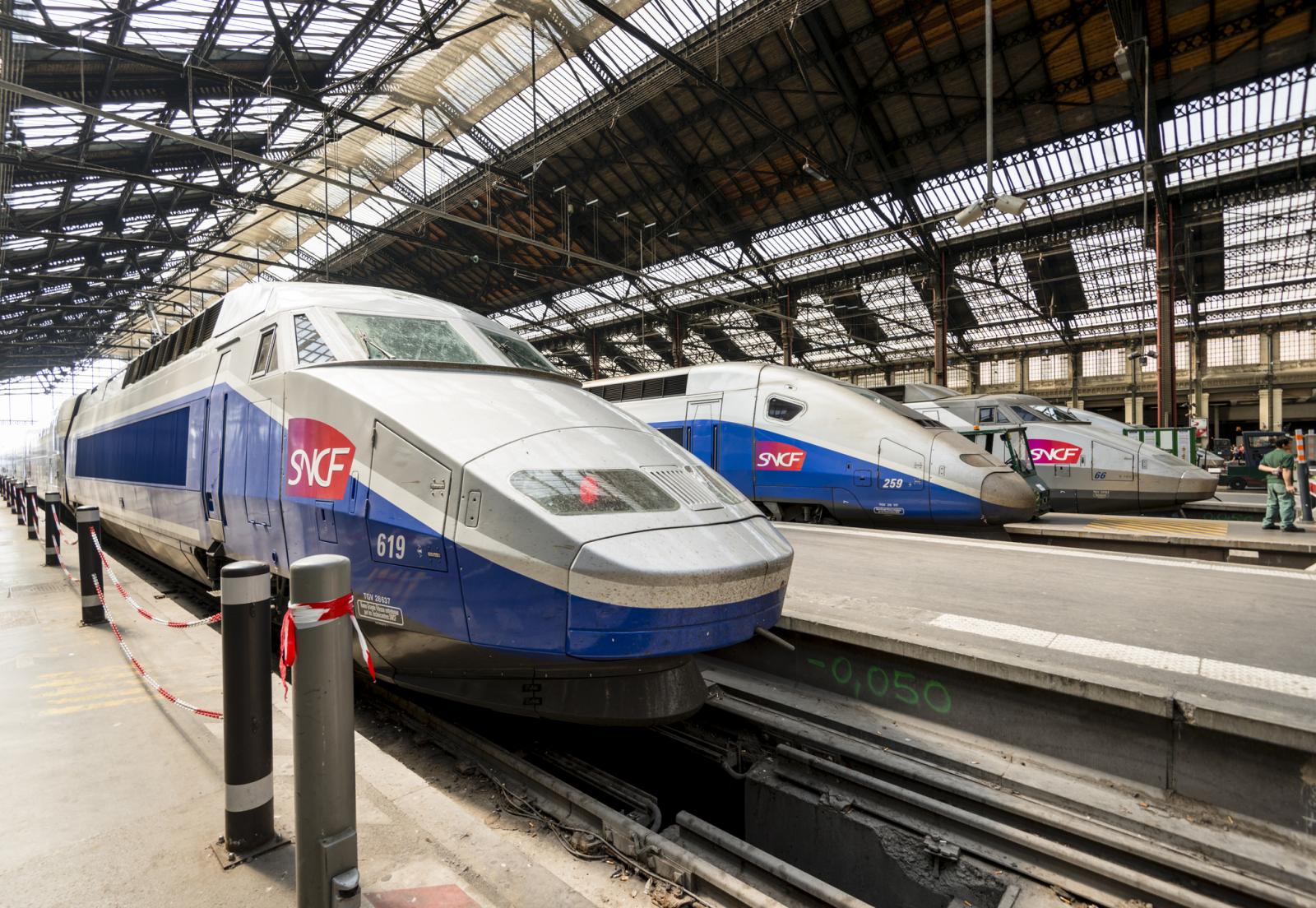
Passenger rail activity remained the primary driver of SNCF’s performance. SNCF Voyageurs posted revenues of €20.9bn, up 3% year‑on‑year, supported by strong demand across domestic high‑speed, regional and suburban markets. TGV services in France and Europe carried 168 million passengers, a 3.5% increase, contributing to improved load factors and record seasonal peaks. Regional (TER) ridership rose by 2.8%, while Paris area Transilien services saw volumes grow by 4%.
European and international high‑speed services recorded a 10.6% surge in passengers, including a notable 1.8% uplift for Eurostar and rapid expansion of OUIGO España, which grew ridership by 44% and posted its first positive EBITDA. New services, including the Paris–Brussels low‑cost OUIGO Classe Classique, transported over one million passengers in its first year.
SNCF and Keolis also secured their first high‑speed rail contract outside Europe, winning the tender to design, build and operate the forthcoming Quebec City–Toronto “Alto” high‑speed line in Canada as part of the Cadence consortium.
Competitive wins in domestic public service contracts
2025 marked a decisive year in the opening of France’s rail public service contracts to competition. SNCF Voyageurs won four out of five tenders, bringing its total to eight of 12 contracts awarded to date. Victories included the Bourgogne Ouest Nivernais concession, major suburban operations in Île‑de‑France—including Line L, carrying nearly 300,000 passengers daily—and new contracts scheduled to begin from 2026 through to 2029.
These competitive gains reflect SNCF’s strengthened ability to operate under tendered operating models, a trend increasingly shaping rail markets across Europe.
Keolis: resilience and expansion across global mobility markets
Despite a slight decline in revenue to €7.1bn, Keolis improved its EBITDA margin to 7.9% and delivered a strong commercial performance in France and internationally. Domestically, it secured major urban transport contracts in the Paris region and renewed operations in cities such as Rennes, Tours and Metz.
Internationally, the company expanded its footprint in Scandinavia, North America, India, UAE and Australia. Notable successes included operations contracts in Boston, renewal of the Virginia Railway Express agreement, integration of Pacific Western Transportation in Canada, and taking full ownership of its Australian business.
Logistics divisions show resilience in difficult markets
GEODIS, SNCF’s global logistics arm, faced major headwinds from weakened manufacturing output and tariff disruptions yet maintained its profitability, holding its EBITDA margin at 10.7%. Revenue fell to €10.6bn, driven mainly by lower intercontinental freight rates, but new digital tools, CRM investments, and customer acquisition strategies helped offset market pressures.
Rail Logistics Europe delivered a strong margin improvement to 14.4% despite operating in a challenging European freight rail environment. Revenue dipped slightly to €1.8bn, but new subsidiaries Hexafret and Technis improved service reliability and profitability. Contracts across defence, retail and intermodal segments strengthened its position heading into 2026.
SNCF Réseau accelerates network renewal and integration of new operators
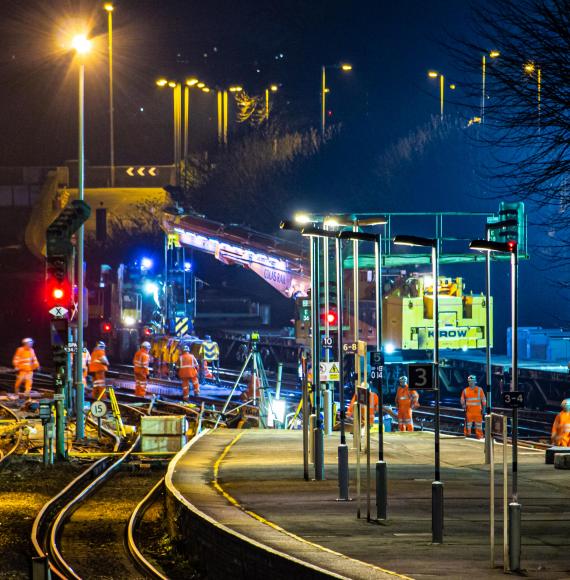
Infrastructure manager SNCF Réseau also reported strong results, with revenue increasing 4.8% to €8.4bn. It delivered a significant recovery in operational and financial performance, achieving a 30.5% EBITDA margin—up 3.8 points. The company renewed 736 km of track and 239 km of overhead lines across 1,600 worksites. A major achievement was the rapid restoration of the France–Italy rail link in the Maurienne Valley, reopened just 18 months after a large landslide.
Réseau also managed growing market liberalisation: six new rail operators began services on the national network in 2025, with non‑SNCF undertakings now accounting for 7.4% of total train‑kilometres.
Sustainability: emissions down, renewable energy and circularity up
Environmental performance improved across the Group. Greenhouse gas emissions fell by 6.5% year‑on‑year and 13% compared with 2022. Renewables accounted for a larger share of SNCF’s energy mix after SNCF Énergie signed nine new solar Power Purchase Agreements totalling 350 GWh annually. The Group also advanced large‑scale rolling stock refurbishment, mid‑life upgrades for regional fleets, and maintained a 100% recycling rate for steel rails.
SNCF’s ESG credentials were recognised with an upgraded EcoVadis score of 89/100, placing it in the top 1% globally, and a CDP A rating for environmental performance.
Image credit: iStock