Stadler has reached another significant milestone in the development of hydrogen-powered rail transport, with the commissioning of a new narrow-gauge test track in Switzerland designed specifically to support regional rail projects in Italy.
The manufacturer has constructed a dedicated 950mm-gauge test facility between Hemishofen and Ramsen, enabling comprehensive testing of rolling stock destined for some of southern Italy’s most distinctive regional networks.
The new infrastructure marks a world-first for Stadler and will immediately be used to validate the performance of the first narrow-gauge hydrogen train built for Sardinia.
New Swiss Test Facility Supports Italian Networks
Several regional railway networks across southern Italy operate on the so-called ‘Italian metre gauge’ of 950mm. These include routes in Sardinia, Sicily around Mount Etna, Apulia and the Naples region.
Until now, rolling stock designed for these railways could only be tested directly on the networks where they would eventually operate, creating additional complexity during commissioning.
To address this challenge, Stadler worked alongside Bahninfra AG and Müller Gleisbau to build the dedicated narrow-gauge track during spring 2026.
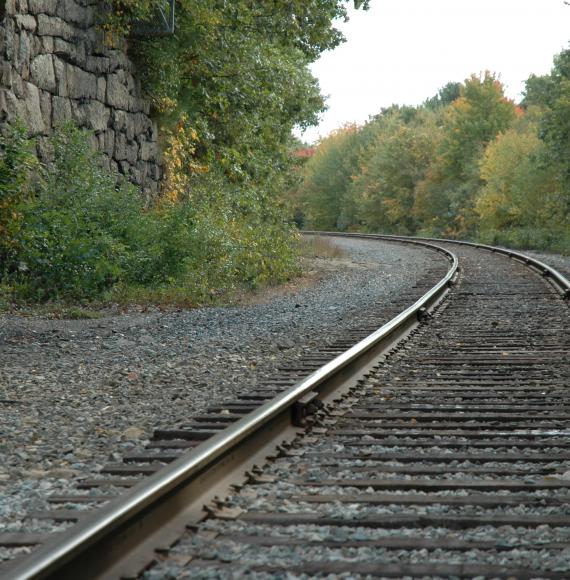
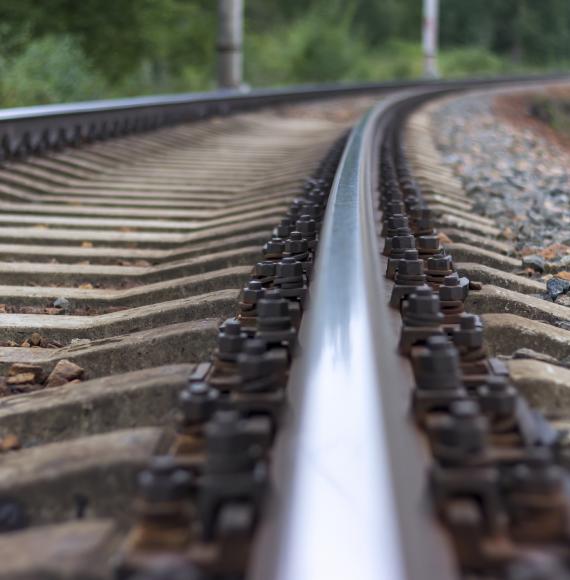
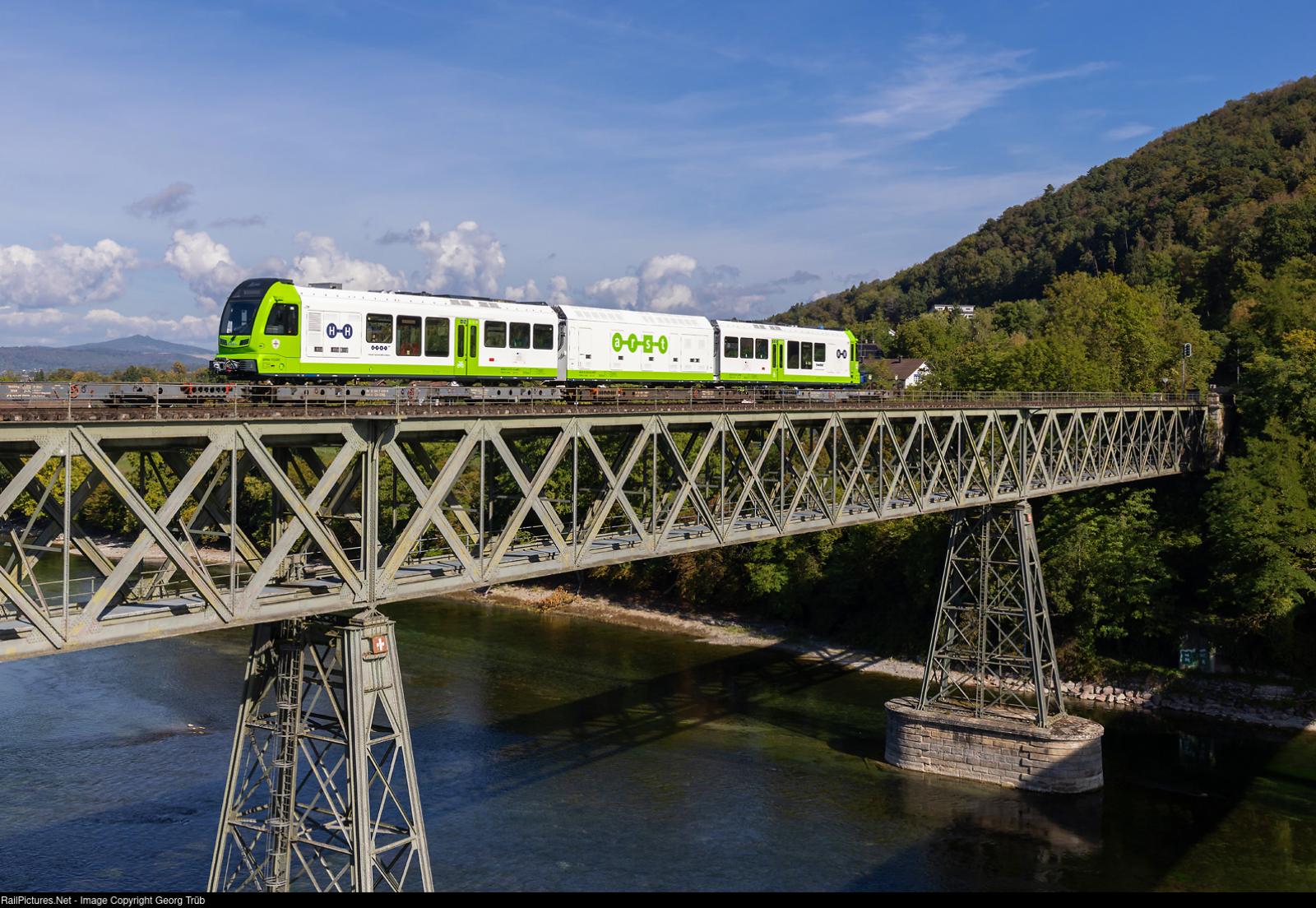
The nearly four-kilometre route runs between Hemishofen and Ramsen stations in Switzerland, using a third rail installed within the existing standard-gauge line. The location is already familiar to Stadler, having previously hosted testing of the FLIRT H₂ hydrogen train developed for California.
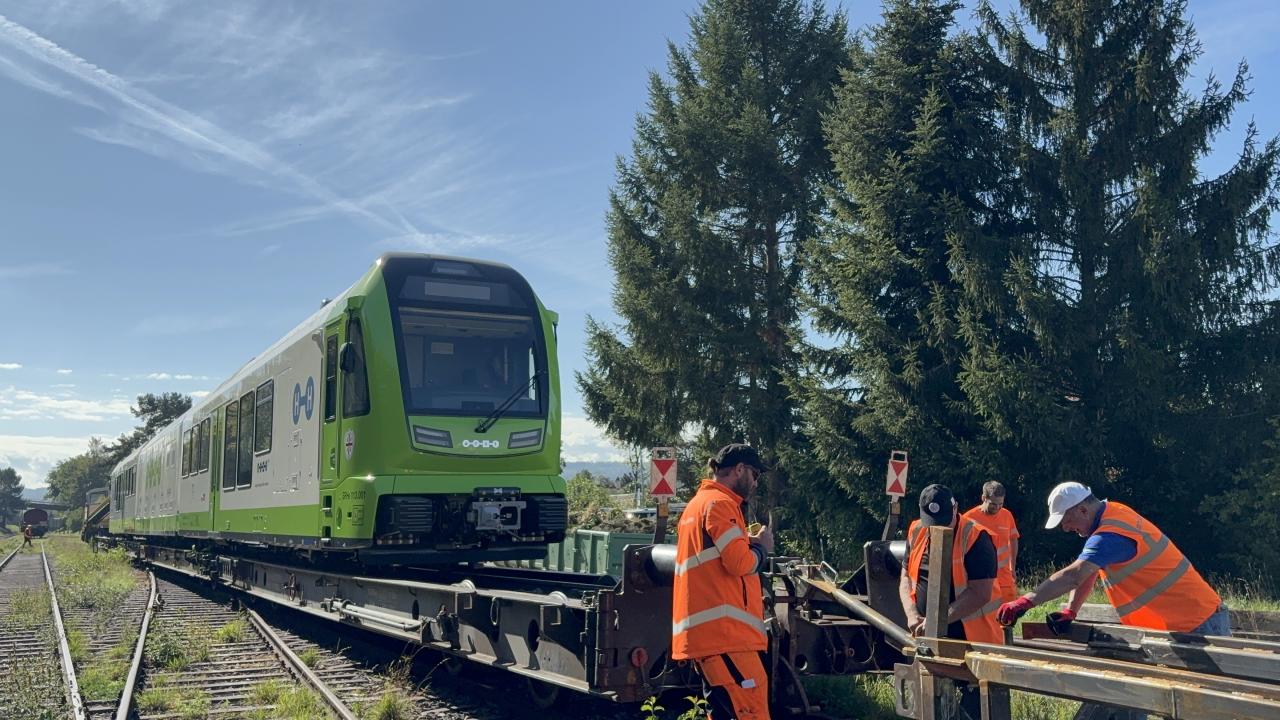
World-First Narrow-Gauge Hydrogen Train Begins Testing
The first vehicle to use the new facility is the world's first narrow-gauge hydrogen train, built for Sardinian operator ARST (Azienda Regionale Sarda Trasporti).
Testing commenced in mid-October 2026 and includes extensive assessments of the train’s systems, performance and reliability under real operating conditions.
The programme is expected to play a crucial role in accelerating the vehicle’s entry into passenger service.
“As there are no narrow-gauge networks outside Italy with the track gauge typical of southern Italy, such rolling stock could previously only be tested on their future operating location,” explains Ansgar Brockmeyer, Head of Marketing & Sales and Deputy Group CEO at Stadler.
“Thanks to the new track, we can test the trains here in Switzerland and, given the proximity to our factory in Bussnang, optimise them quickly and efficiently. This significantly speeds up the subsequent commissioning on site in Italy. Both the customer and passengers benefit equally from this.”
Focus on Hydrogen Propulsion Performance
Initial testing is concentrating on validating the hydrogen propulsion system across a range of operating scenarios.
According to Alessio Salvatore, Project Manager for the hydrogen train programme, engineers are assessing performance with varying hydrogen levels and operating speeds before progressing to formal approval-related testing.
“Following its arrival in Hemishofen, we are focusing on testing the hydrogen propulsion system. The train is being tested with varying levels of hydrogen in the tank and at different speeds. This will be followed by further tests relevant to type approval, including acceleration and braking behaviour. Every test successfully completed brings us one step closer to deploying the vehicle on the local route in Italy.”
Strategic Importance for Italy’s Decarbonisation Plans
For Sardinia’s regional operator ARST, the testing phase represents a key step towards introducing zero-emission rail transport while supporting wider ambitions around energy independence.
“The upcoming delivery of the new hydrogen trains represents a decisive step forward for ARST, with vehicles arriving in Sardinia having already completed a crucial testing phase. This will allow us to promptly launch final trials on our network, advancing both our zero-emission mobility goals and our path toward energy self-sufficiency. It is a concrete operational milestone that confirms the effective collaboration established with Stadler,” concludes Carlo Poledrini, General Director ARST.
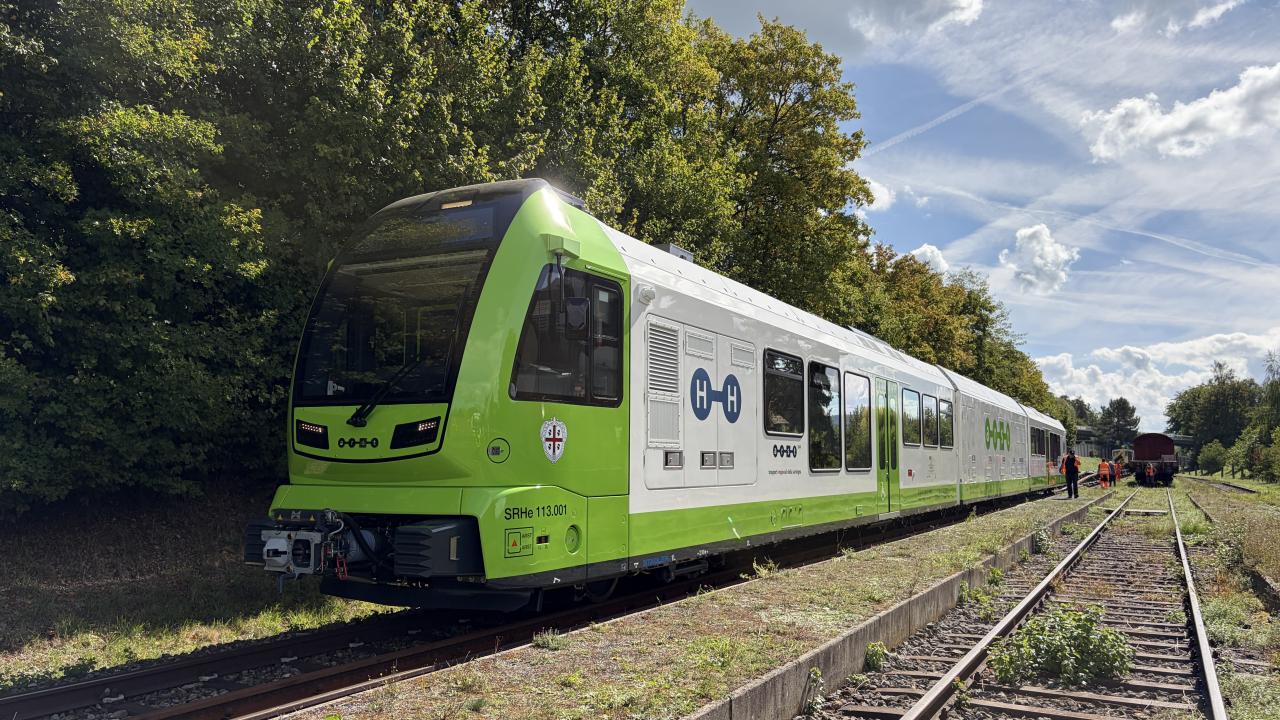
21 Hydrogen Trains Scheduled for Testing
Looking ahead, the new Swiss facility will play a central role in the commissioning of Stadler's growing hydrogen fleet for Italy.
Over the next three years, a total of 21 hydrogen-powered vehicles being built for Sardinia, Calabria and Sicily are expected to undergo testing on the line before entering service.
The project further demonstrates how dedicated test infrastructure can accelerate innovation while reducing commissioning risks for operators adopting emerging zero-emission technologies.
Image and video credits: Stadler & Georg Trub