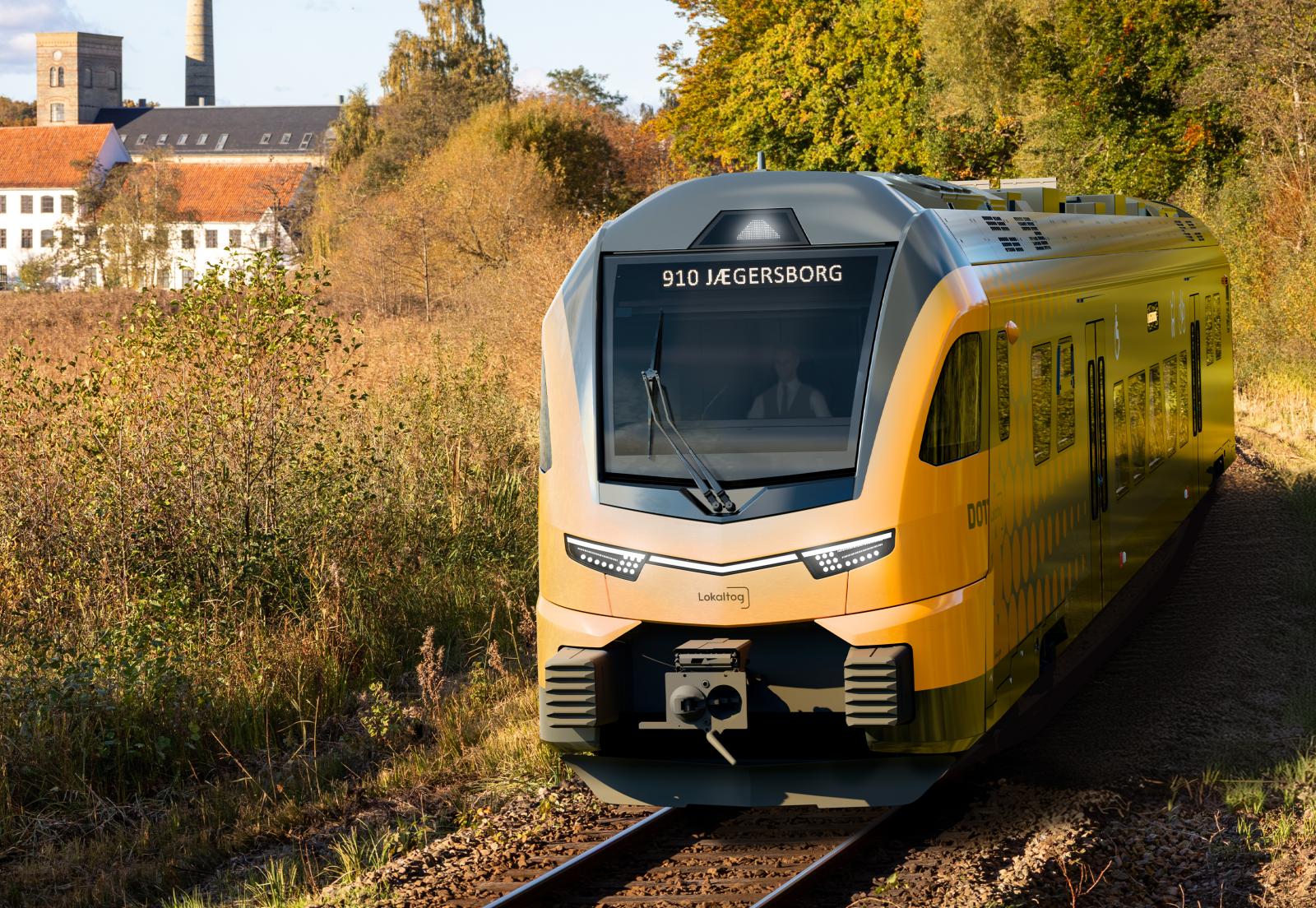

Stadler has secured the first European order for its new RS ZERO battery train platform after Danish operator Lokaltog selected the manufacturer to supply four battery-electric units for the Nærum Line in the northern suburbs of Copenhagen.
The landmark order represents the first commercial deployment of the RS ZERO platform in Europe and highlights growing demand for zero-emission rolling stock on non-electrified regional rail routes.
The four battery-powered trains are expected to enter passenger service in 2031 on the 7.8km Nærumbanen route between Jægersborg and Nærum, replacing the line's existing diesel railcars. The introduction of the new fleet is expected to significantly reduce both carbon emissions and operational noise levels.
“Lokaltog's decision confirms our vision for the RS ZERO. Many regional rail lines across Europe will continue to operate without full electrification in the future. With the RS ZERO, we offer operators an economically viable and environmentally friendly solution to sustainably modernise these routes”, says Ansgar Brockmeyer, Head of Marketing & Sales and Deputy Group CEO.
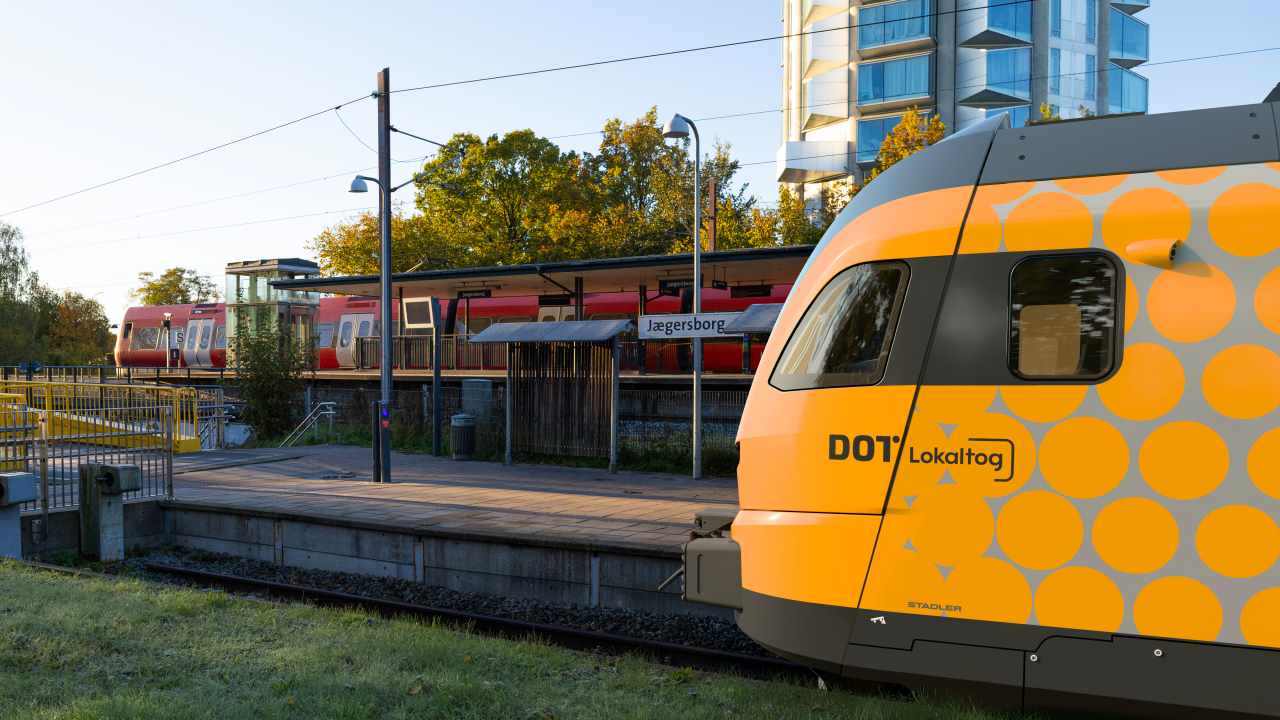
Designed for Non-Electrified Regional Railways
The RS ZERO has been developed specifically for regional rail services operating on routes without overhead electrification. It builds on Stadler's well-established Regio-Shuttle RS1 platform, which has achieved sales of approximately 500 vehicles since its introduction.
For the new generation train, Stadler has integrated proven battery-electric technologies already deployed across its wider portfolio of electric and battery-powered trains. The vehicles for Lokaltog will be manufactured at Stadler's production facility in Berlin, Germany.
Battery-electric trains are increasingly being viewed as a practical decarbonisation solution for regional railway networks, particularly where full route electrification remains financially challenging. They enable operators to eliminate local emissions while avoiding the significant infrastructure costs associated with installing continuous overhead line equipment.
According to Lokaltog, the introduction of the RS ZERO fleet on the Nærum Line could reduce annual CO₂ emissions by approximately 800 tonnes compared with existing diesel operations. The operator estimates this is equivalent to the annual carbon absorption of around 80,000 trees.
Integrated Charging Solution Included
As part of the project, Stadler will work alongside Swiss railway electrification specialist Furrer+Frey to deliver both the rolling stock and associated charging infrastructure.
Furrer+Frey will provide the charging and energy supply systems required to support battery operations, allowing the trains to operate efficiently on a route without continuous electrification.
The partnership has already delivered similar battery train charging solutions in both Germany and France, providing a proven foundation for the Danish project.
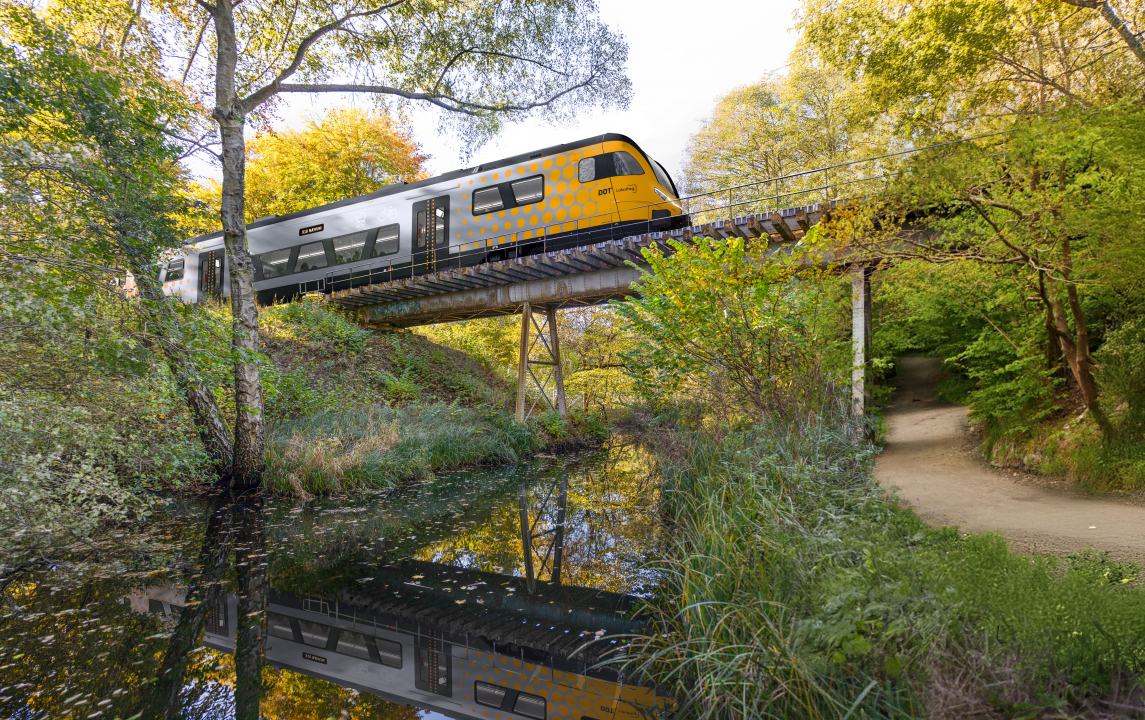
Growing Battery Train Fleet in Denmark
The latest order further strengthens the relationship between Lokaltog and Stadler.
The Danish operator has already placed an order for 24 FLIRT Akku battery-electric trains, which are due to enter service between 2028 and 2029 on the Østbanen, Tølløsebanen and Odsherredsbanen routes.
The RS ZERO contract is expected to be formally signed in early 2027, subject to approval by the relevant regional councils, with passenger services planned to commence during the first half of 2031.
RS ZERO at a Glance
- First commercial order secured in Europe
- New battery and hydrogen-powered regional train platform
- Based on the proven Regio-Shuttle RS1 family, with around 500 vehicles sold
- Incorporates established battery and electric train technologies from Stadler
- Designed specifically for non-electrified regional rail routes
Image credits: Stadler