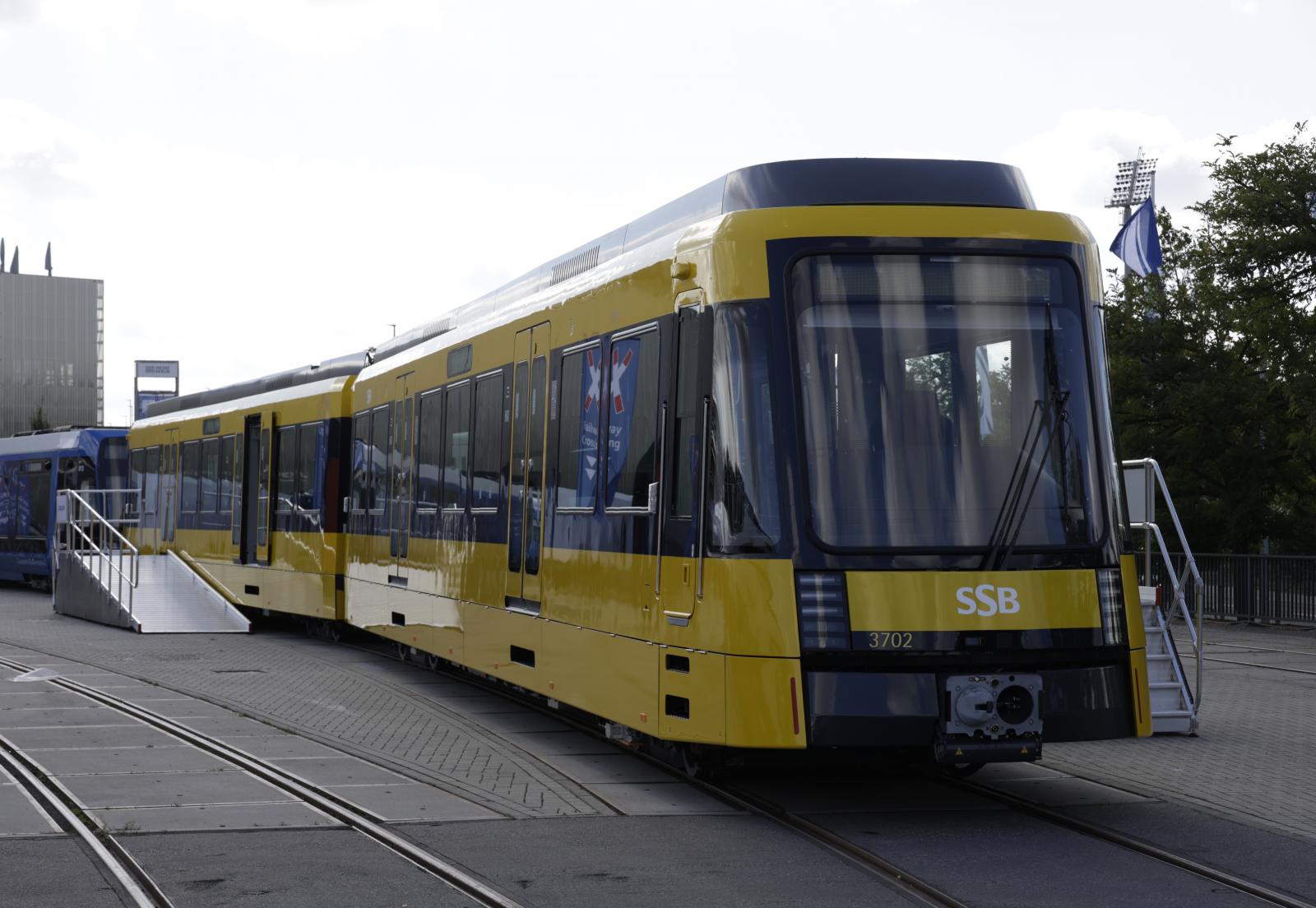
Stuttgarter Straßenbahnen AG (SSB) and Stadler have unveiled the first vehicle in a new generation of bespoke light rail vehicles designed specifically for Stuttgart, combining enhanced passenger comfort, accessibility and operational performance.
The new S-DT8.16 fleet has been developed to meet the unique demands of Stuttgart's steep gradients, underground sections and mixed-traffic operations. Stadler will manufacture a total of 70 vehicles at its Berlin facility as part of the programme.
Designed around feedback from passengers and operators, the next-generation trams represent a significant step forward for Stuttgart’s light rail network, with a focus on accessibility, flexibility and reliability.
Built for Stuttgart’s Challenging Terrain
Stuttgart’s distinctive topography presents challenges rarely encountered by urban rail systems. Equipped with a powerful all-axle drive system, the new vehicles can tackle gradients equivalent to three storeys while maintaining reliable performance across the network, including tunnel operations.
Unlike many conventional light rail vehicles, the S-DT8.16 incorporates all-axle traction as standard, helping to maximise availability and ensure dependable operation in difficult conditions.
Passenger Feedback Shapes New Design
SSB says the design and development process was informed directly by customer feedback, helping to create a vehicle tailored to the needs of modern passengers.
“We have based the development of the new generation of tailor-made light rail vehicles on feedback from our passengers. At the same time, the new vehicles are intended to reflect the continuous evolution of Stuttgart’s fleet. The new series is a striking flagship for the capital of Baden-Württemberg,” emphasises Thomas Moser, Chief Technical Officer and Spokesman for the SSB Executive Board. “We have a long-standing and successful partnership with Stadler.”
The unveiling follows the successful operation of 60 vehicles from the previous generation and three Stadler rack-and-pinion vehicles already in service across the city.
Flexible Operation Across the Network
The bidirectional vehicles have been designed to operate seamlessly on dedicated light rail corridors, street-running sections and underground routes. Modern passenger information systems and advanced driver assistance technologies have also been integrated into the new fleet.
“This technical feature is not standard in the light rail sector. Combining the diverse requirements arising from the city’s topography, passenger expectations, and SSB’s operational needs in a single vehicle was a complex task. However, thanks to the technical expertise of both teams, we have jointly developed a vehicle that provides a future-proof solution for all parties involved,” says Dr Manuela Falter, member of the Projects & Governance Division Management at Stadler Germany.
More Space and Improved Accessibility
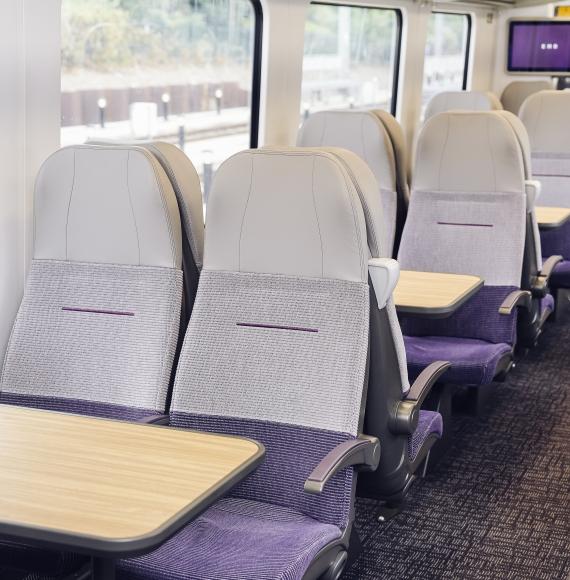
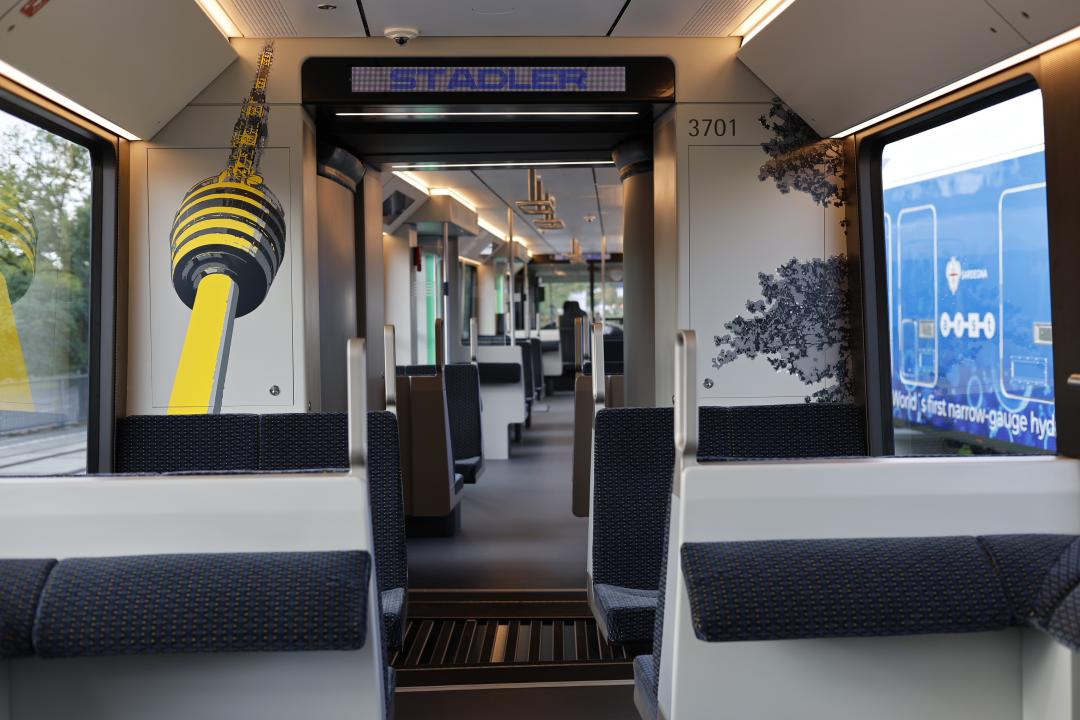
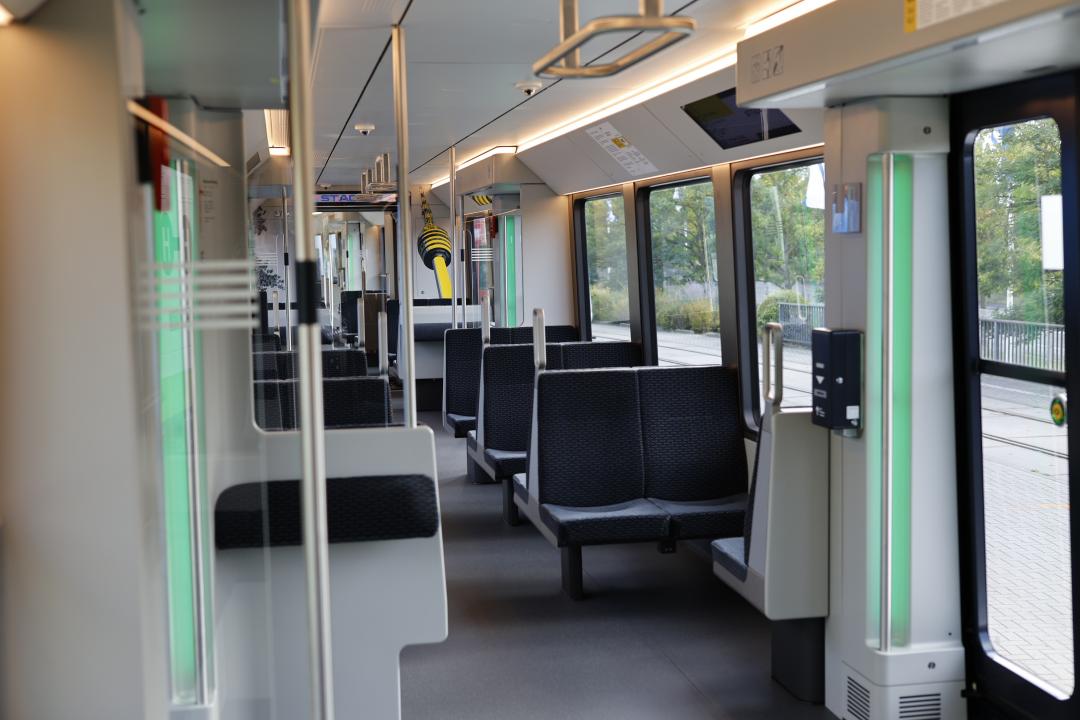
The new trams can accommodate up to 250 passengers and feature a largely open-plan interior designed to improve passenger flow and create a more spacious environment.
Key features include:
- Capacity for up to 250 passengers
- Four multi-purpose areas for wheelchairs, bicycles and pushchairs
- Lower entry heights to improve accessibility
- Enhanced passenger circulation throughout the vehicle
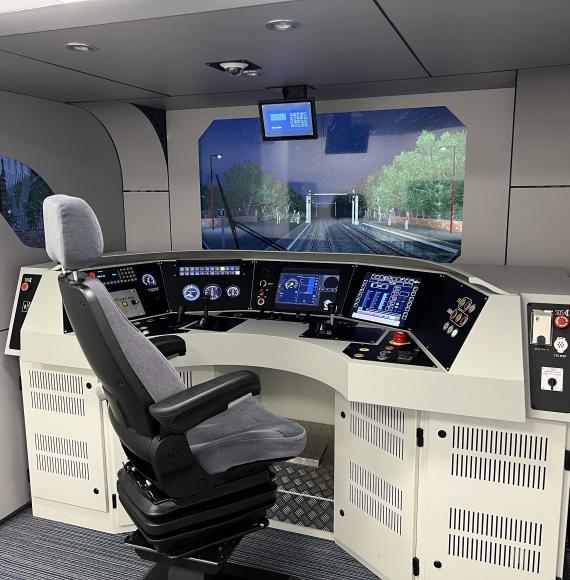
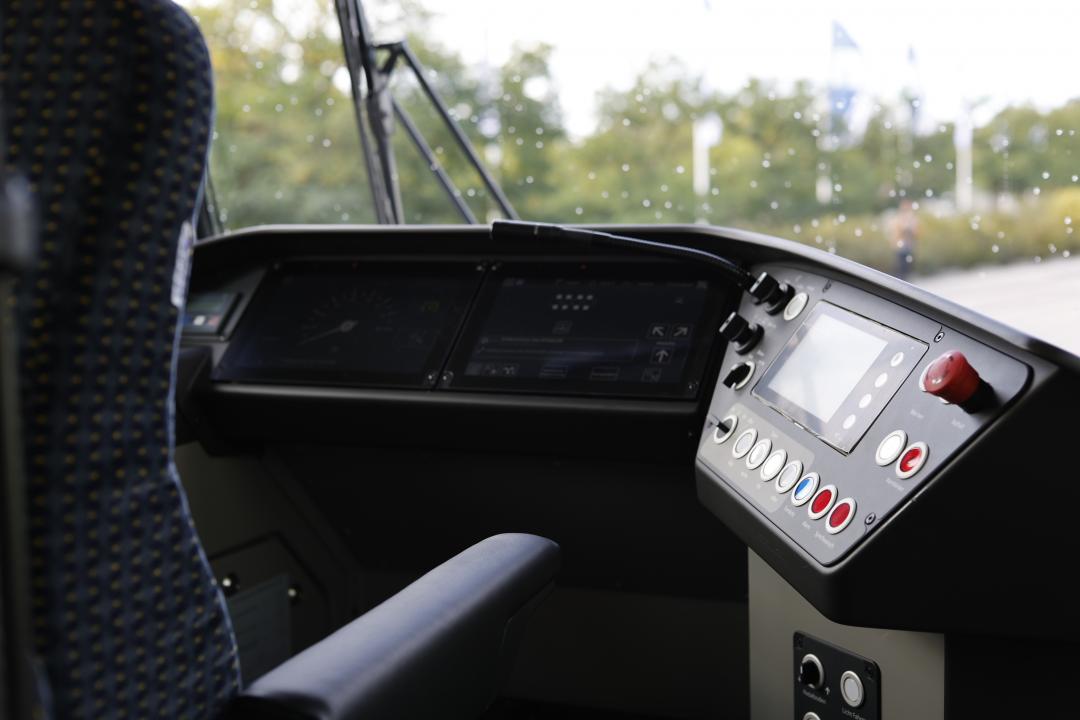
- An optimised driver's cab for improved ergonomics
The combination of accessibility improvements and increased flexibility is expected to deliver a significantly enhanced customer experience across Stuttgart’s growing light rail network.
Award-Winning Design
The new S-DT8.16 vehicles have already attracted international recognition for their design, receiving the German Design Award, Red Dot Award, iF Design Award 2025 and Focus Open Gold 2024.
The awards recognise not only the vehicle’s appearance but also its contribution to passenger comfort, usability and overall travel experience.
As cities continue investing in sustainable public transport, Stuttgart’s latest fleet demonstrates how bespoke vehicle design can successfully balance operational demands, accessibility requirements and passenger expectations.
Image credits: Stadler