Rail has long been much more than a mode of transport. Since its inception, the rail network has become a pillar of economic growth, social connection, and environmental responsibility, the current system sits at a crossroads.
With ageing infrastructure, shifting passenger needs and the urgent demands for decarbonisation, it is vital that decision makers across the sector take the decisive action necessary to drive improvement.
To learn more about the current state of the railway and how it can continue to improve into the future, Rail Technology Magazine hosted the Tracks to Tomorrow: Rebuilding rail for the 21st century online conference, bringing experts from across the rail industry together to pass on their insights.
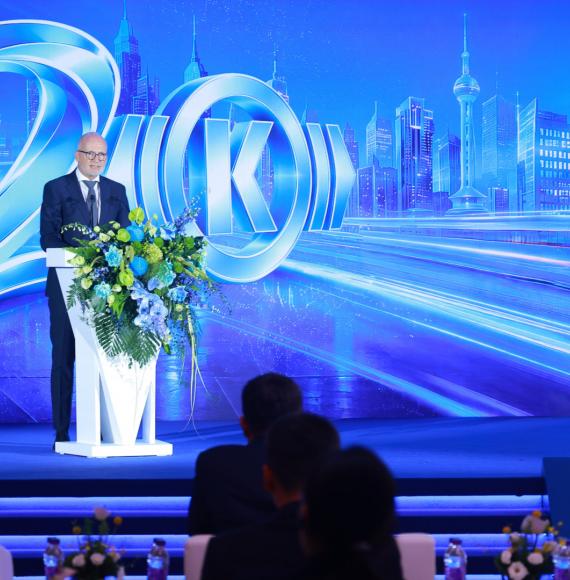
Keynote - Toufic Machnouk, Managing Director, GBRX
Kicking off the day’s discussion was Toufic Machnouk, Managing Director of GBRX. In his keynote, Toufic delved into the pressing challenges and exciting opportunities that lie ahead for the railway industry, particularly in the context of technological innovation and strategic change.
As Toufic highlighted, the rail industry is at a critical juncture, facing issues such as ageing infrastructure, evolving passenger expectations, and climate pressures. However, rather than viewing these challenges as roadblocks, the discussion reframes them as opportunities for growth and transformation. Toufic emphasised the historical context of the railway as a sector that has always thrived on innovation, urging industry stakeholders to embrace their role as custodians of this legacy.
One of the key themes of the keynote was the fragmentation within the rail system, which complicates efforts to implement strategic technologies. Toufic explained that despite the inherent barriers to change, GBRX is dedicated to overcoming these obstacles by driving clarity and convening industry stakeholders. He outlined GBRX's mission to unlock the potential of strategic technology innovation, ensuring that the rail system works effectively for people and communities.
With a significant portion of the workforce approaching retirement, Toufic discussed the need for purposeful capability building and the establishment of apprenticeship programmes to nurture the next generation of rail professionals.
Additionally, the keynote touched on the exciting developments in artificial intelligence and digital signalling, which are set to revolutionise the way the rail network operates. Toufic shares examples of how GBRX is actively working to implement these technologies, ensuring that the UK remains at the forefront of railway innovation.
High-Speed Rail & Regional Connectivity
In the first panel discussion, delegates were able to delve into one of the most pressing questions facing the UK today: how can high-speed rail enhance regional connectivity and reshape the economic landscape? With a panel of experts including Michael Brinkley from Network Rail, Andrew Dixon from Manchester City Council, and Paul Barlow from Southeastern Rail, the discussion offered a comprehensive look at the potential of high-speed rail to knit communities together and boost productivity across the nation.
The conversation began with an examination of the success of high-speed rail in Kent, where the introduction of high-speed services has transformed the region economically. Paul Barlow highlighted a report indicating that Kent has seen a billion pounds in economic generation, showcasing how improved connectivity leads to better job opportunities and access to diverse talent pools. This success story serves as a model for other regions, particularly in the North, where the conversation shifts to the challenges faced by cities like Manchester.
Andrew Dixon shared insights on the Northern Growth Strategy and the importance of connecting key cities such as Liverpool, Manchester, and Leeds. He emphasised that high-speed rail is not merely about faster trains; it’s about creating economic opportunities and fostering place-based growth. The panel discussed the need for a cohesive strategy that integrates various parts of the rail network, making it easier for passengers to travel between regions without the current reliance on London-centric routes.
As the discussion progressed, the experts addressed the complexities of delivering high-speed rail projects in the UK, particularly the legal and regulatory hurdles that often delay progress. Michael Brinkley pointed out that while the infrastructure is crucial, the integration of services and the simplification of interconnecting journeys are equally important for enhancing the overall passenger experience.
The panel concluded with a call for a long-term vision for the UK's rail network, one that prioritises not just speed but also accessibility and community engagement. The panel agreed that investing in high-speed rail is an investment in the future of the nation, one that will yield economic benefits for generations to come.
Smart Rail Systems & Tech Innovation
In the next leaders' debate, we looked into the revolutionary technologies that are currently transforming the rail industry. Experts from Network Rail explored the pressing challenges posed by legacy systems and how modern innovations are paving the way for a more efficient and sustainable future.
One of the most significant barriers to progress in rail transport is the outdated infrastructure that has been in place for decades. Gareth Evans, head of Technology for Network Rail, highlighted the difficulties posed by Victorian railway systems, which are often not well understood and require targeted investment to ensure their longevity. However, this challenge also presents an opportunity for innovation.
Uwaye Soetan, project leader at Network Rail, discussed the importance of data integration. She emphasised that while legacy systems are a reality, integration does not necessarily mean complete replacement. Instead, it can involve enhancing existing systems with modern technology to improve functionality and efficiency.
The conversation shifted to the passenger experience, where AI and predictive analytics are playing a crucial role. Susan Millington pointed out that understanding passenger movements through data can lead to better service delivery, ensuring trains run on time and disruptions are communicated effectively. The integration of real-time information across various domains is essential for enhancing passenger satisfaction.
Sustainability is another key focus, with discussions around the future of energy in rail transport. Julian Ross shared insights on the shift towards battery electric trains, which promise to reduce operational costs and environmental impact. The panel agreed that a data-driven approach is crucial for moving from reactive to predictive maintenance, ultimately leading to lower emissions and a more sustainable railway.
The conversation also touched on the importance of speed in track delivery, with Susan explaining how faster decision-making can lead to fewer delays and a more predictable railway system. Innovation is at the heart of this transformation, with a commitment to modernising standards and practices that have remained unchanged for decades.
Looking to the future, the panel expressed excitement about the potential of technologies like AI, autonomous drones, and renewable energy solutions. These innovations are not just about improving efficiency; they are also about creating a rail system that is safer, more reliable, and better for the environment.
Rethinking Rail Infrastructure
For the third panel discussion of the day, more experts explored the future of UK rail infrastructure. As the railway system faces numerous challenges, including the need for decarbonisation and improved reliability, the discussion highlighted the importance of modernising the infrastructure to meet the demands of both passengers and freight transport.
The panel, featuring Network Rail’s Ian Puckrin, Rebecca Rathore, and Dan Holder, delved into the complexities of upgrading the rail system while minimising disruption for passengers. Ian emphasised the necessity of having contingency plans in place during major infrastructure renewals, as these projects can often lead to significant disruptions in service. Understanding the interface between new and existing infrastructure is crucial to maintaining performance and ensuring a seamless travel experience.
Rebecca Rathore pointed out that the railway is not just an asset but a vital part of the community, serving as a civic space for local populations. She advocated for a holistic approach to infrastructure improvement that integrates various modes of transport, ensuring that the rail network works in harmony with other systems, such as buses and trams. This integration is essential for creating a cohesive transport experience for passengers.
Dan Holder highlighted the shift in passenger behaviour post-COVID, noting an increase in leisure travel compared to traditional commuter patterns. This change necessitates a re-evaluation of how infrastructure upgrades are scheduled, with a focus on minimising disruption during peak leisure travel times. The panel agreed that effective communication strategies are vital for keeping passengers informed during disruptions, which can significantly impact public perception of the rail system.
As the conversation progressed, the experts discussed the role of data in decision-making and the importance of innovative approaches to asset management. With the railway industry facing financial constraints, they stressed the need for efficient use of resources and collaboration with local authorities to unlock funding for future projects.
Financing the Future of Infrastructure
With the rail industry facing unprecedented challenges, particularly in the wake of COVID-19, the need for innovative funding models has never been more pressing. The final session of the conference featured Rob Cook, Andrew Summers, Nicola Machado, and Anna Hart, who came together to share their insights on how we can create a sustainable future for rail.
The pandemic has fundamentally altered the way people use rail, leading to a significant decline in fare revenue. As Anna Hart noted, "We can no longer rely simply on fare revenue to fund the investments we need." This has prompted a shift in thinking about how to finance rail infrastructure, with a focus on alternative funding sources such as third-party investments and innovative models.
One of the key themes discussed was the importance of fiscal devolution. As Andrew Summers pointed out, giving regions a share of national taxes can create the stable funding environment necessary for long-term rail investment. This aligns with the wider goal of creating a more integrated transport network that meets the needs of local communities.
The panel also delved into various international funding examples, such as the successful models used in Hong Kong and Tokyo. These cases illustrate how strong fiscal powers and integrated land and transport planning can lead to sophisticated funding solutions. However, as Anna warned, "We need to be mindful that they may not be applicable directly to the UK."
Private investment plays a crucial role in this landscape. Rob Cook highlighted the need to differentiate between finance and funding, stressing that both are essential for effective investment in rail. The discussion also touched on the potential of public-private partnerships to enhance investment opportunities and drive innovation in the sector.
As the conversation unfolded, it became clear that a collaborative approach is vital. Nicola Machado emphasised the importance of transparency and strategic clarity in engaging with the private sector. By creating a clear front door for investment, stakeholders can work together to unlock the full potential of the railway industry.
To make sure you don’t miss any of the insight that our experts passed on across the entire online conference, watch on demand here.