
Alstom is rolling out an energy-efficiency programme across its UK maintenance facilities after achieving significant reductions in natural gas consumption at two London Underground traincare depots.
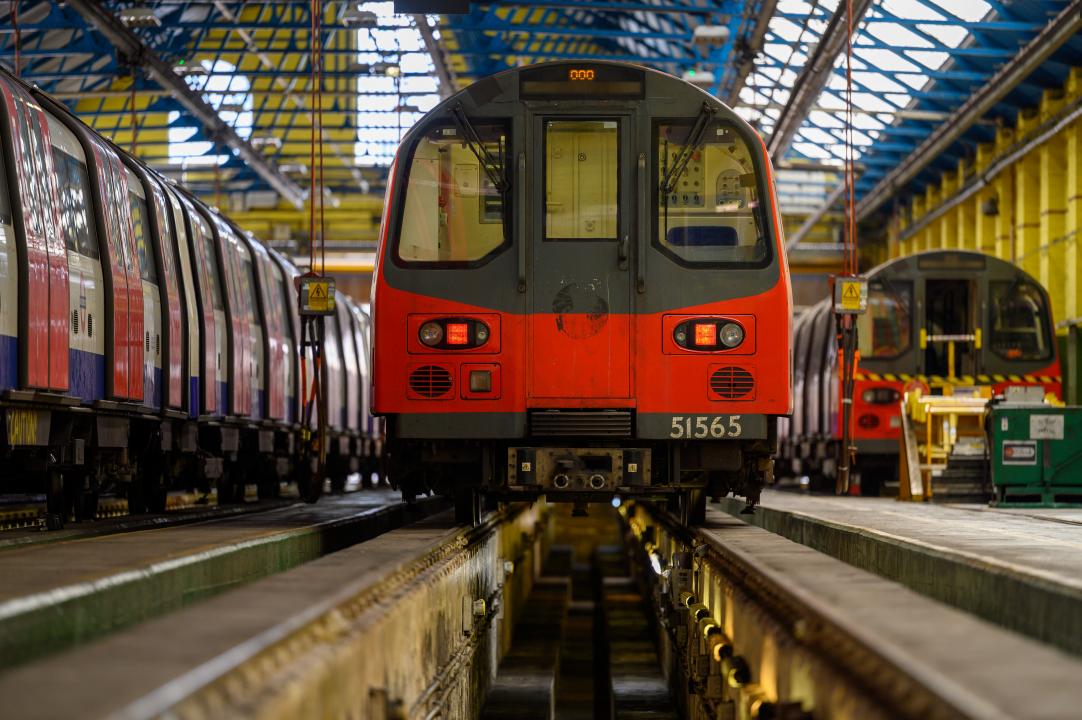
The initiative, implemented at the company’s Golders Green and Morden Traincare Centres, has helped reduce recorded gas consumption by more than a third through a relatively simple engineering solution that links depot door operations directly to heating systems.
The programme supports Alstom's broader sustainability strategy and demonstrates how relatively modest infrastructure upgrades can deliver measurable environmental benefits across existing railway assets.
Smart controls deliver significant savings
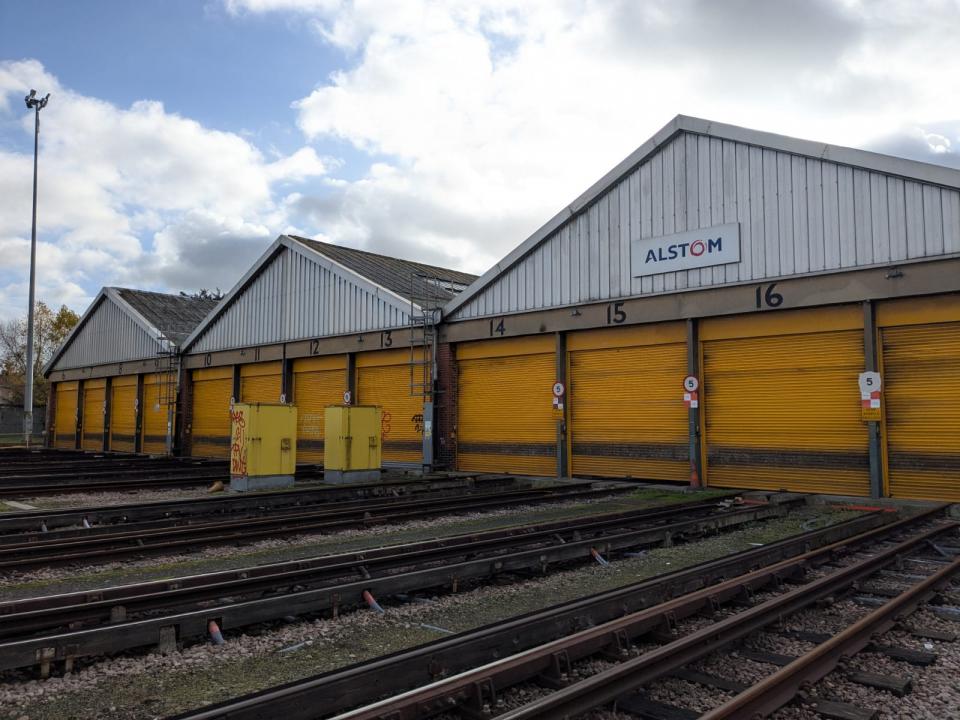
At the heart of the scheme is a hard-wired interlocking system that automatically switches off heating when large train-access doors open and restores it once they are fully closed.
Developed in collaboration with depot teams, the system also includes manual override functionality, allowing staff to maintain operational flexibility while reducing unnecessary energy consumption.
The technology tackles a long-standing challenge in large maintenance facilities, where substantial heat losses can occur when access doors remain open during colder months.
Two successive winters of reduced gas consumption
The results have been particularly notable at Golders Green Traincare Centre.
Following installation in early 2024, recorded gas consumption during the winter of 2024/25 was approximately 30% lower than the site's 2022/23 baseline. During the subsequent winter period in 2025/26, consumption remained around 33% below baseline levels.
Encouraged by those results, Alstom introduced the same technology at Morden Traincare Centre in 2025. During its first winter following installation, recorded gas consumption fell by approximately 37%, dropping from 1.99 GWh to 1.26 GWh compared with the 2022/23 baseline.
Combined, the two sites recorded a reduction of approximately 3.24 GWh of gas consumption across the measured winter periods.
According to Alstom, this equates to around 657 tonnes of CO₂e emissions avoided, comparable to the annual electricity consumption of more than 425 average UK households.
“The results at Golders Green and Morden show what practical engineering can achieve.”
“By targeting a specific source of wasted energy, we are delivering significant and sustained reductions in gas consumption without waiting for major infrastructure replacement,” said Utkarsh Singh, Professional Head of Environment UK at Alstom.
He added: “Our ambition now is to build on what works. As the country’s number one rail services provider, we want measures like these to make a positive contribution across our entire UK footprint.”
Tackling energy waste in historic depot buildings
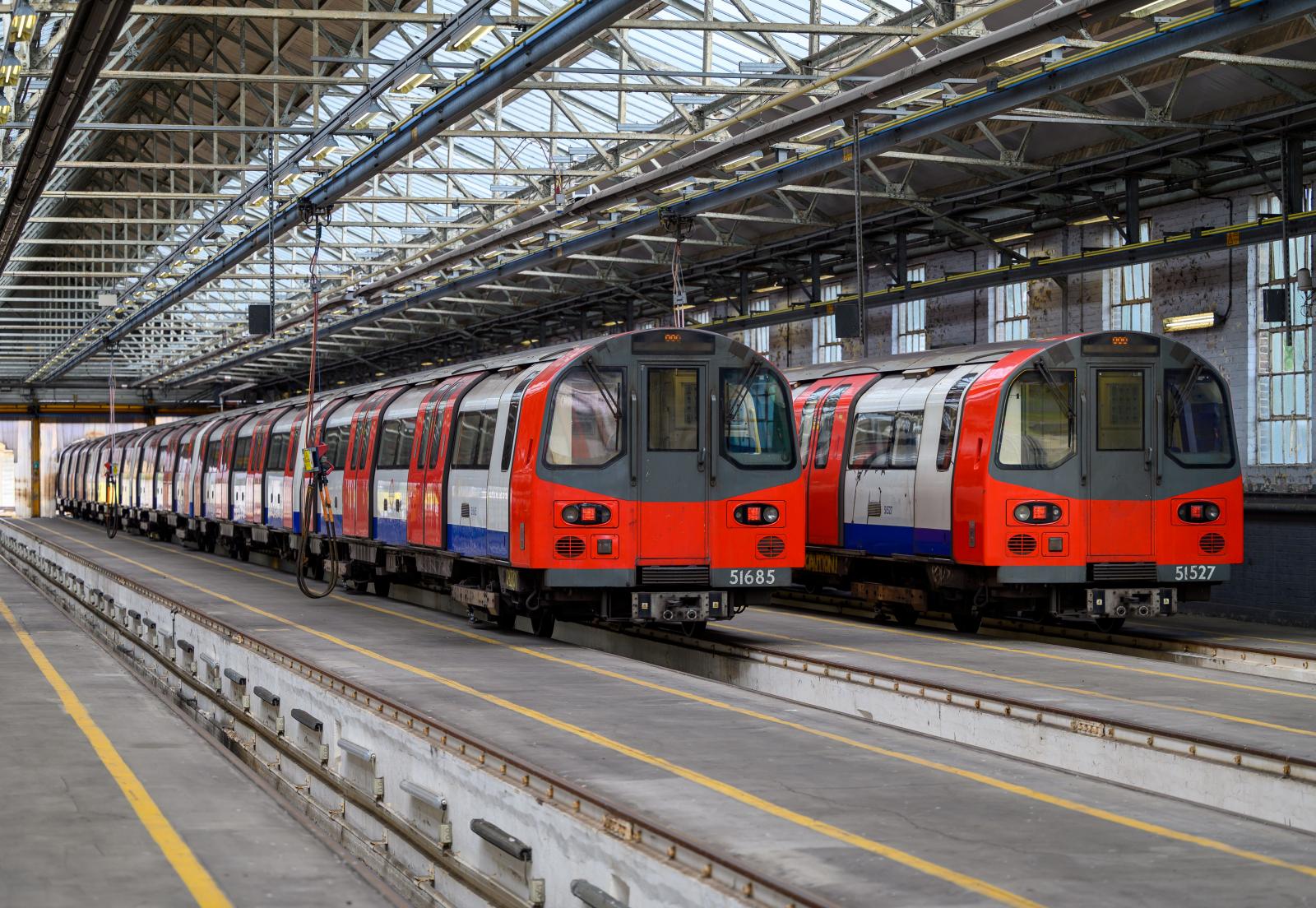
Golders Green and Morden Traincare Centres play a critical role in maintaining the Northern line's fleet of 106 1995 Stock trains.
The depots are substantial maintenance facilities, stretching to around 180 metres in length and featuring high ceilings, multiple tracks and large access doors that are frequently opened throughout the day.
By preventing heating systems from operating while doors are open, Alstom has been able to address one of the most significant sources of avoidable energy loss within the buildings.
The company plans to install the technology at Wembley Traincare Centre before the end of 2026, with additional UK sites expected to follow during 2027.
Performance data will continue to be monitored as the system is deployed across depots with differing layouts and operational requirements.
Supporting wider sustainability goals
The depot programme forms part of Alstom's broader commitment to reducing the environmental impact of its operations globally.
The company reports that greenhouse gas emissions from its own operations and energy use reached 110.9 ktCO₂e in 2025/26, representing a 52% reduction against the relevant baseline. Alstom also states that all of its operations are powered by renewable electricity.
Its science-based environmental targets include a 40% absolute reduction in Scope 1 and Scope 2 greenhouse gas emissions by 2030, measured against a 2021/22 baseline, alongside a longer-term objective of achieving net-zero emissions by 2050.
In the UK, those ambitions are reflected through initiatives ranging from the development of Britain's first mainline battery-electric trains to energy-efficiency improvements at maintenance facilities.
The success of the depot interlocking programme highlights how targeted engineering interventions can deliver immediate carbon and energy savings while extending the value of existing railway infrastructure.
Image credits: Alstom – Nick Robinson, Neil Schofield, James Hughes