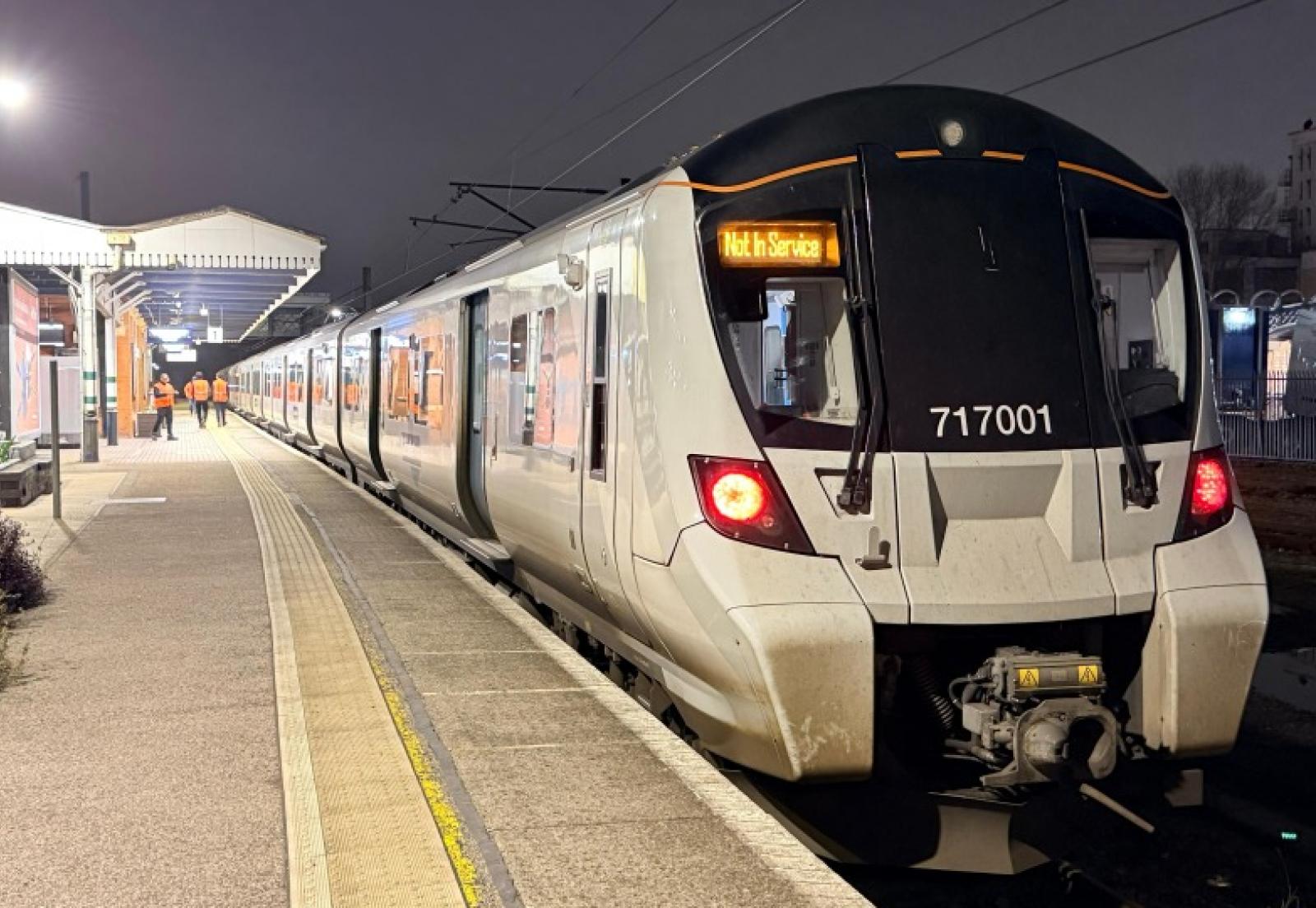

Britain’s railway has reached a major technological milestone with the first-ever mainline test of quantum inertial navigation, a frontier technology that could dramatically enhance the accuracy, resilience and cost‑efficiency of train positioning across the national rail network.
Quantum inertial navigation employs ultra‑sensitive sensors capable of detecting extremely subtle changes in motion and rotation—without relying on external signals such as GPS. This means trains could retain precise positional awareness even in satellite‑denied environments including tunnels, dense urban infrastructure, or areas impacted by signal interference.
The technology is being explored as a future alternative to fixed trackside infrastructure, offering the potential to reduce maintenance costs, avoid disruption caused by equipment failures, and create a more resilient digital railway.
World-first mainline test completed
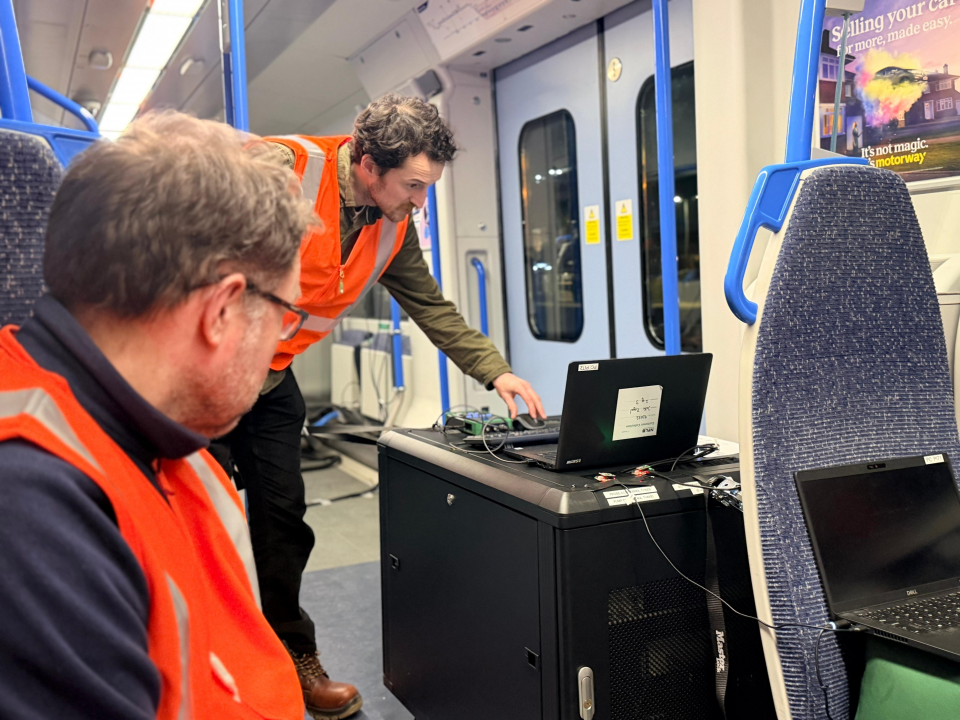
A Rail Quantum Inertial Navigation System (RQINS) has now been tested on a live mainline route for the first time anywhere in the world. The system travelled onboard a Great Northern service operated by Govia Thameslink Railway (GTR) between central London and Welwyn Garden City on Tuesday 3 March. The trial generated real‑world data to help engineers assess how quantum positioning performs within the operational complexity of a national railway.
This builds on earlier work by the Ministry of Defence and trials on Transport for London’s network, moving the technology closer to deployment on the heavy rail system.
A national collaboration driving frontier innovation
The development programme is delivered by a specialist consortium led by MoniRail, working alongside Imperial College London, the University of Sussex, QinetiQ, PA Consulting and the National Physical Laboratory. Support comes from Innovate UK and the Department for Science, Innovation and Technology (DSIT), with coordination from GBRX, the strategic innovation and technology body for Great British Railways.
What leaders are saying
Rail Minister Lord Peter Hendy said:
“For more than two centuries Britain’s railway has forged technologies that have shaped the modern world. The development of quantum inertial navigation continues that legacy. With these new capabilities, we're preventing equipment failures, helping to boost our railway's reliability and keeping passengers moving.
"It's all part of our plan to modernise track and train under Great British Railways, adopting world-leading technology that increases resilience to improve passenger experience while supporting jobs, growth and homes.”
Toufic Machnouk, Managing Director of GBRX, added:
“Developing new technologies within the complexity of a railway network is essential to understanding how frontier technologies can be translated into operational capability.
“Quantum sensing is one of the UK Government’s frontier technological priorities. Railways, as one of the country’s most complex operational systems, provide a powerful platform for developing and scaling these capabilities for rail and beyond.
“This programme begins the process of understanding how quantum positioning could fundamentally reshape how railways work. In the future, it could reduce reliance on costly trackside positioning systems while enabling new capabilities for signalling, improved operational performance, network planning, enhanced condition monitoring and more intelligent railway operations.
“This test represents an early but important step in that development journey and demonstrates how collaboration between government, academia and industry can accelerate the development of frontier technologies.”
Why this matters for the future of Britain’s railway
If successful, quantum positioning could unlock:
- Reduced reliance on expensive trackside equipment
- Greater network resilience in poor-signal environments
- Enhanced performance for signalling, maintenance and operations
- Better data for network planning and condition monitoring
This world‑first trial places the UK at the forefront of quantum technology adoption and demonstrates the sector’s continued capability to drive global rail innovation.
Image credits: Network Rail