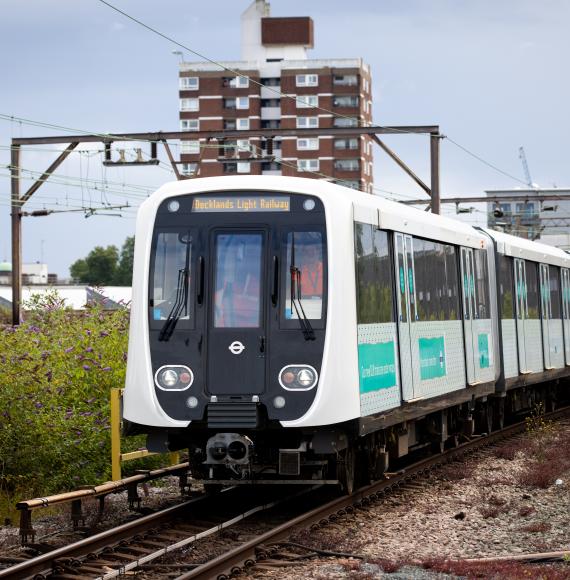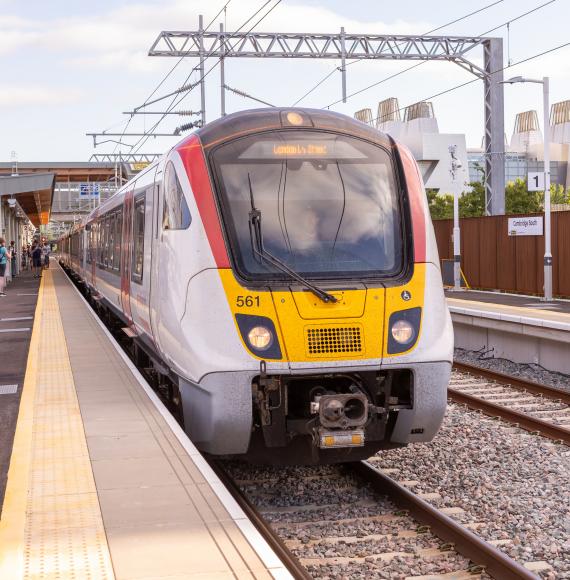

Passengers travelling on c2c and Greater Anglia routes through Essex are being advised to check their journeys before setting off after prolonged hot and dry weather led to speed restrictions and timetable changes across the network.
GBR Anglia has announced temporary timetable amendments on the c2c route from 25 August and on Greater Anglia services between London Liverpool Street and Southend Victoria from 1 September.
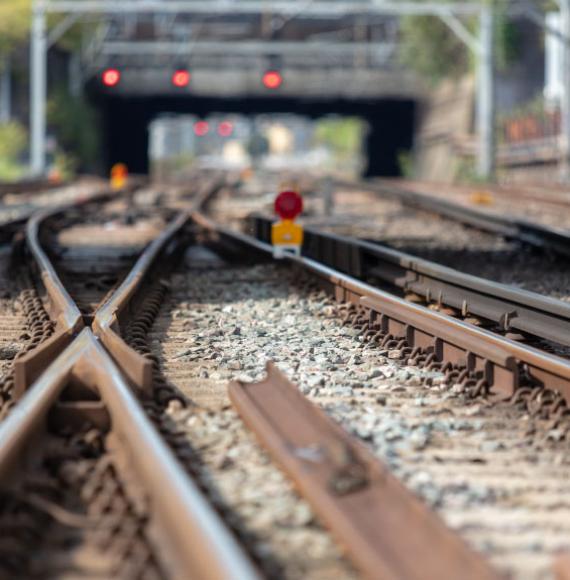
The changes have been introduced following a period of exceptionally high temperatures and low rainfall, which has caused the clay beneath sections of railway infrastructure in Essex to dry out and shrink. The resulting ground movement has affected track quality, requiring trains to operate at reduced speeds in affected areas.
To maintain safe and reliable operations, journey times on some services will increase by between two and eight minutes, with amended departure and arrival times designed to reduce the likelihood of short-notice disruption.
Although Elizabeth line services are not currently affected by speed restrictions, passengers are encouraged to check the latest service information before travelling.
Rail engineers are continuing to monitor conditions across the region, with further restrictions possible if dry weather persists. Any additional timetable changes will be communicated in advance.
Focus on Safety and Reliability
GBR Anglia said the restrictions will remain in place until ground conditions improve sufficiently to allow normal operating speeds to resume.
The move reflects the railway industry's ongoing focus on safety, with Network Rail investing heavily in infrastructure resilience as climate change brings increasingly frequent periods of extreme weather.
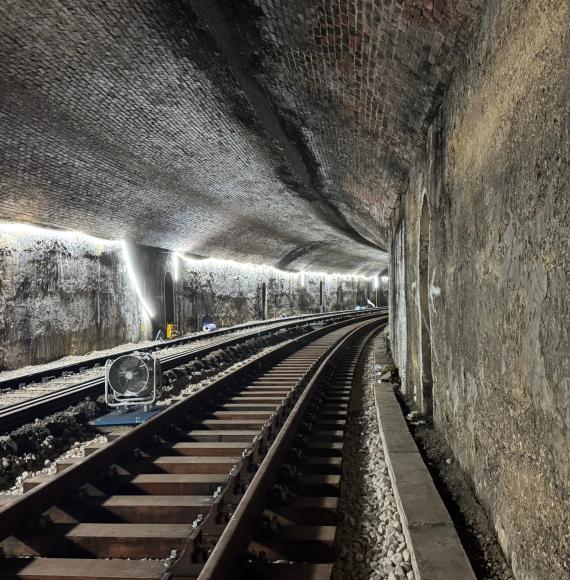
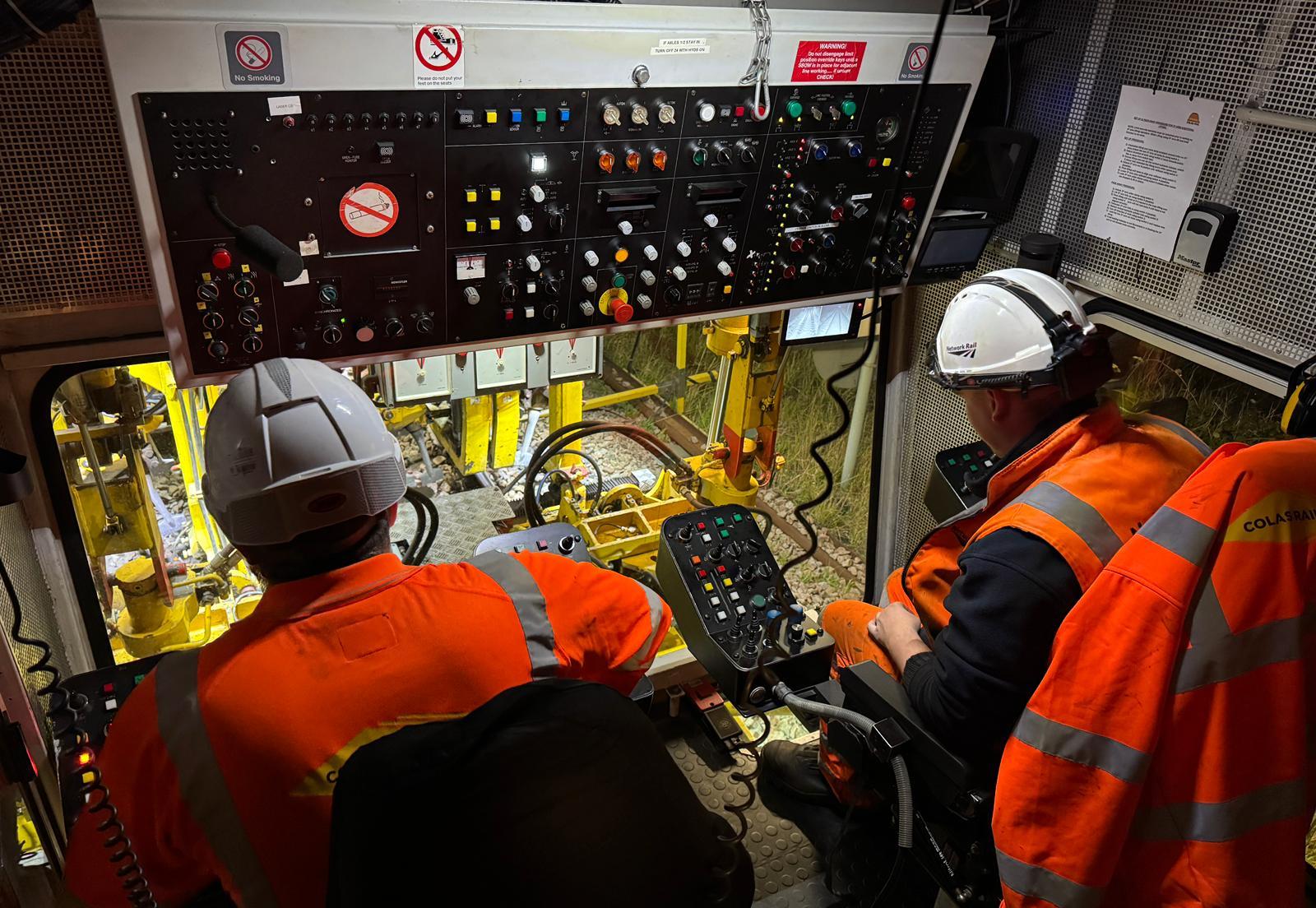
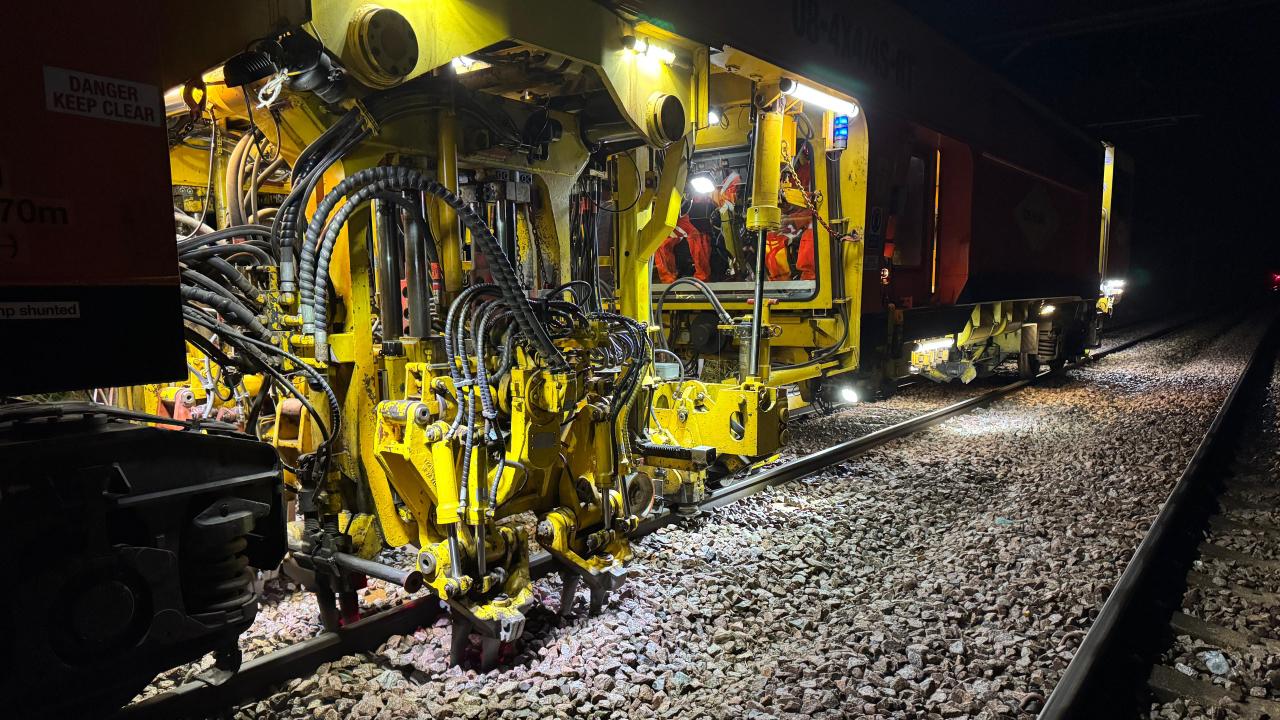
Across the Anglia region, engineers are using specialist tamping machines to restore track stability and improve ride quality, while additional ballast is being installed beneath the track to strengthen the railway's foundations.
Last year alone, around 100 kilometres of railway affected by dried-out ground conditions were treated using tampers. Ahead of this summer, thousands of tonnes of ballast were deployed, with 49,000 tonnes expected to be laid across the Anglia network during 2026.
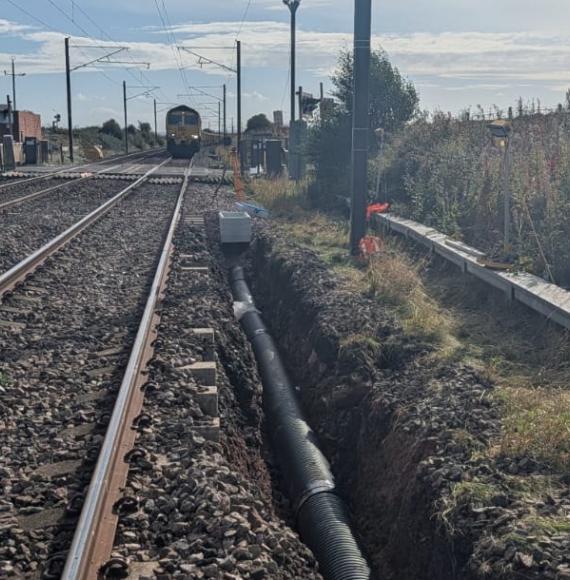
Network Rail's wider resilience programme includes a £2.6 billion investment in track maintenance and renewals, covering drainage upgrades, earthworks, track improvements, overhead line enhancements and advanced monitoring technology designed to identify risks before they impact services.
Industry Response
Martin Beable, Chief Operating Officer for GBR Anglia, said:
“We’re taking action to keep everyone moving safely and reliably while minimising the impact on passengers. Our teams are working together across Anglia to keep running the best possible service despite the significant challenges we’re facing because of this exceptionally hot and dry weather.
"We never want our customers to experience disruption, but safety will always be our priority. Thank you for bearing with us, and please do check before you travel, particularly if you’re used to getting the same time train every day.”
Ongoing Disruption Around Wickford
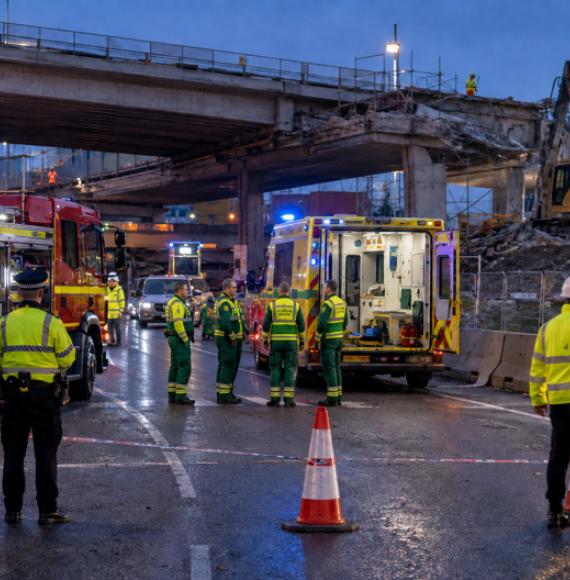
The announcement comes as passengers travelling via Wickford continue to face disruption following the derailment of a Greater Anglia train on 14 August.
The line between Billericay and Hockley remains closed while emergency repairs are carried out to approximately 1.5 miles of railway infrastructure.
Services between London and Southend Victoria are expected to return to normal from 26 August, while replacement buses will continue to operate on the Wickford to Southminster branch until 28 August due to pre-planned engineering work.
GBR Anglia, which brings together c2c, Greater Anglia and Network Rail Anglia under a unified leadership structure, said closer collaboration is helping improve decision-making and service delivery as the railway progresses towards the creation of Great British Railways.
Image credits: Network Rail