Across Europe, railway operators are wrestling with the same competing pressures felt keenly in the UK: rising passenger expectations, decarbonisation targets, constrained capital budgets and the urgent need to modernise ageing fleets at pace. A recent agreement involving Stadler, Thurbo and Hungarian State Railways (MÁV) offers a compelling example of how these challenges can be met through innovative thinking and collaboration.
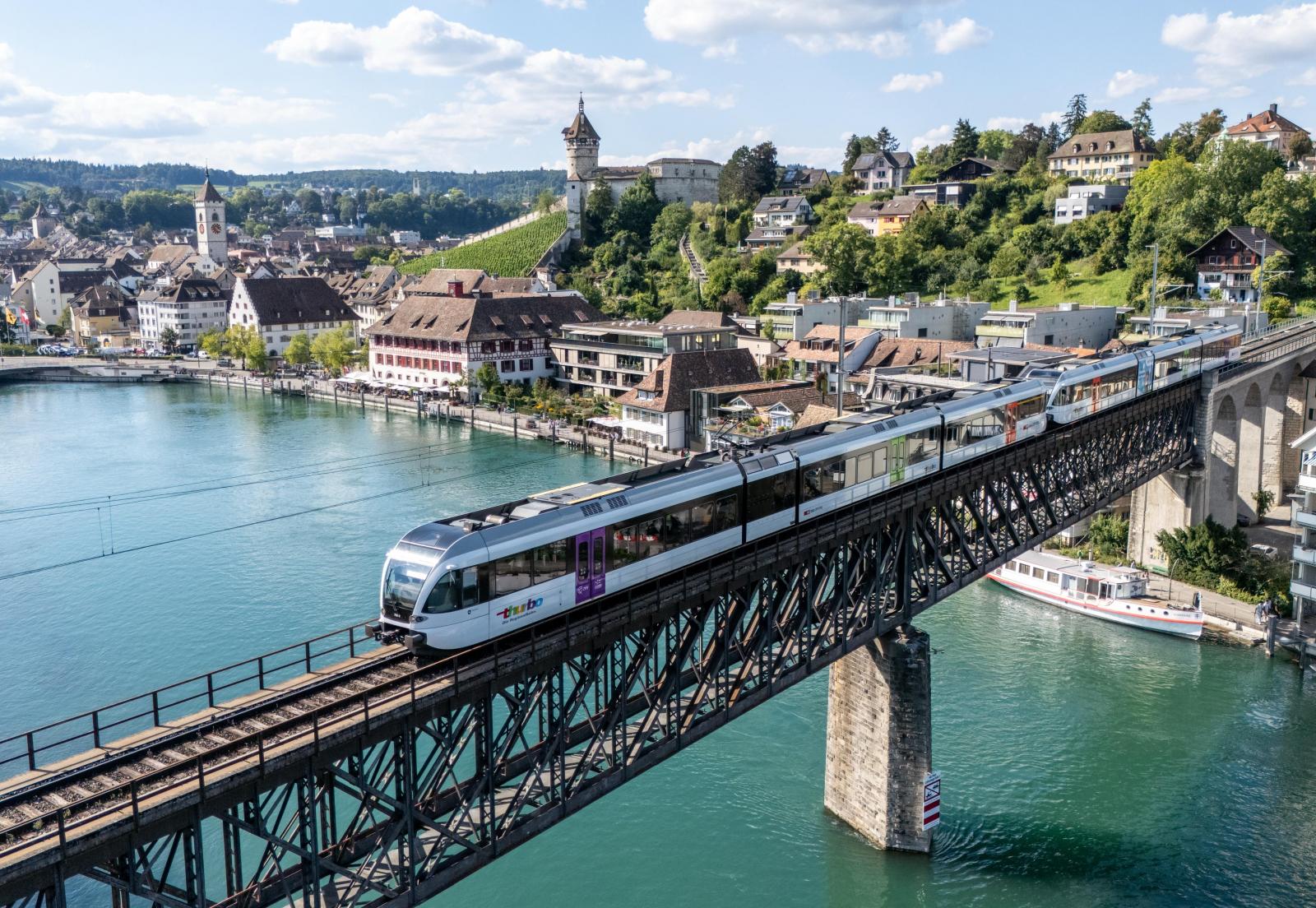
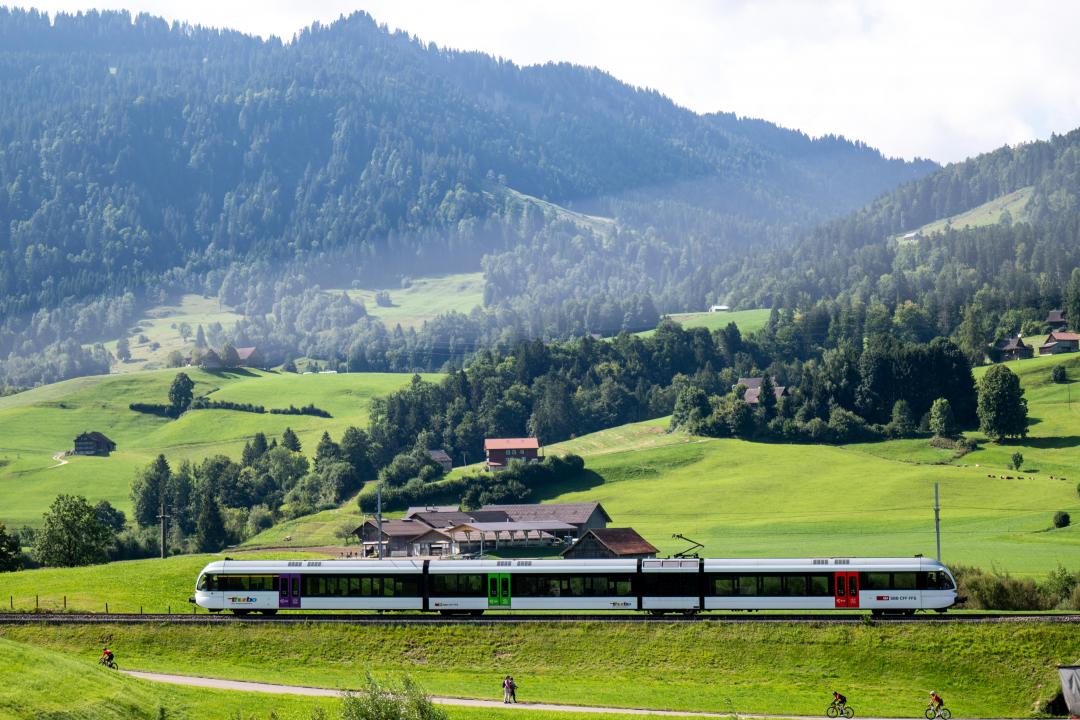
Stadler will comprehensively modernise 93 GTW trains originally operated by Swiss regional railway Thurbo and sell them to Hungarian State Railways, where they will embark on a productive second life. The programme delivers an ecological and financially sustainable solution with tangible benefits for every party involved. For passengers in Hungary, it will ultimately provide 14,000 additional seats, delivered to the same quality standards they have come to expect from the existing Stadler FLIRT fleet already operating across the country.
Meeting Demand Without Waiting for New Builds
Like many state rail operators, Hungarian State Railways faces a significant rolling stock challenge in the coming years. While new trains remain part of its longer‑term strategy, MÁV made clear that second‑hand vehicles could also play a critical role in meeting demand quickly and cost‑effectively.
Following an extensive technical and regulatory assessment, Stadler identified Thurbo’s GTW fleet as a strong candidate for conversion and re‑approval for use on the Hungarian network. This assessment covered conversion requirements, compliance criteria and approval pathways, ensuring the fleet could be adapted without compromising performance or safety.
On the strength of this work, Stadler submitted a proposal to Thurbo to purchase 93 articulated railcars while simultaneously offering MÁV a fully refurbished and reconfigured fleet. After a thorough negotiation process, Stadler and Hungarian State Railways agreed detailed terms and conditions, culminating in a signed sale agreement that now sets the programme in motion.
Faster Capacity and Improved Comfort for Passengers
For operators, time to service is often just as critical as asset quality. By opting for modernised GTWs rather than waiting for new-build vehicles, Hungarian State Railways will be able to introduce additional high-quality capacity far more quickly.
The vehicles will be transferred from Thurbo to Stadler in annual batches between 2027 and 2034. Each train will be adapted specifically to MÁV requirements before re-entering service. Once refurbished, the units will significantly enhance passenger comfort and progressively replace older vehicles in the Hungarian fleet.
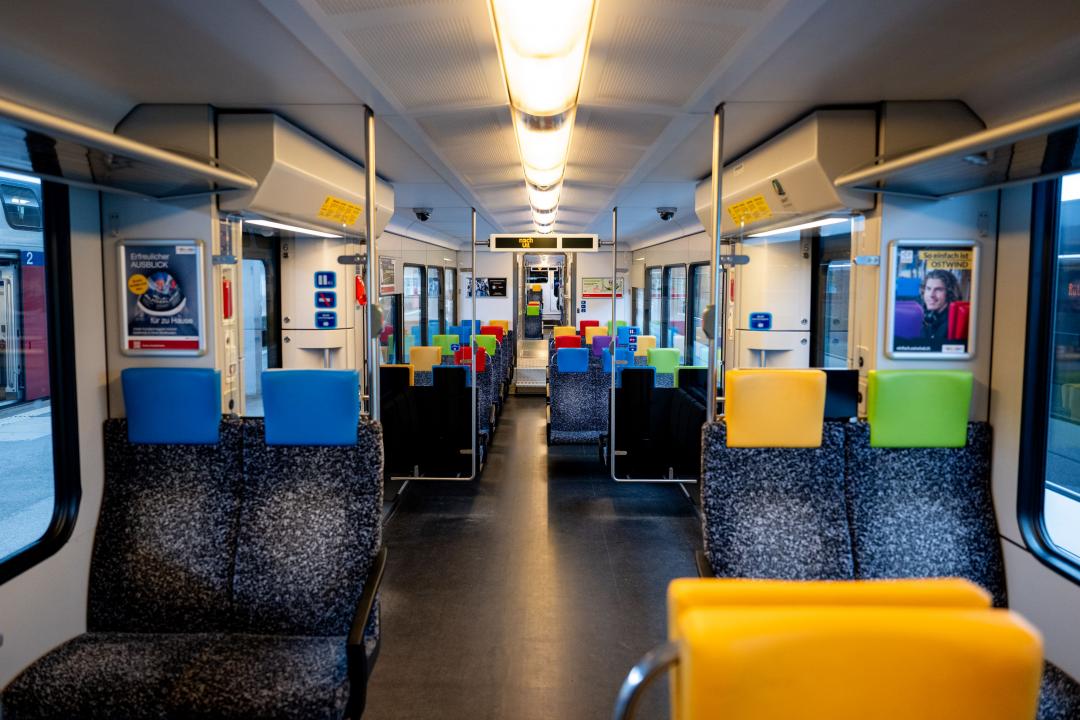
The scope of modifications will be extensive. The trains will be fitted with a new passenger information system, video surveillance equipment and sliding steps optimised for Hungarian platform heights. Drivers will benefit from a new onboard vehicle computer, while safety and interoperability will be assured through the installation of a combined Mirel and ETCS Baseline 4 train protection system.
To ensure compatibility with the national infrastructure, the propulsion system will be converted to operate at 25 kV, matching the standard used across the Hungarian network. Externally and internally, the trains will be refreshed with new livery in MÁV corporate colours and new seat covers, reinforcing both brand consistency and passenger experience.
Modernisation work will take approximately twelve weeks per vehicle. Prototype trains are currently being built in Switzerland, while Stadler is establishing a dedicated service facility in Hungary to support series production and future maintenance.
Sustainability, Skills and a New Business Model
From an industry perspective, the project highlights the growing importance of whole‑life value rather than simple asset replacement. Stadler’s purchase, modernisation and resale of the GTW fleet offers a clear example of how rolling stock can be life‑extended in a way that is both environmentally responsible and economically robust.
Refurbishing and extending the life of relatively modern multiple units represents a competitive alternative to buying new trains, both technically and financially. It also reduces embodied carbon and makes better use of existing assets – objectives that resonate strongly with sustainability goals across the European rail sector, including in the UK.
Notably, the GTW fleet was among the first large series delivered by Stadler over the past two decades. As such, this programme could act as a template for further projects of a similar kind, potentially establishing a new and scalable business model for rolling stock manufacturers and operators alike.
Managing Fleet Transition in Parallel
Thurbo’s GTW fleet originally comprised 110 vehicles. In 2021, the Swiss operator took the strategic decision to replace these units with 107 new FLIRT Evo regional trains from Stadler. As the new fleet enters service, the GTWs will be progressively withdrawn, with full phase‑out planned by 2034.
Image credit: Stadler