UK supply chains are under more pressure than ever before. This means having efficient transport networks to move goods from international ports to warehouses to businesses and consumers across the country is critical.
Moving large volumes of goods successfully can only be achieved when rail freight and road haulage work together. So, let’s take a closer look at the overall process and how the capacity of rail freight combined with the flexibility of road haulage is keeping UK supply chains moving.
How Goods Get From Port to Warehouse
Step 1: Port to Rail
For a lot of products entering the UK from overseas, ships will arrive at a major shipping port before containers are unloaded and transferred either to on-site storage or straight onto onward transport.
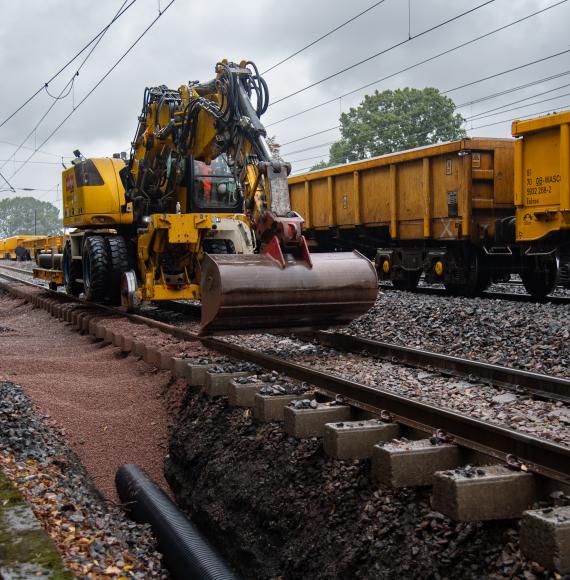
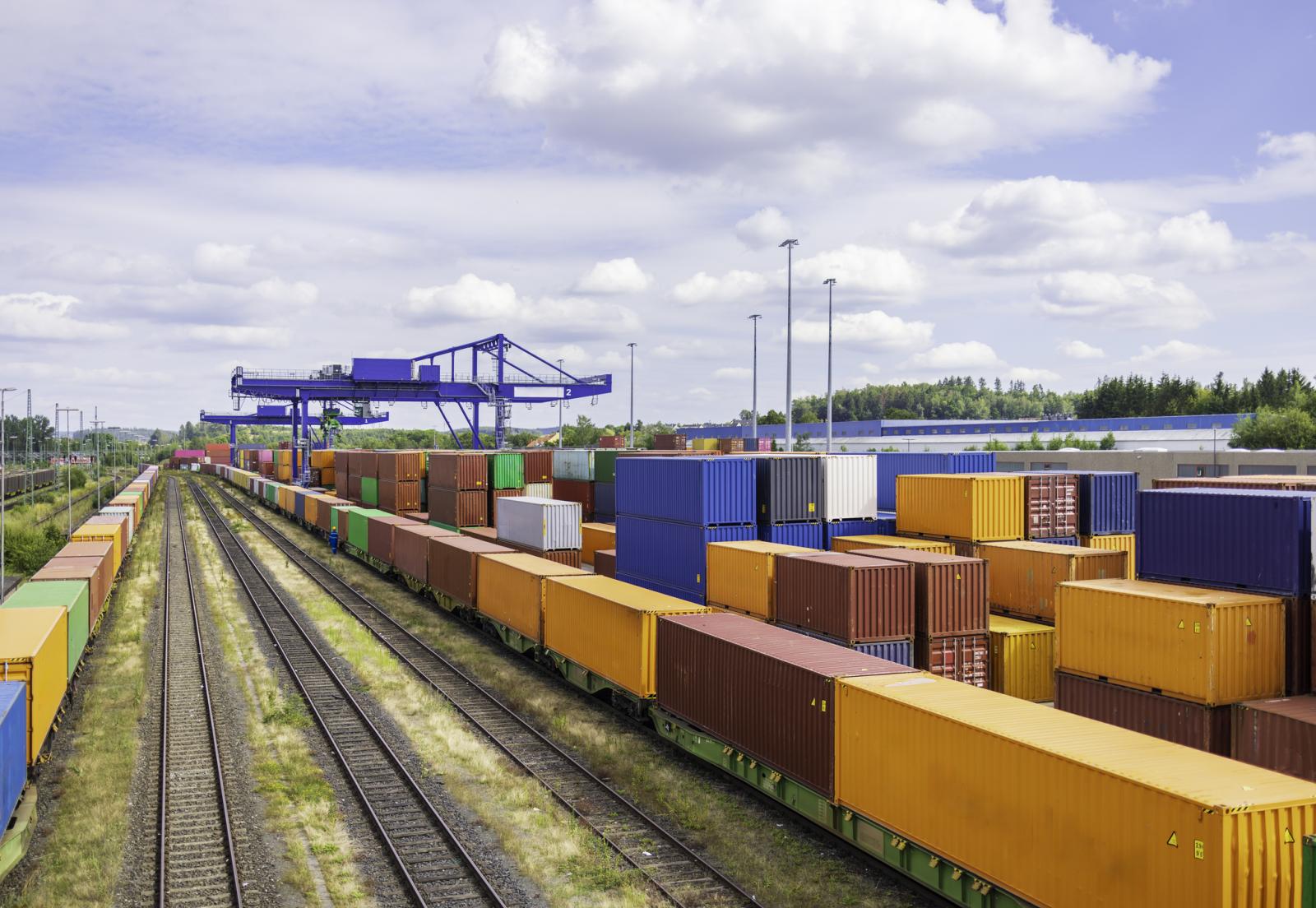
Where there is a rail connection available, containers can be transferred directly onto freight trains, which carry large volumes of goods inland. These travel along established rail routes to reduce congestion on the roads, improve efficiency, and lower transport emissions while carrying dozens of lorry loads.
Step 2: Rail to Road
Rail is highly effective for moving large amounts of goods over long distances, but it can’t reach every warehouse or distribution centre. This is why road haulage is essential.
Once a freight train arrives at its destination, the goods are transferred onto lorries that complete the rest of the journey by road. This offers more flexibility as lorries can access a much wider range of locations with little-to-no issue.
Step 3: Lorry to Warehouse
The final stage of the journey is getting the goods into warehouses or distribution centres.
Deliveries are carefully coordinated to ensure warehouse teams, unloading equipment, and storage space is ready, and the transition from lorry to storage is seamless.
Once in storage, it’s up to the warehouse to manage stock and prepare the goods for their final destination, whether they’re being distributed to retailers, manufacturers, wholesalers, or the customer themselves.
The Relationship Between Rail and Road Can Have a Huge Impact on Efficiency
The process of delivering stock isn’t as simple as transferring goods from one vehicle to another. There is a considerable amount of planning, communication, and coordination between ports, rail freight operators, haulage companies, and warehouse teams. On top of this, haulage companies need to ensure they have the right haulage insurance to protect their vehicles and drivers.
As a result, close collaboration, plenty of communication, and careful consideration are all essential. When done correctly, however, rail and road workers can keep UK supply chains running smoothly.
Image credit: iStock