
The Transport Secretary has instructed HS2 Ltd to identify options that could cut billions from the project’s cost and bring trains into service sooner, as the government pushes for a streamlined, better‑managed high‑speed rail programme.
In a decisive move on Monday 23 March 2026, the government confirmed that HS2 must now focus on reducing complexity and improving efficiency after years of spiralling costs and delays. The instruction forms part of the wider reset of the high‑speed rail scheme aimed at delivering improved passenger capacity, reliability, and economic growth.
Under this reset, HS2 CEO Mark Wild will explore alternative high‑speed railway options, including operating speeds of 300–320km/h, in line with successful models such as HS1, Japan’s Shinkansen, and France’s TGV. The original design for 360km/h — a speed not supported by any existing railway infrastructure worldwide — would have pushed testing back until new track was built, increasing both cost and risk.
These revised speed options, according to HS2 Ltd, would have negligible impact on journey times while allowing earlier testing and faster entry into passenger service.
Government’s Position
Transport Secretary Heidi Alexander stated:
"This Government is determined to deliver HS2 as effectively and efficiently as possible. In doing so, I will look at every opportunity to claw back construction time, save taxpayers money and ensure the project delivers for the country."
She added:
"I share the public’s anger about the waste and mess of the past which is why this Government is pulling HS2 out of its sclerosis and setting it on a more sensible course.
"We're getting a grip, controlling costs, and getting on with delivering the transport infrastructure this country needs."
Alexander’s comments align with recent government pressure on HS2 to produce updated, assured cost and schedule estimates as part of a drive to reduce the project's financial burden.
Progress Under Mark Wild
HS2 reports that 30,000 workers and thousands of UK businesses are currently delivering critical elements of Phase One, with the programme expected to bring £20 billion in economic uplift and unlock 63,000 new homes in West London and the West Midlands over the next decade.
Over the past year, Wild has delivered six major construction milestones ahead of schedule, including:
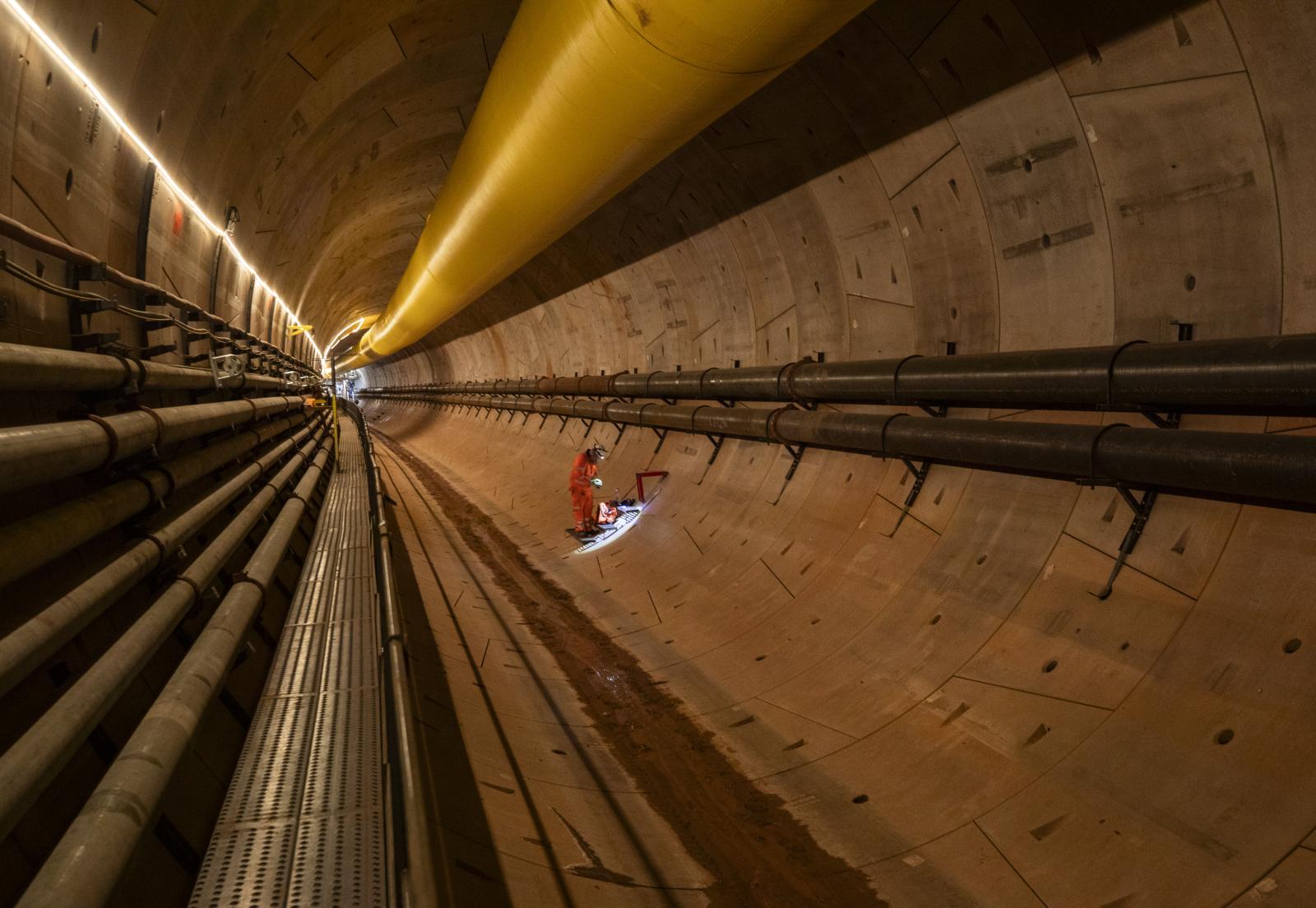
- Completion of the 3.5‑mile Bromford Tunnel, marking the end of excavation for all 23 miles of deep tunnels on the opening stage.
- Sliding a 14,500‑tonne box structure under the A46 — the heaviest of its kind in Europe.
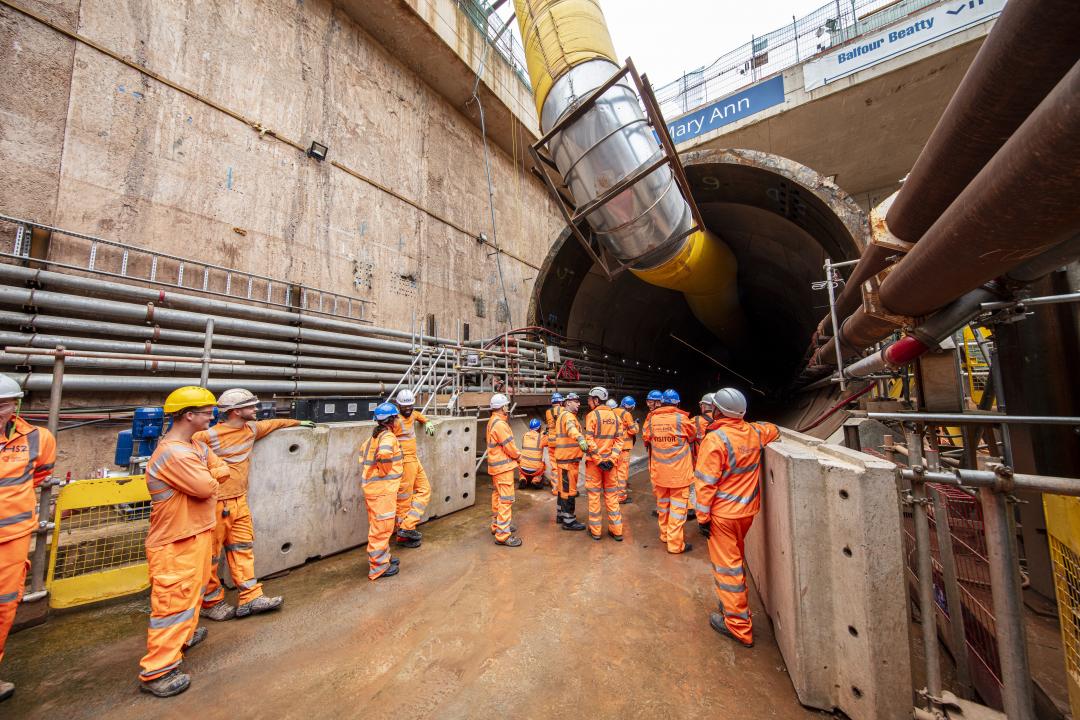
- Completing assembly of two tunnel boring machines at Old Oak Common, enabling excavation of the Euston Tunnel.
- Extraction of the final TBM from the Northolt Tunnel, after completing an 8.4‑mile bore three months early.
- Installation of beams carrying Station Road over HS2 and National Rail at Calvert.
- Completion of the fifth of nine sections of the Greatworth green tunnel, set to become the project’s longest at 2.7km.
These milestones support Wild’s commitment to regaining control of the project.
He said:
"I made a commitment to the Transport Secretary that I would regain control of HS2 and bring an end to the project’s cost increases and delays.
"With performance moving in the right direction, driven by the hard work of 30,000 people on the ground, we are rightly exploring options to create further efficiencies.
"Speed has never been the primary objective. This railway will deliver better journeys, more capacity on the network, and economic growth – all of which are vital to the country’s future prosperity."
Wild will present further recommendations this summer as part of a comprehensive update on HS2’s revised costs and programme timelines.
Image credits: HS2