

Knorr‑Bremse has reached a major milestone in one of North America’s most significant urban rail modernisation programmes, as a large‑scale signalling upgrade for Boston’s metro network moves into its final phase.
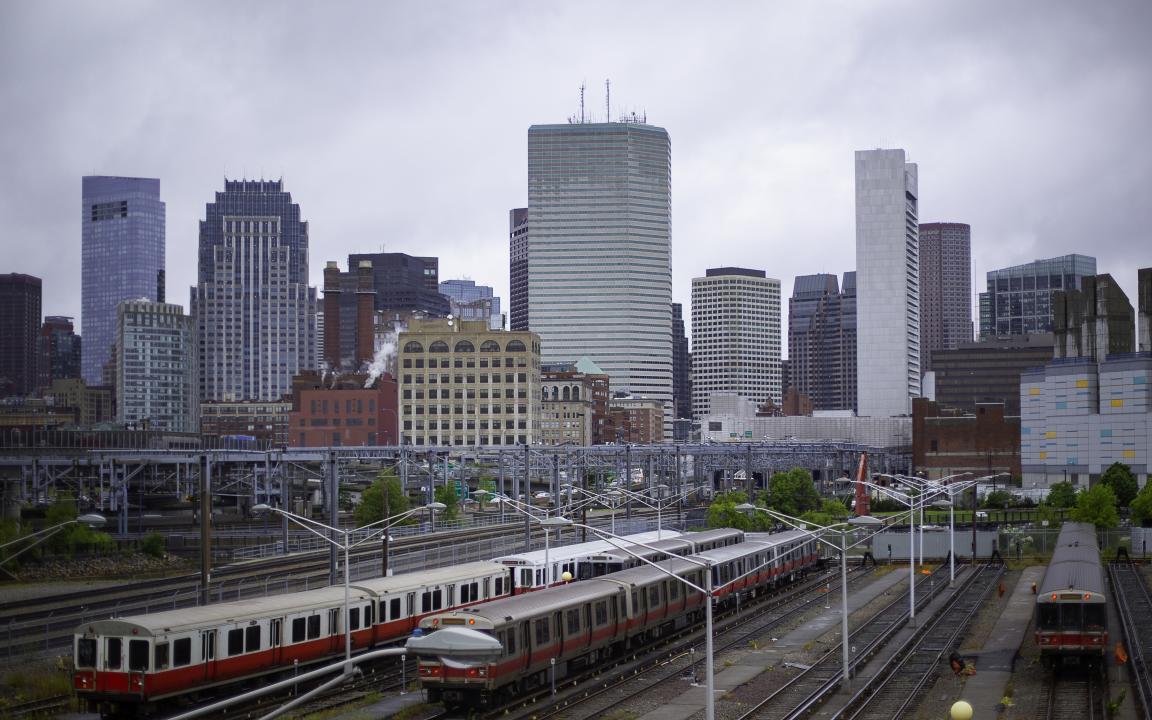
Through its KB Signaling business, Knorr‑Bremse is completing the modernisation of the Massachusetts Bay Transportation Authority’s (MBTA) Red and Orange Lines, helping to transform rail operations across one of the United States’ busiest metropolitan regions. The multi‑year programme, launched in 2019 and valued in the lower triple‑digit million‑euro range, is scheduled for completion by the end of 2026.
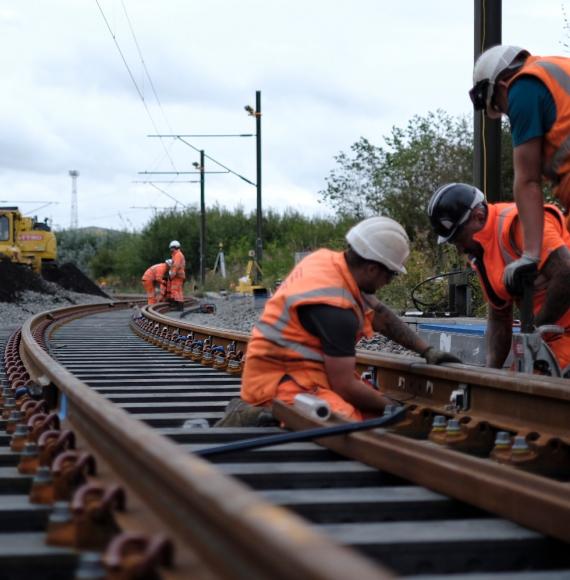
The project has seen the deployment of Knorr‑Bremse’s AFTC5 (Audio Frequency Track Circuit) technology across 26 stations, with more than 800 track circuits already in service. The upgrade is being delivered in carefully managed stages, allowing daily passenger services to continue throughout the works.
Dr. Nicolas Lange, Member of the Executive Board of Knorr Bremse AG with global responsibility for the Rail Division, underlines the strategic importance of signalling within the group’s long‑term rail ambitions:
“Around the world, rail networks are entering a new phase of digitalization and modernization – unlocking growth opportunities for advanced signaling and trackside technologies,” says Dr. Nicolas Lange, Member of the Executive Board of Knorr Bremse AG with global responsibility for the Rail Division. “For Knorr Bremse, signaling and electronics are a cornerstone of our strategic journey toward becoming a Tier 1 systems partner for the entire rail ecosystem. The technologies combine a strong, long term business model with a growing demand for high performance infrastructure solutions. Projects like Boston illustrate how our technologies translate vision into reality – and how we deliver complex programs with a clear focus on our customers.”
Delivering complex signalling upgrades in live operations
For MBTA, the programme represents one of the most extensive signalling modernisation efforts in its network’s history. The successful roll‑out so far demonstrates how legacy infrastructure can be upgraded without requiring wholesale replacement or prolonged service disruption.
Jeff Baker, Managing Director of KB Signaling, highlights the operational complexity of the project and the importance of close collaboration with the operator:
“The modernization of Boston’s Red and Orange Lines – covering 26 stations and now surpassing 800 AFTC5 track circuits in service – represents a major milestone and clearly shows how complex signaling projects can be delivered successfully, step by step, while keeping daily operations running,” says Jeff Baker, Managing Director of KB Signaling. “We are proud to support MBTA as a trusted partner and, together with our local engineering teams, to help advance safer, more reliable, and more efficient rail operations – delivering proven performance even in highly complex urban transit networks.”
A proven platform for US rail modernisation
Boston is not an isolated case. Knorr‑Bremse’s AFTC5 platform is already being deployed as part of long‑term signalling transformation programmes in other major US cities, including Los Angeles and Chicago. In each case, the technology enables a gradual shift away from ageing, analogue trackside equipment towards digital, intelligent architectures.
This step‑by‑step approach allows operators to modernise safety‑critical systems while maintaining service availability — a model increasingly relevant to rail authorities facing growing passenger demand and constrained funding.
Digital foundations for safer, higher‑capacity railways
At the core of the programme is the AFTC5 Audio Frequency Track Circuit, which marks a decisive transition from traditional signalling solutions to a fully digital generation. By transmitting audio‑frequency signals directly through the rails, the system enables highly reliable train detection and supports the data‑based exchange of safety‑critical information, including train speed commands.
The result is precise train positioning, dependable track clearance and safe train separation — providing the foundation for safer, more efficient and higher‑performance rail operations across one of the United States’ most important urban transit systems.
For UK and European rail leaders, the Boston programme offers a clear illustration of how large‑scale signalling upgrades can be delivered incrementally, digitally and without taking networks out of service — lessons that are increasingly relevant as ageing infrastructure meets rising operational expectations.
Image credits: iStock