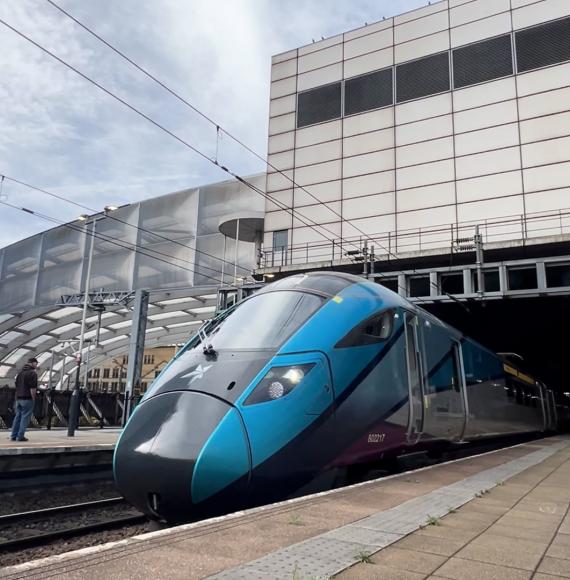
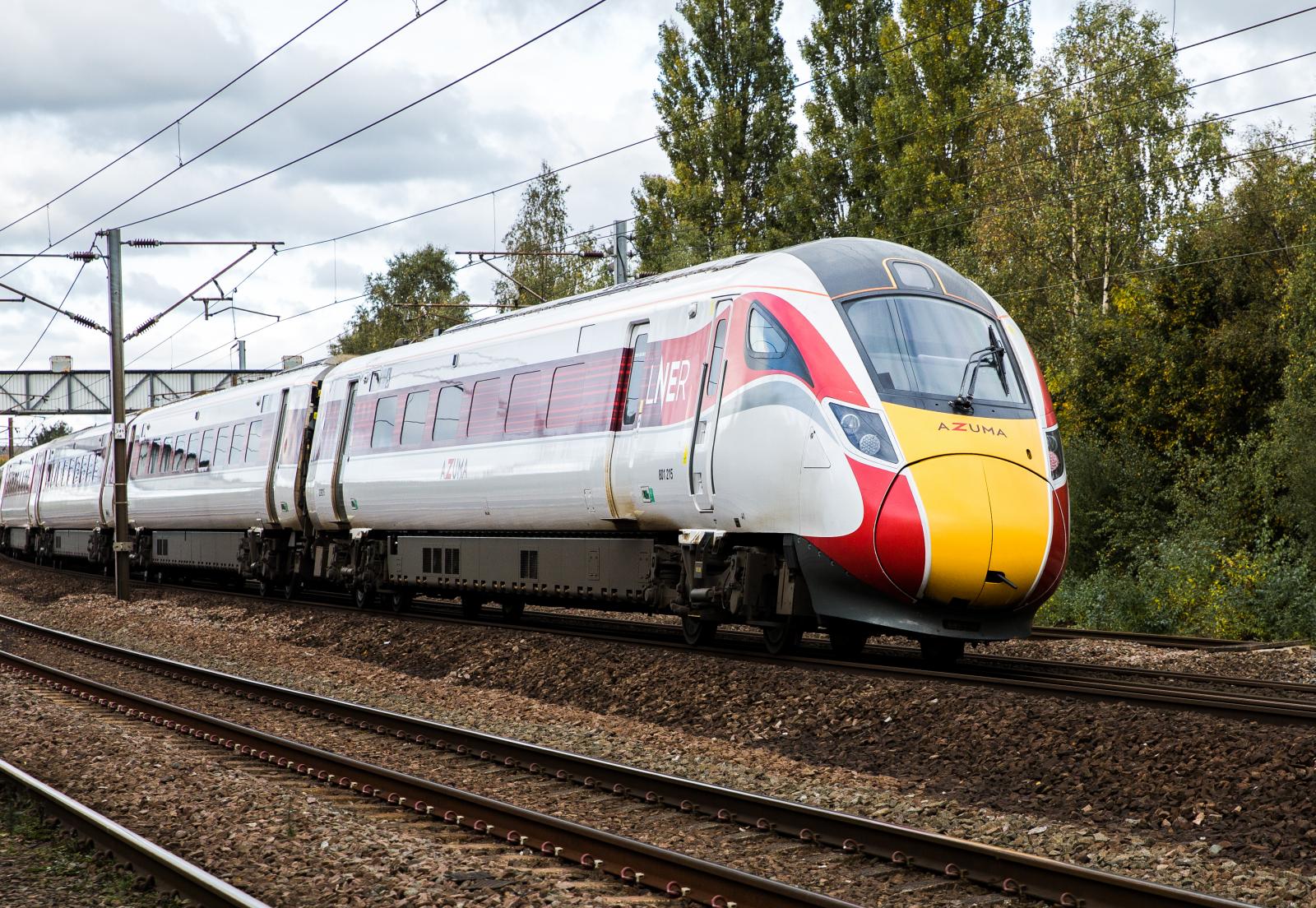
LNER has reduced its carbon emissions by nine per cent over the past year, despite a significant increase in passenger numbers and service levels across the East Coast Main Line.
The rail operator recorded more than 25 million customer journeys on services running between London King’s Cross and the Scottish Highlands, reinforcing rail's position as one of the most sustainable forms of long-distance travel in the UK.
The reduction in emissions comes at a time of continued growth for the business. In December 2025, LNER introduced a new timetable that added more than 10,000 services annually and created an additional 60,000 seats every week for passengers travelling on the East Coast Main Line.
According to the latest figures, the increase in services has not led to a rise in carbon emissions. Instead, emissions have fallen thanks largely to 96 per cent of LNER train miles being powered by electric overhead lines, alongside ongoing investment in energy-efficient infrastructure across the network.
The operator has also continued to improve the environmental performance of its stations, offices and wider estate. Measures including the installation of heat pumps and solar panels across the route, combined with the continuing decarbonisation of the UK's electricity grid, have contributed to the reduction.
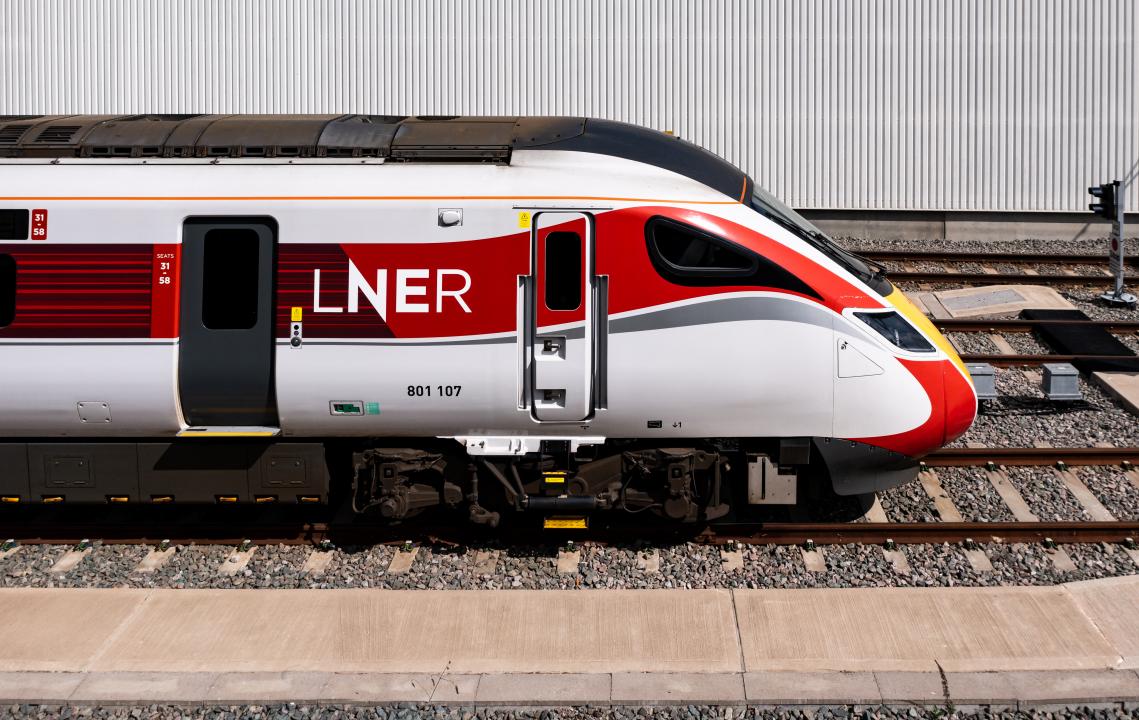
The results mark further progress towards LNER’s ambition of achieving net-zero carbon emissions by 2045, five years ahead of the UK Government’s national target. The commitment forms part of the company’s wider responsible business strategy and its efforts to ensure rail remains one of the greenest travel options available.
The announcement coincides with the publication of new independent research commissioned by the Rail Delivery Group (RDG), which challenges the long-standing perception that domestic flights are the best option for long-distance travel in Great Britain.
The research found that rail travel produces 85 per cent less CO₂ per passenger than flying, while also offering travellers an average saving of £147 per journey. In addition, passengers travelling by rail gained approximately three additional hours of productive time compared with those flying.
Stuart Thomas, Chair of the LNER Responsible Business Steering Group, said:
"At LNER, we take great pride in the progress we're making to reduce our environmental impact and help keep rail as one of the more sustainable ways to travel. Our teams work incredibly hard to make this possible, and it's particularly pleasing that even though we are operating around 10,000 services a year in our new timetable, we've continued to reduce our carbon footprint. It's evidence that we can deliver more journeys for our customers while staying firmly focused on our journey to net zero."
As passenger demand continues to grow, LNER’s latest results demonstrate that increasing capacity and reducing environmental impact are not mutually exclusive. For the wider rail sector, the figures offer further evidence that investment in electrification and cleaner infrastructure can deliver tangible sustainability benefits while supporting future growth.
Image credits: iStock