Passengers using Leeds Station are set to benefit from significantly improved journeys after the Government announced an additional £200 million investment to accelerate a major transformation of one of the busiest stations in the UK.
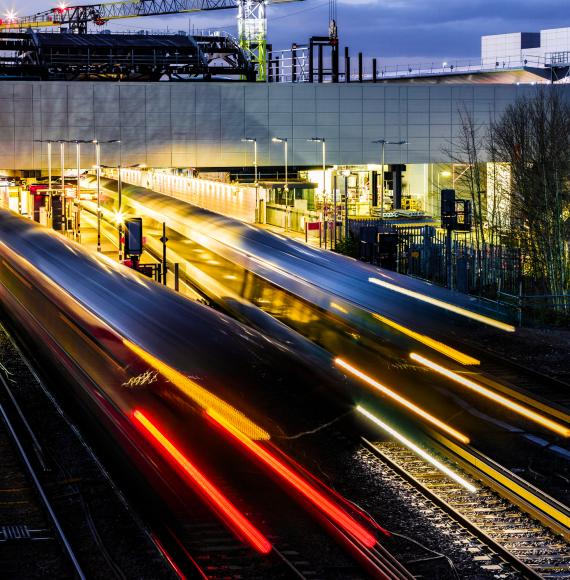
The funding, unveiled during the Budget, takes the total investment in the station redevelopment to £300 million and will support a package of upgrades designed to increase capacity, improve accessibility and reduce congestion ahead of anticipated passenger growth across West Yorkshire.
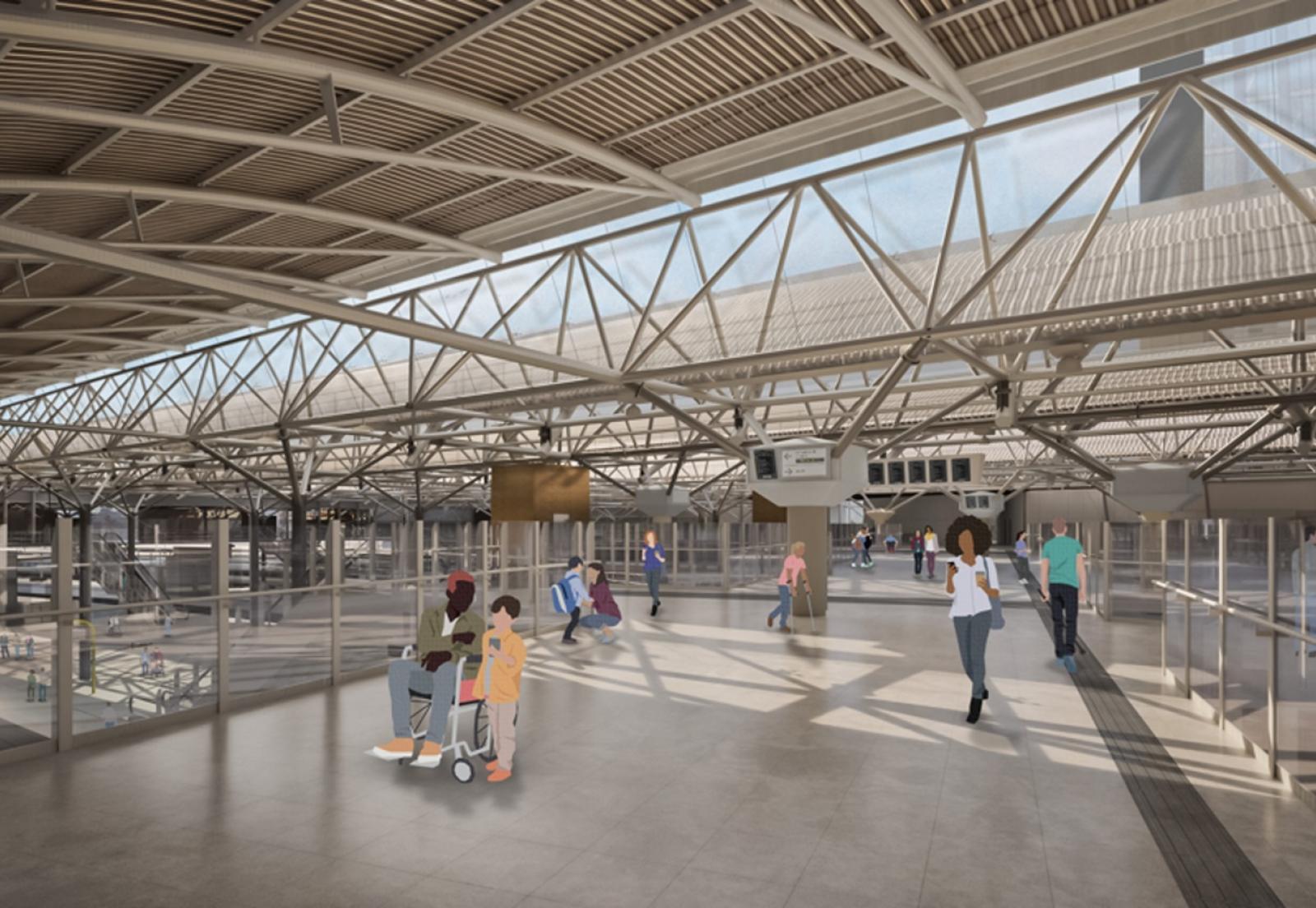
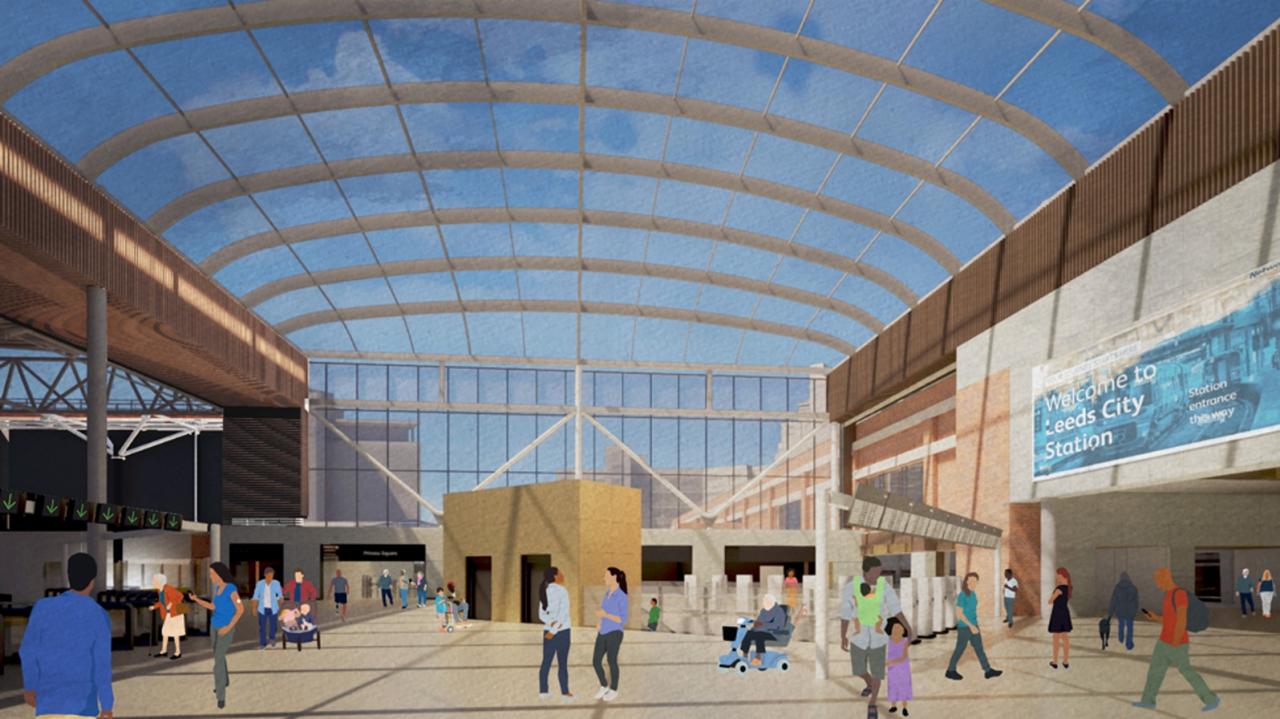
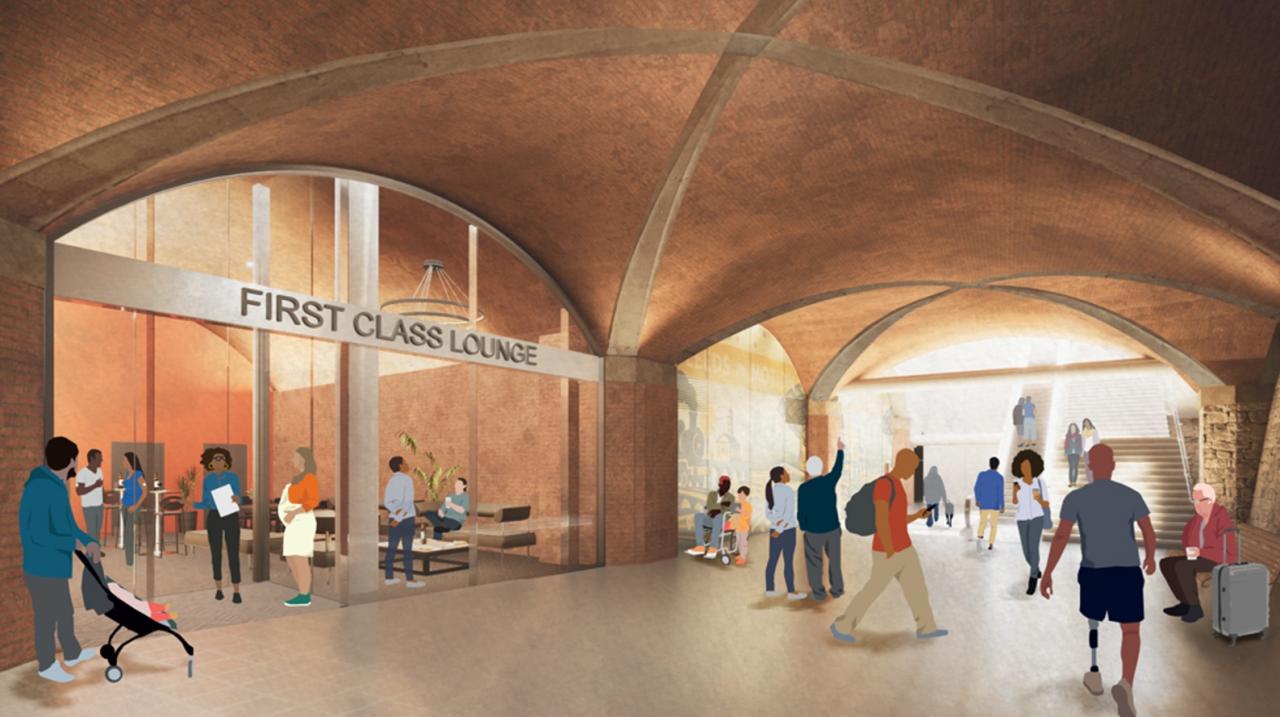
The enhancement programme, expected to be completed by 2030, will include the construction of a new central overbridge, three additional station entrances, expanded concourse space and an extended Platform 14. The improvements are designed to improve passenger flows through the station while preparing the network for future rail growth across the North.
As part of the plans, passengers will see shorter queues and less crowding, with nearly 40% more ticket barriers and increased lift capacity helping to create a more accessible and efficient station environment.
The three new station entrances will strengthen links between Leeds Station and key areas of the city centre, including the South Bank, Princes Square and the Dark Arches. The improvements are also expected to support wider regeneration activity, commercial developments and employment opportunities across the city.
The redevelopment is being delivered alongside the £11 billion Transpennine Route Upgrade, which will increase rail capacity across the North by 30% while electrifying major routes to support faster, more reliable and greener rail services.+
Transport Secretary Welcomes Investment
Transport Secretary Heidi Alexander said:
"Leeds station is the gateway to West Yorkshire, and this extra £200 million investment will turn it into a station this city can be proud of: modern, welcoming and built for the people who rely on it every single day.
"The great cities of the north deserve better transport, and that’s exactly what we’re delivering. We're paving the way for Northern Powerhouse Rail, forging stronger connections across the region, and backing the infrastructure that creates jobs, builds homes and puts passengers first as we work to set up Great British Railways."
West Yorkshire Mayor Backs Funding
Mayor of West Yorkshire Tracy Brabin said:
"Leeds Station is the beating heart of our region's transport network, connecting millions of people to jobs, education and opportunity every year – and it’s only going to get busier.
“This investment will benefit passengers and businesses, help to unlock the capacity we need for future growth and create a gateway to West Yorkshire that reflects our ambition.
“Together with our wider plans for West Yorkshire’s Weaver Network, we're building a better-connected region which works for all.”
Supporting Northern Powerhouse Rail
The announcement follows confirmation of a new station at Bradford Interchange, which is expected to work alongside the proposed West Yorkshire Mass Transit network to unlock new housing developments, create jobs and generate up to £1 billion in economic benefits.
Leeds Station currently handles more than 27 million passengers annually, with around 80% of rail services in West Yorkshire either starting or terminating there. Forecasts suggest annual passenger numbers could increase by almost 12 million by 2043, highlighting the need for additional rail capacity and modernised station infrastructure.
The redevelopment is also a key enabling project for Northern Powerhouse Rail (NPR), which aims to transform east-west connectivity across the North of England. NPR proposals include frequent, turn-up-and-go services between major northern cities, reducing the need for passengers to rely on timetables and improving regional connectivity.
The investment forms part of the Government’s wider rail reform programme, which includes bringing train operators into public ownership and establishing Great British Railways with the aim of creating a more integrated railway focused on passenger outcomes.
Image credits: Department for Transport