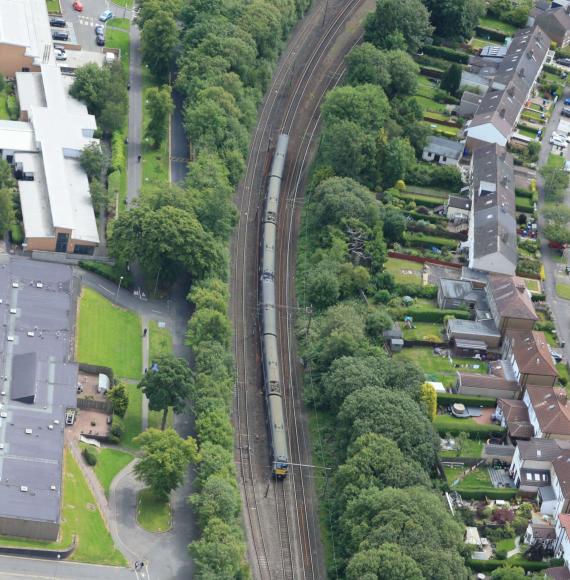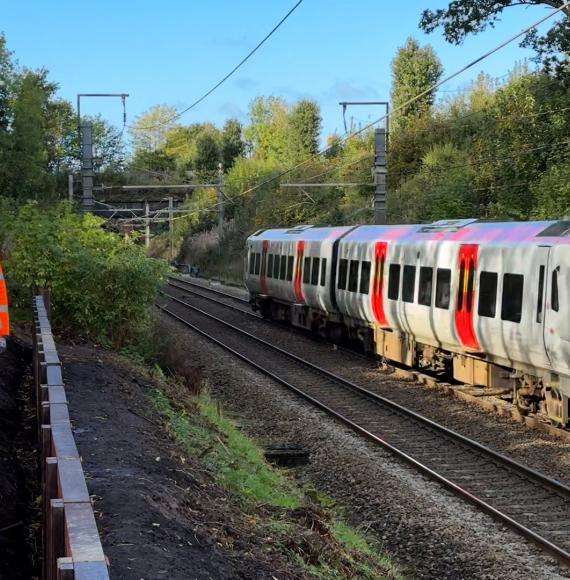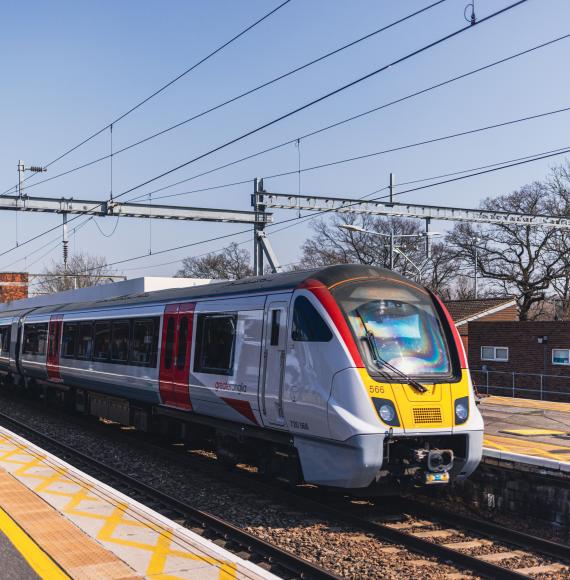
Network Rail engineers in Scotland have completed a vegetation inspection programme that would traditionally take three years in just two months, thanks to the successful deployment of Digitised Lineside Inspection (DLI) technology.
The innovative approach is transforming how lineside vegetation is monitored and managed across Scotland's railway network, delivering significant improvements in safety, efficiency and cost savings. The programme has been used extensively by teams in Edinburgh, including on sections of the strategically important East Coast Main Line between Edinburgh and London King's Cross.
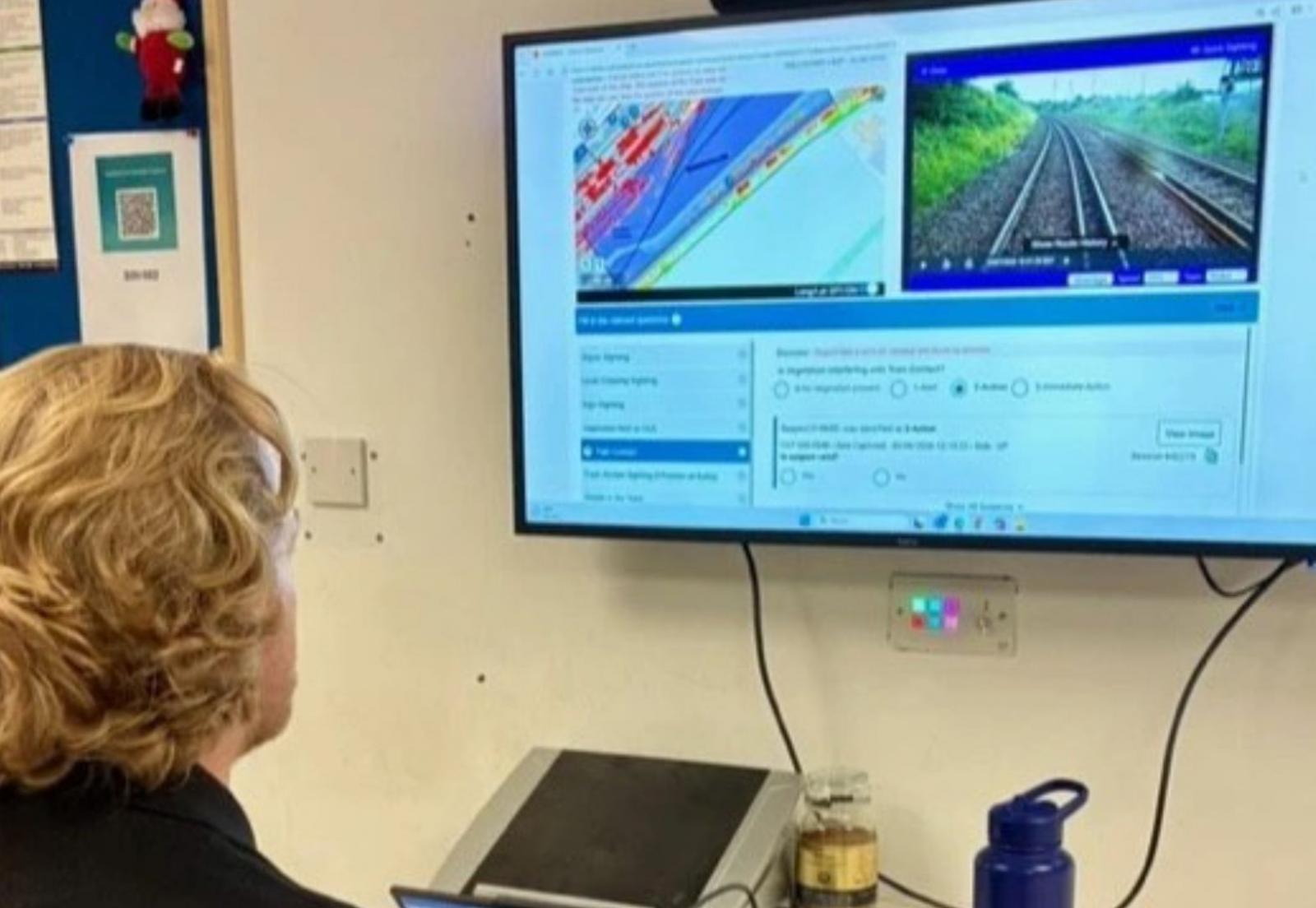
DLI uses high-definition footage captured from in-service trains to provide engineers with a detailed view of vegetation along the railway. The technology enables teams to identify potential issues remotely and plan maintenance interventions without the need for routine trackside inspections.
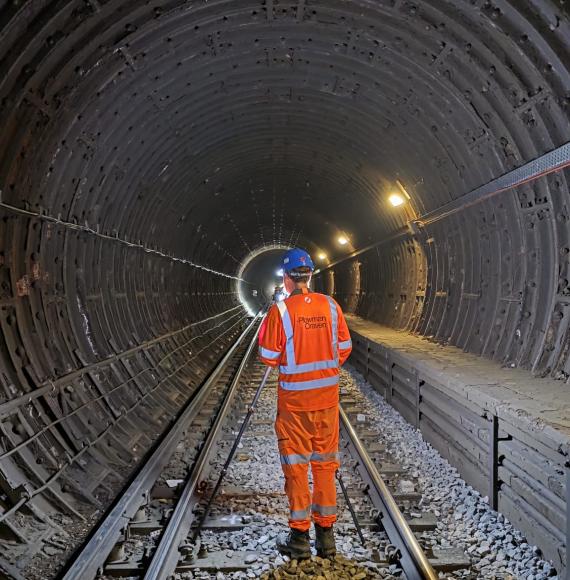
By reducing the need for engineers to walk the railway, DLI significantly cuts the amount of time staff spend in safety-critical environments. The approach minimises unnecessary track access requirements while reducing exposure to the hazards associated with working on or near live railway infrastructure.
The benefits are particularly important during the autumn period, when falling leaves can affect rail performance and train reliability. By providing more frequent and targeted monitoring, the technology allows maintenance teams to identify emerging issues earlier and focus resources where they are most needed.
In addition to operational and safety improvements, the adoption of DLI has generated approximately £55,000 in direct cost savings for Network Rail's Edinburgh teams.
Tracy Penmen, Track Maintenance Engineer at Network Rail Scotland, said:
"This is a brilliant example of how technology is helping us look after the railway more safely and efficiently.
"Completing what would previously have been a three-year inspection cycle in just two months is a fantastic achievement and means our engineers can get a clear picture of where work is needed much more quickly.
"It also means less time spent out on the railway carrying out inspections and more time focused on the places that need our attention.
"The Edinburgh teams have really embraced this new way of working and should be incredibly proud of what they've achieved."
The success of the programme highlights how digital tools are increasingly being used across the rail industry to improve asset management, reduce operational risk and deliver better value for taxpayers and passengers alike.
Image credit: Network Rail