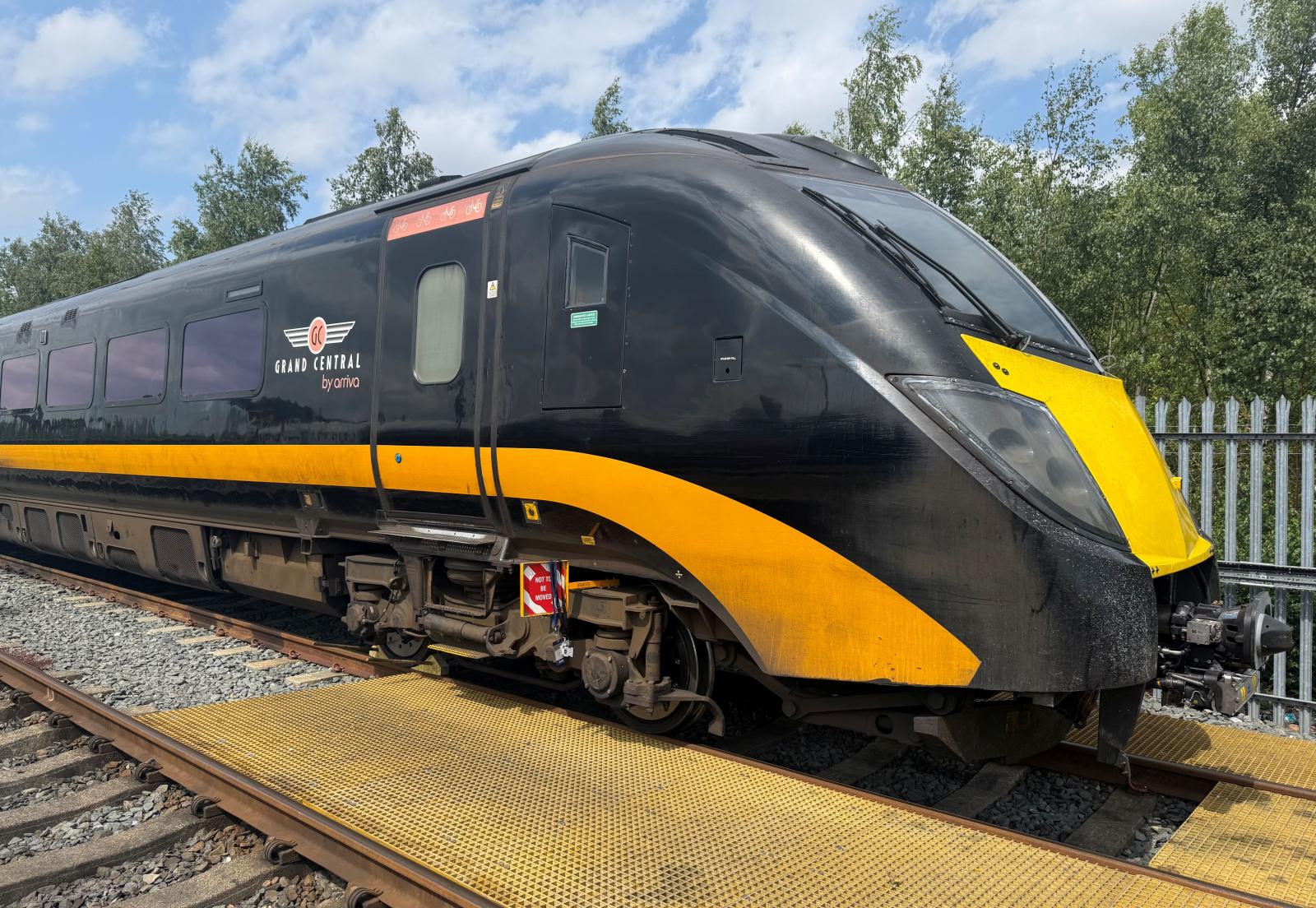
Alstom has reached a major milestone in the UK's railway digitalisation programme after securing Authorisation for Placing into Service (APiS) for the first European Train Control System (ETCS)-equipped Class 180 train operated by Grand Central.
The approval for unit 180108 marks a significant step forward in the rollout of digital signalling technology across Grand Central’s fleet and brings the UK's first high-speed digitally signalled passenger services closer to reality.
The APiS authorisation clears the way for the remaining ten Class 180 vehicles, owned by Angel Trains and retrofitted by Alstom with ETCS technology, to enter the next phase of deployment. The fleet will now undergo software updates before beginning an intensive programme of 50,000 miles of fault-free running, scheduled to commence in December.
At the same time, Grand Central train drivers are receiving training in Level National Train Control (L-NTC) mode, enabling ETCS-equipped trains to operate seamlessly across conventionally signalled routes.
Steve Wilson, Project Director at Alstom, said:
“Reaching APiS for the Class 180 – our first passenger fleet retrofit – is a significant milestone and the culmination of years of hard work, determination and technical innovation. It is a real testament to the collaborative approach across Alstom, Grand Central, Angel Trains, the National Joint ROSCO Project and the East Coast Digital Programme. I would like to recognise everyone, past and present, who has contributed to getting us to this point.
“APiS is an important achievement but it is also the start of the next phase of our journey. Our focus now turns to supporting the fleet through fault-free running and towards ETCS Level 2 operation on the East Coast Main Line in 2027.”
The Class 180 project represents Alstom's first retrofit of ETCS technology onto an operational passenger fleet in the UK. The achievement is viewed as a key milestone for the wider railway industry as operators and infrastructure partners work towards the adoption of digital signalling across the national network.
The ETCS rollout forms part of the East Coast Digital Programme (ECDP), one of the UK's most ambitious railway modernisation projects. The programme is replacing traditional lineside signalling with in-cab digital technology designed to improve capacity, reliability and operational efficiency while enhancing safety.
ETCS continuously supervises train movements and speed, with the ability to automatically intervene and stop a train if necessary.
Grand Central's Class 180 fleet, built by Alstom in the UK between 2000 and 2001 as part of the Coradia family, is expected to begin operating under ETCS Level 2 on the East Coast Main Line between Welwyn and Hitchin from spring 2027.
The fleet continues to be maintained by Alstom engineers at the company's Crofton Depot near Wakefield, West Yorkshire.
The East Coast Digital Programme achieved another landmark earlier this year when it introduced the country's first "no signals" commuter railway between Finsbury Park and Moorgate.
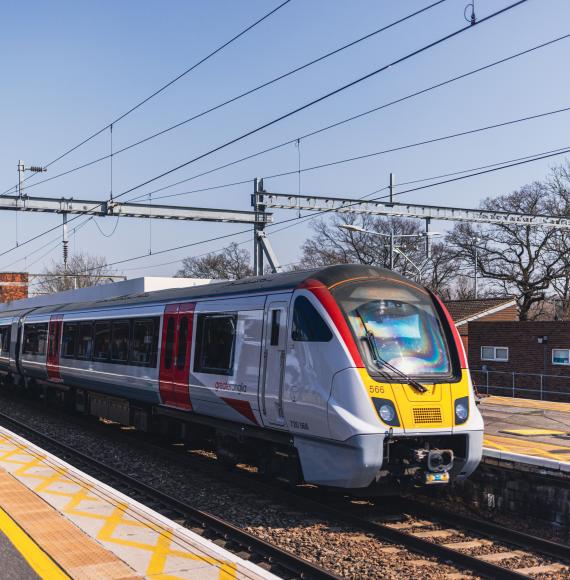
Since August 2026, selected Great Northern services have been operating using digital signalling technology in the Welwyn-to-Hitchin section of the East Coast Main Line. Additional fleets and operators are expected to migrate onto the system throughout 2027 as digital railway deployment accelerates.
The successful authorisation of Grand Central's first ETCS-equipped Class 180 represents another important step towards a fully digital East Coast Main Line and the wider transformation of Britain's railway signalling infrastructure.
Image credit: Alstom