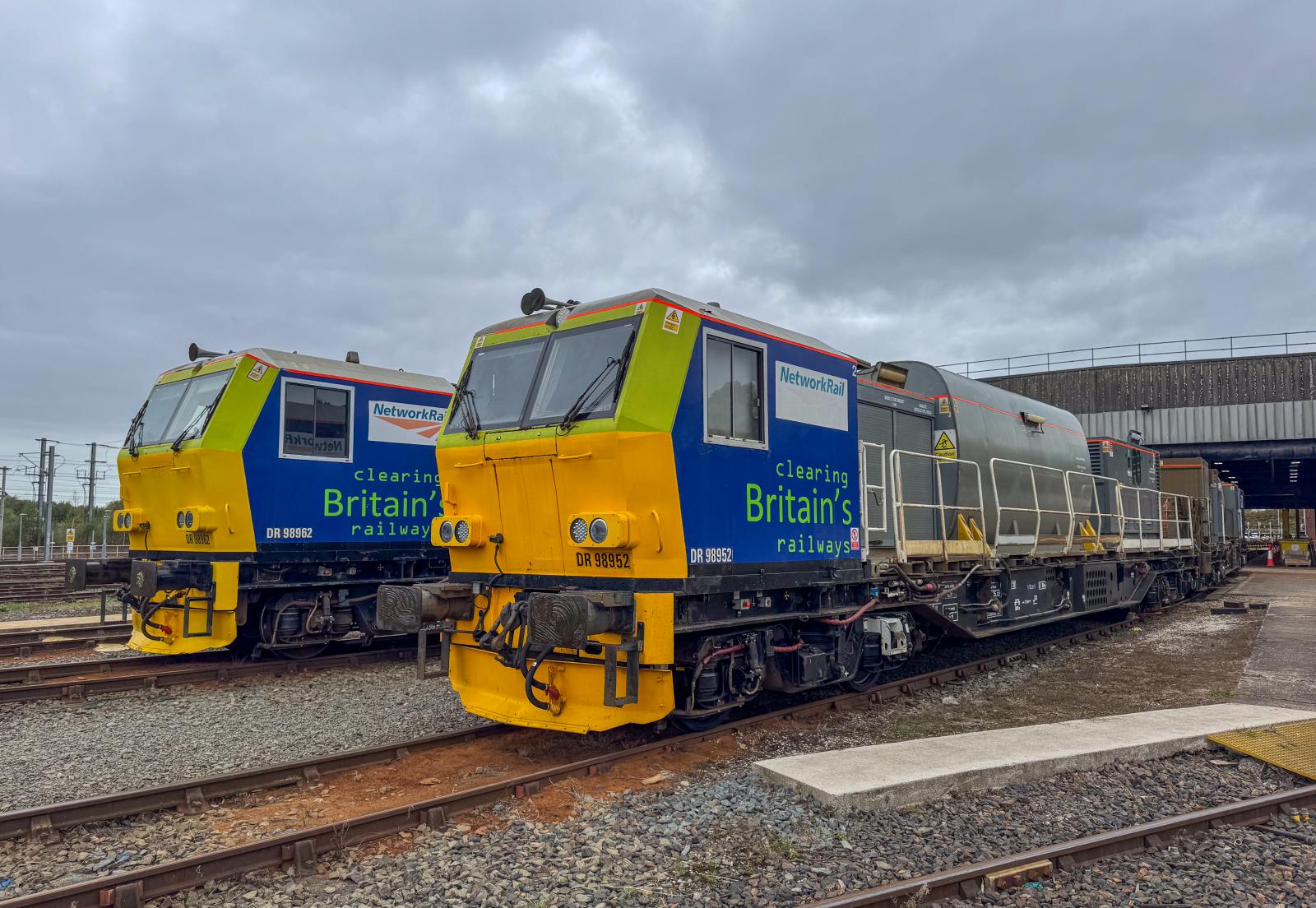
Network Rail has deployed a fleet of specialist ‘leaf busting’ trains across the North West as part of its annual autumn programme to reduce disruption caused by fallen leaves on the railway.
From 1 October, seven specially equipped trains will operate across the region for the next ten weeks, using high-powered water jets to remove leaf build-up from railheads and improve train performance during one of the railway’s most challenging seasons.
The operation, which costs £7.5 million, will see some trains running for up to 21 hours a day. Collectively, the fleet is expected to cover more than 100,000 miles of railway, equivalent to travelling around the Earth's equator four times.
While fallen leaves may appear harmless, they can create significant operational problems for the railway. As leaves are repeatedly compressed by passing trains, they form a slippery layer on the rails that can reduce traction and make braking and acceleration more difficult.
In severe cases, the resulting leaf mulch can create conditions similar to black ice, posing challenges for train drivers and increasing the risk of delays. The build-up can also interfere with trackside signalling equipment and sensors, impacting network performance.
To tackle the issue, Network Rail’s specialist treatment trains use high-pressure water jets to blast leaf residue from the track. A second application system then coats the rails with a traction-enhancing gel, helping train wheels maintain grip in difficult autumn conditions.
Louise Tilly, Network Rail’s North West seasons delivery manager, said:
“While leaves on the line might not seem like a major concern, this is a problem that causes disruption and inconvenience for passengers and freight trains every year. Our fleet of leaf busting trains cover a huge area of the railway blasting leaves off the tracks and laying down a traction gel to help trains travelling in these difficult conditions.
"We are always planning three seasons in advance for potential problems on the railway, from flooding and ice to extreme heat and autumn conditions.”
The annual autumn treatment programme forms part of Network Rail’s wider seasonal resilience strategy, ensuring passenger and freight services can continue to operate safely and reliably during periods of increased leaf fall, adverse weather and challenging rail conditions.
Image credit: Network Rail