
Major engineering work is set to begin this weekend as Network Rail prepares the Fife line and its connecting routes for future electrification—marking a significant step in Scotland’s transition toward a cleaner, modern railway.
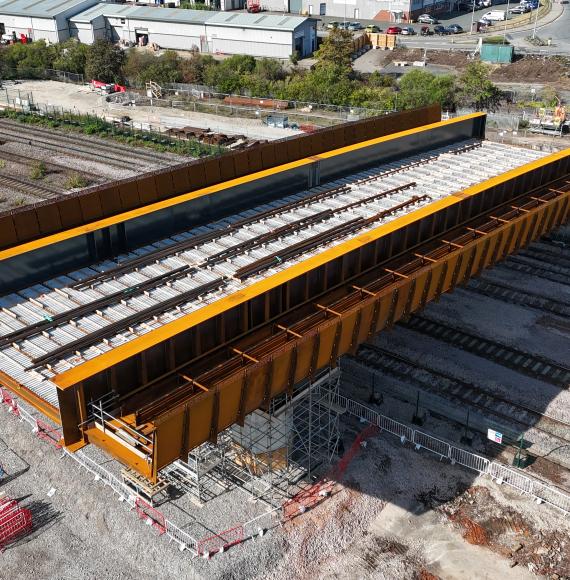
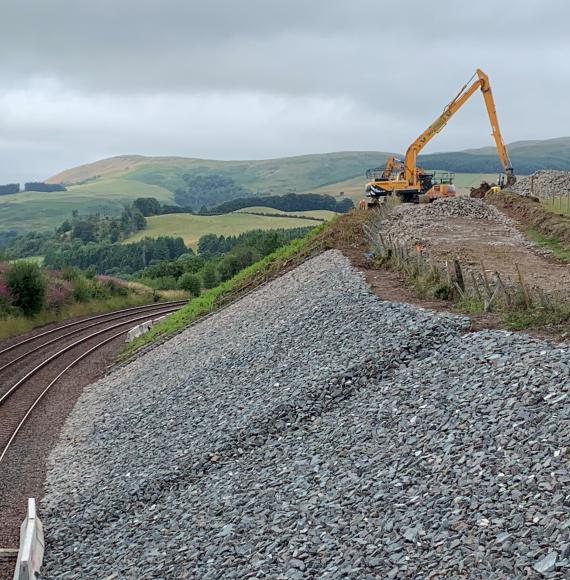
The line between Haymarket and Dalmeny will close for nine days, from 17–25 January, allowing engineers to deliver a package of heavy infrastructure upgrades. The closure will enable several bridges to be fully rebuilt and targeted sections of track to be lowered, creating essential clearance for overhead line equipment.
These works form part of the Scottish Government’s £342 million investment to electrify both the Fife and Borders routes. The long-term programme will enable the introduction of battery-electric trains, supporting Scotland’s wider decarbonisation goals and strengthening the rail network’s environmental performance.
Switching from diesel traction to electric operation is expected to reduce carbon emissions, cut noise pollution for lineside communities, and offer passengers cleaner, quieter and more reliable services.
Catherine Hall, strategy and investment director at Network Rail Scotland, said:
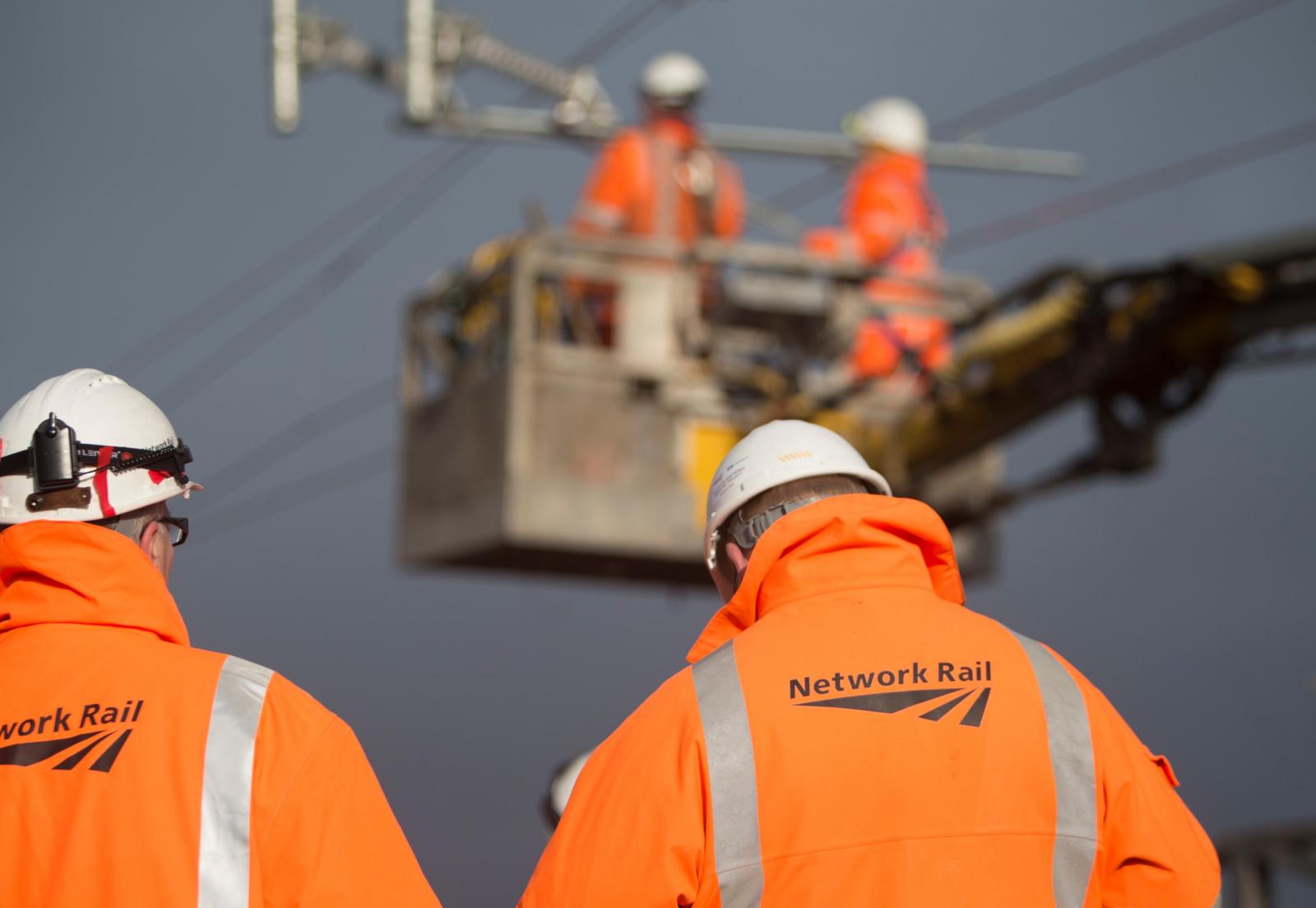
“Over nine days, our teams will carry out complex engineering work at multiple sites to get the route ready for future electrification. Bridge reconstructions, track alterations and systems changes have all been carefully planned to make sure the line can support the next generation of trains.
“A modern railway connects people to jobs, education and essential services, and underpins local economies.”
“Investing now ensures the network can meet future demand and makes sustainable travel a practical choice for more journeys.”
“We know the route to and from Fife is one of the busiest in Scotland and there's never an ideal time to close it. We really appreciate the patience of passengers and local residents while these major improvements take place.”**
To complete the upgrades safely and efficiently, the Haymarket–Dalmeny section will be closed from the end of service on Friday 16 January until the start of service on Monday 26 January.
The work represents a key milestone in creating a greener, more resilient railway for Scotland—one designed to support future growth and deliver long-term benefits for operators, passengers and the wider rail industry.
Image credit: Network Rail