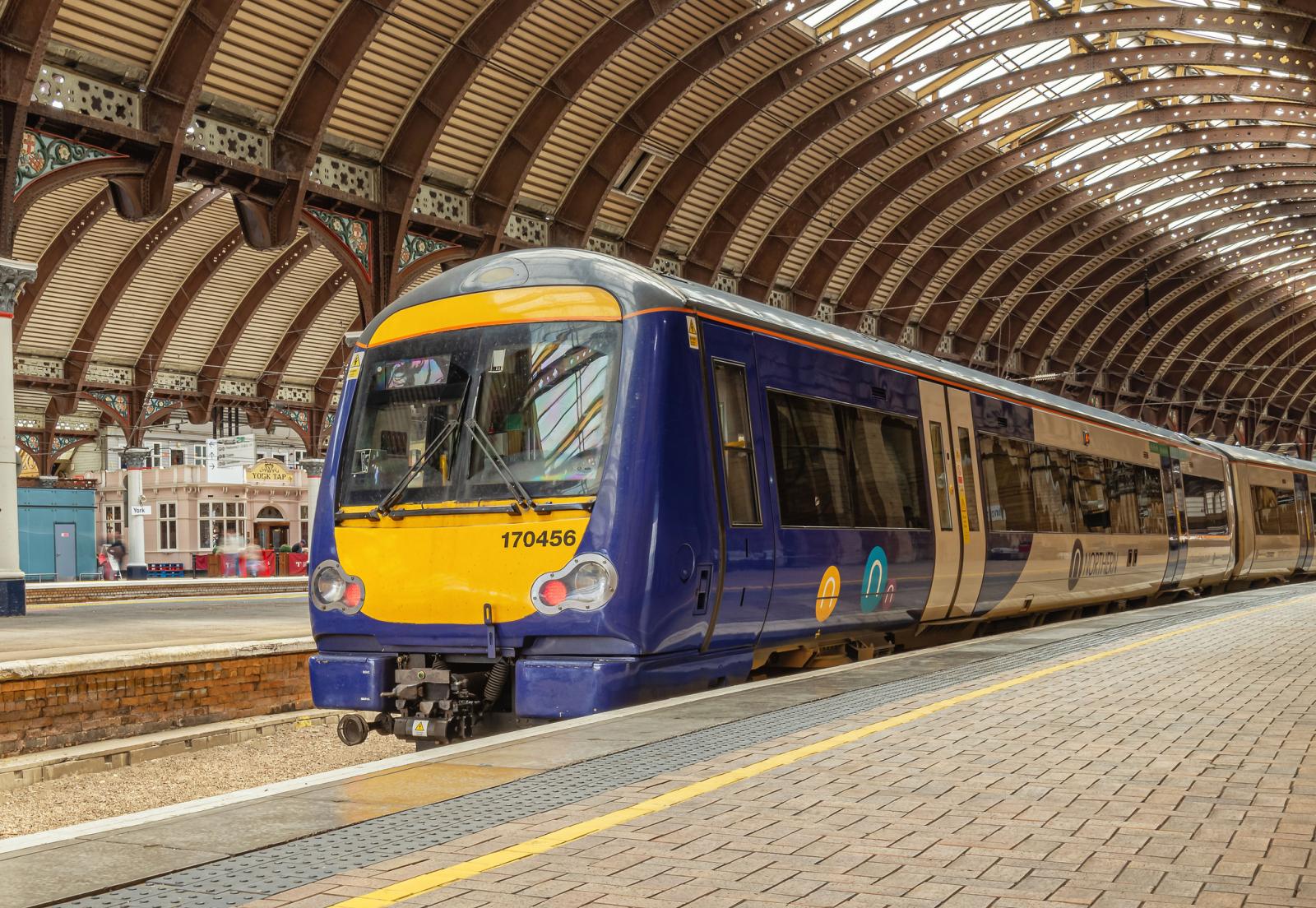
A new digital ticketing trial has been rolled out on Northern services between Sheffield and Doncaster, marking a significant step forward in the Department for Transport’s (DfT) drive to modernise rail travel and simplify the passenger experience across England.
The pilot introduces a “tap-in, tap-out” style system that allows customers to travel without purchasing a ticket in advance. Instead, passengers use a smartphone app to check in and out of their journeys. The app leverages GPS technology to track travel and automatically calculates the best-value fare at the end of the day. During ticket inspections or when passing through barriers, users simply present a unique barcode generated by the app.
This initiative builds on earlier trials launched in September 2025 on East Midlands Railway and other Northern routes, which have already facilitated over 2,000 journeys. As an incentive, participants in the Sheffield–Doncaster trial will receive £15 in complimentary travel credit, automatically applied to their accounts.
The trial forms part of the government’s broader “Plan for Change” strategy, which aims to streamline fare structures, enhance the passenger experience, and encourage greater use of public transport. It also aligns with the ongoing transformation of the UK rail network under the creation of Great British Railways, which seeks to deliver more integrated services and consistent ticketing nationwide.
With nearly £1 million in government funding backing the programme, the trial underscores a commitment to innovation, passenger-centric service design, and sustainable transport growth—particularly across the North.
Ben Rudkin, Operations Director at Resonate Group, highlighted the significance of the initiative:
“The expansion of location-based digital ticketing technology across Northern services marks a major milestone in modernising the way passengers interact with the rail network.”
”By integrating mobile technology, GPS-based journey tracking, and automated fare calculation, these trials remove the need for pre-booking, ensure passengers always pay the best available fare, and streamline the entire travel experience.”
He added:
“When combined with other digital innovations, such as modern signalling, dynamic scheduling systems, and real-time performance monitoring, this approach demonstrates how data-driven connectivity can transform rail operations. Through integrated data platforms, we can improve decision-making, optimise network performance, and deliver a more reliable, intelligent, and passenger-focused railway.”
As the industry continues to embrace digital transformation, trials like this offer valuable insights into how technology can enhance both operational efficiency and customer satisfaction.
Image credit: iStock