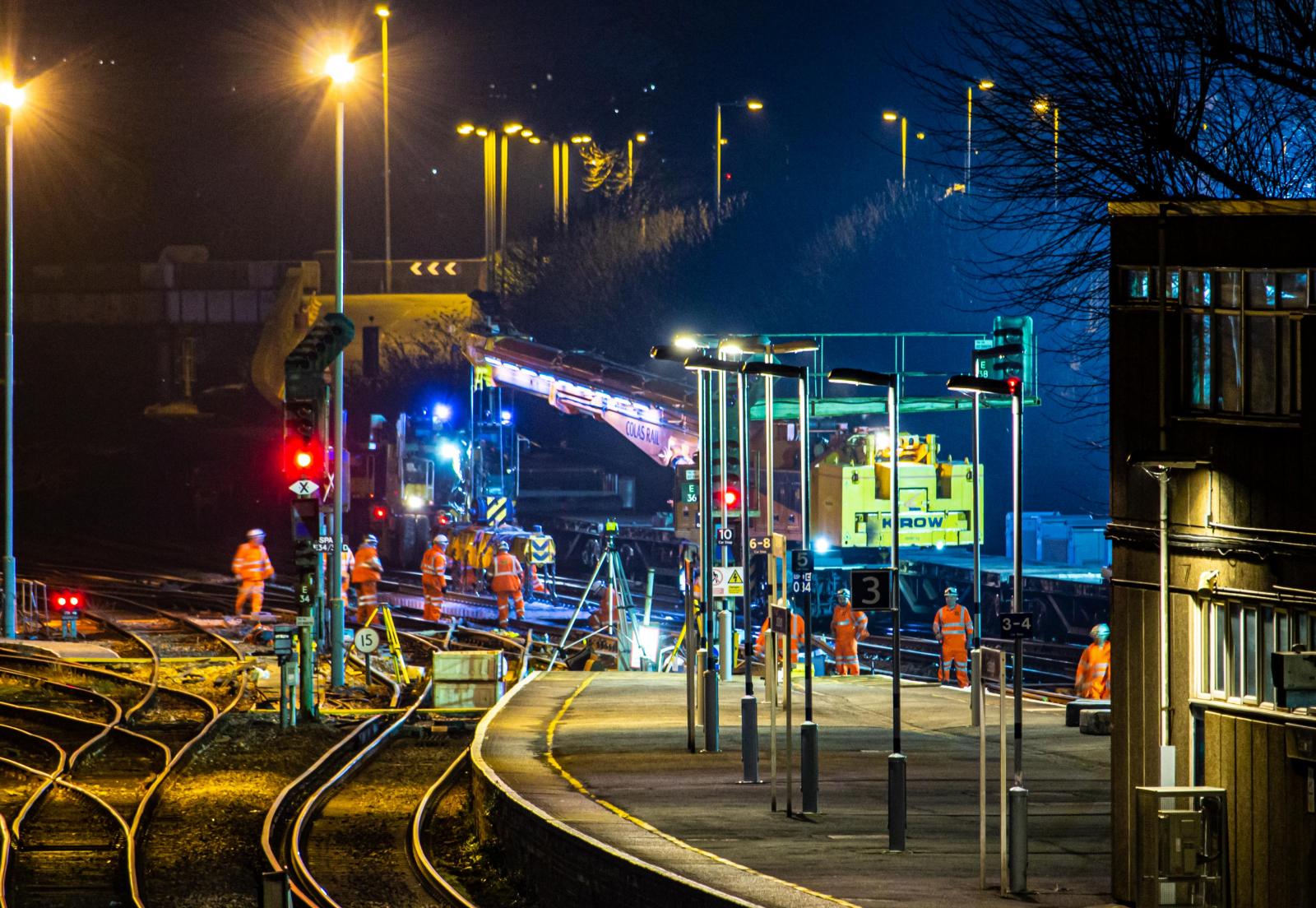
Payroll is challenging enough as it is, but for rail businesses, this process is made even more complicated by its 24-hour workforce.
Drivers, maintenance teams, engineering, and operational staff all work a variety of shifts and overtime patterns, and they all have different allowances and shift premiums, which can make accurate tracking, recording, and reporting extremely difficult and time-consuming.
Luckily, advances in payroll technology have made it easier to manage these complications. So, with more and more businesses adopting modern payroll software, here are some of the biggest challenges railway businesses face and how these payroll systems are actually making a difference.
The Biggest Payroll Challenges Within the Railway Industry
Unpredictable Hours
Rail workers usually aren’t on a typical 9-5 schedule. Instead, they work a variety of shifts, including night shifts, and many employees in maintenance or incident response teams take on on-call responsibilities. Tracking the number of hours worked can therefore be an arduous task.
Additional Payments
Overtime is common, as are night shifts and weekend work. However, since these hours often come with shift premiums, this adds another layer of complexity to wages. As a result, the risk of errors is particularly high.
Varied Working Arrangements
Railways use a mixture of permanent and temporary staff, as well as external labour and contractors. This means payroll teams have to deal with a number of different payment structures at the same time and calculating things like holiday pay and sick leave often requires individual calculations.
How Payroll Providers Are Helping Railway Businesses Manage
Despite these challenges, railway businesses are finding ways to successfully manage their complex payroll requirements. One of the most popular ways is switching to an enterprise payroll provider.
By automating data entry, calculations, payslip generation, and reporting, businesses no longer require the manual efforts of payroll teams and the entire process is much more efficient, accurate, and compliant.
The Future of Payroll in The Railway Industry
As payroll systems improve, especially thanks to advances in AI and cloud-based technology, the future of payroll looks particularly bright within the railway industry.
Massively reducing the administrative load and the risk of errors is keeping workforces within the railway industry paid on time and limiting costly compliance issues which can disrupt daily operations. This is allowing those within the railway industry to focus on improving their public transportation offering rather than spending hours upon hours completing repetitive and time-consuming tasks.