
Network Rail has secured a major milestone in the redevelopment of Liverpool Street station, following the City of London Planning Committee’s resolution on 10 February to grant full planning permission for the long‑awaited transformation of the UK’s busiest rail hub.
The Eastern Region’s Anglia Route will oversee the upgrade, which aims to futureproof the station for decades as passenger numbers continue to grow sharply. Liverpool Street, last redeveloped in 1991, now handles 118 million passenger movements each year, and demand is projected to rise by 35%, reaching 158 million by 2041.
Looking further ahead, planners expect the station will need to accommodate over 200 million annual journeys, making capacity enhancement essential for maintaining operational performance and customer experience across London, East Anglia and the wider east of England.
Driving Economic Growth in the City of London
Since its opening in 1874, Liverpool Street station has grown in parallel with the economic rise of the City of London. The approved redevelopment is expected to accelerate that growth, with figures indicating a potential £4.6 billion per year uplift in the City’s economy — equivalent in scale to a 1p change in the basic rate of income tax.
Ellie Burrows, Managing Director for Network Rail’s Eastern region, said:
“Our plans focus on improving the everyday experience for passengers whilst respecting the station's unique heritage. With annual passenger numbers forecast to grow to 158 million, this approval ensures the station will be future proofed for decades to come.”
Transforming Passenger Experience: Key Improvements
The overhaul tackles long‑standing congestion and accessibility issues, delivering a fundamentally re‑engineered and inclusive station:
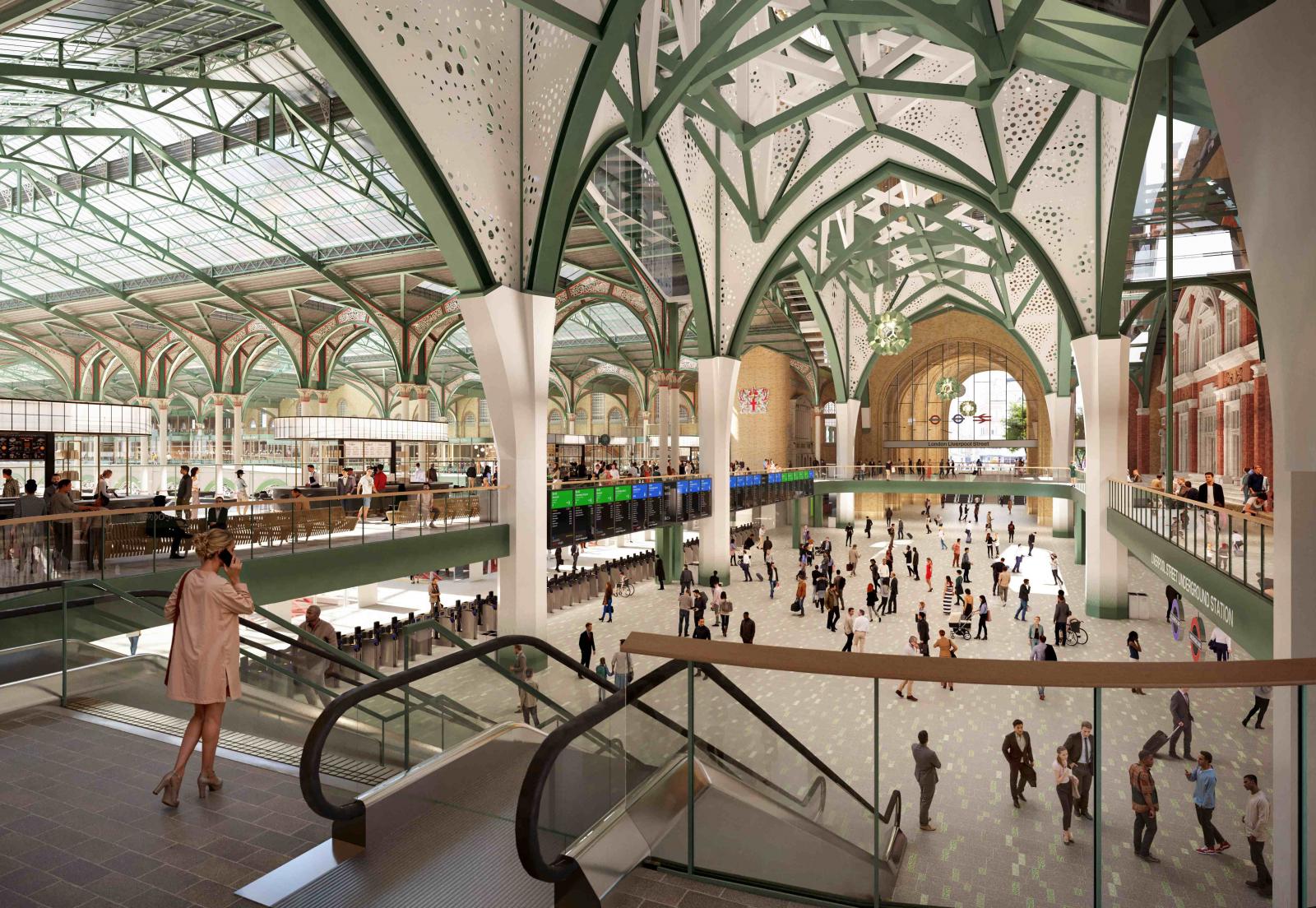
- 76% increase in overall concourse capacity
- 23% expansion of the lower concourse to smooth passenger flow
- Step‑free access from street to all platforms, including every Underground line for the first time
- Eight new large lifts, replacing the existing four‑person unit
- Escalators increased from four to ten
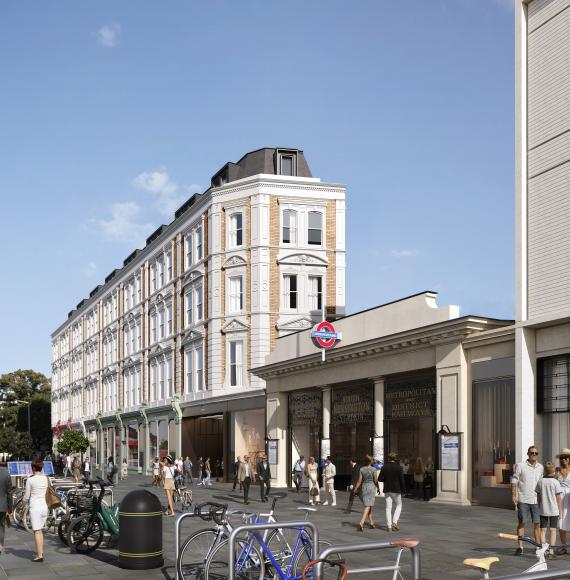
- New accessible entrances and intuitive wayfinding from Broadgate, Exchange Square, and key interchange points
- Toilets on all levels, including Changing Places facilities and family amenities
Respecting Heritage While Creating New Spaces
The project safeguards the station’s Victorian character, with the iconic trainshed fully preserved. The redevelopment will also create new vantage points overlooking the heritage structures, bringing passengers visually closer to the original architecture.
Above the concourse, a new office building featuring a publicly accessible roof garden will provide one of London’s most sustainably connected workplaces, directly supporting the City Corporation’s long‑term growth and employment aspirations.
Project Delivery Partners
Network Rail’s design and advisory team includes:
ACME (Architecture) • AECOM (Engineering & Environment) • Certo MS (Project Management) • Newmark (Planning & Development) • Gleeds (Cost Management) • Donald Insall Associates (Heritage & Townscape) • GIA (Daylight & Sunlight) • JLL (Valuation) • AVR London (Visualisations) • SLA (Landscape Architecture) • Shared Voice (Communications & Engagement) • Intelligent Data Collection (Pedestrian Modelling) • Mima Group (Accessibility & Wayfinding) • Seam (Lighting Design) • RWDI (Wind Engineering) • The Boundary (CGI Views) • Plowman Craven (Surveys) • Sweco (Building Control Advice) • Addleshaw Goddard (Legal) • Publica (Cultural Strategy)
Image credit: Network Rail