
Network Rail and ScotRail have begun their annual autumn operation across Scotland, deploying specialist equipment, new technology and targeted maintenance programmes to keep trains running reliably during one of the railway’s most challenging seasons.
Every autumn, millions of leaves fall onto the railway, creating a hazardous layer on the tracks when crushed by passing trains. The resulting coating significantly reduces the grip between train wheels and rails, affecting braking and acceleration and leading to delays, disruption and extended journey times.
To combat the issue, months of planning have gone into preparing Scotland’s railway for the season ahead. This year, eight dedicated treatment trains will cover more than 80,000 miles of track across 370 treatment circuits, using around 155 tonnes of sand to improve adhesion and maintain network performance.
The strategy is already delivering results. Delays attributed to autumn conditions fell by more than 25% last year compared with the previous autumn. However, seasonal disruption continues to cost the railway around £1 million annually, highlighting the scale of the challenge facing operators and infrastructure teams.
Heather Waugh, customer driver for Lumo, sees first-hand the difficulties autumn can create on the network. She said:
“Autumn can completely change how the railway feels. You can approach the same stretch of track you've driven hundreds of times before and find conditions are completely different from one day to the next. For drivers, it's often described as the railway's equivalent of black ice on the roads.
"As drivers, we have to stay alert, adjust how we drive and think ahead. The work that happens behind the scenes to treat the track and prepare the railway for autumn makes a huge difference. It gives us the best possible conditions to operate safely and helps passengers get where they need to be."
New Technology Boosts Performance
A key element of this year’s programme is the introduction of additional technology designed to improve reliability and reduce passenger delays.
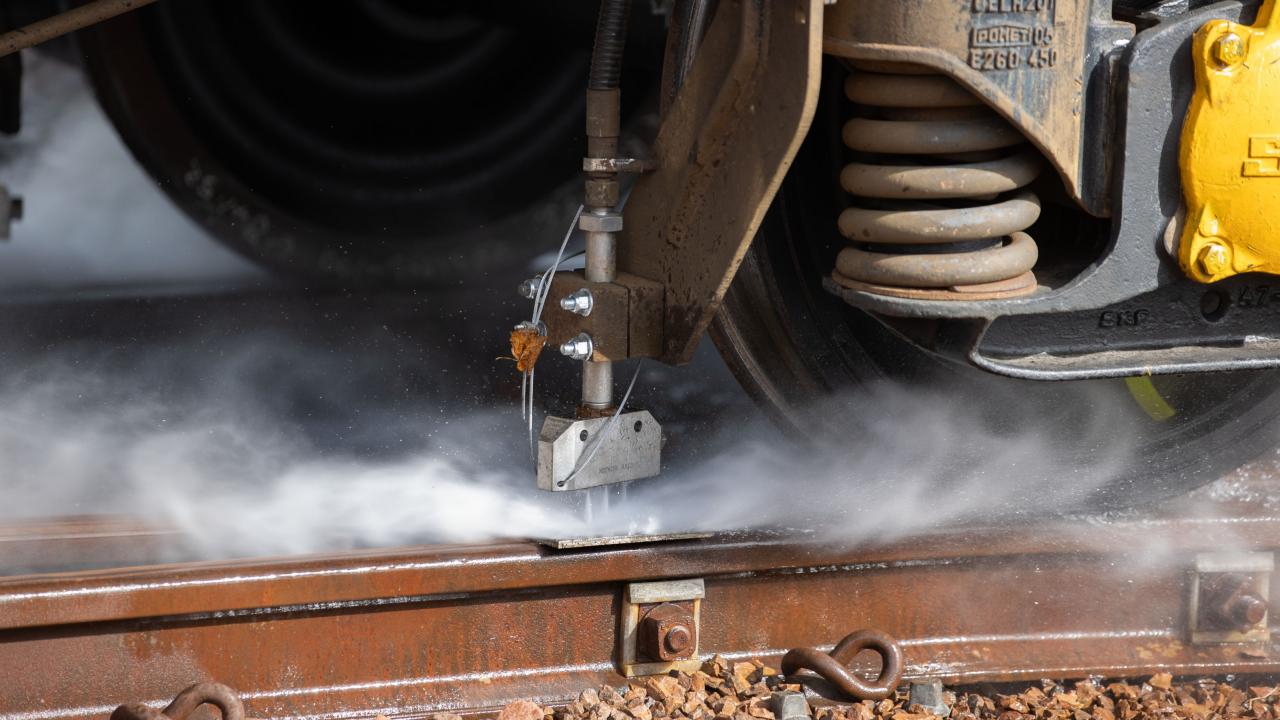
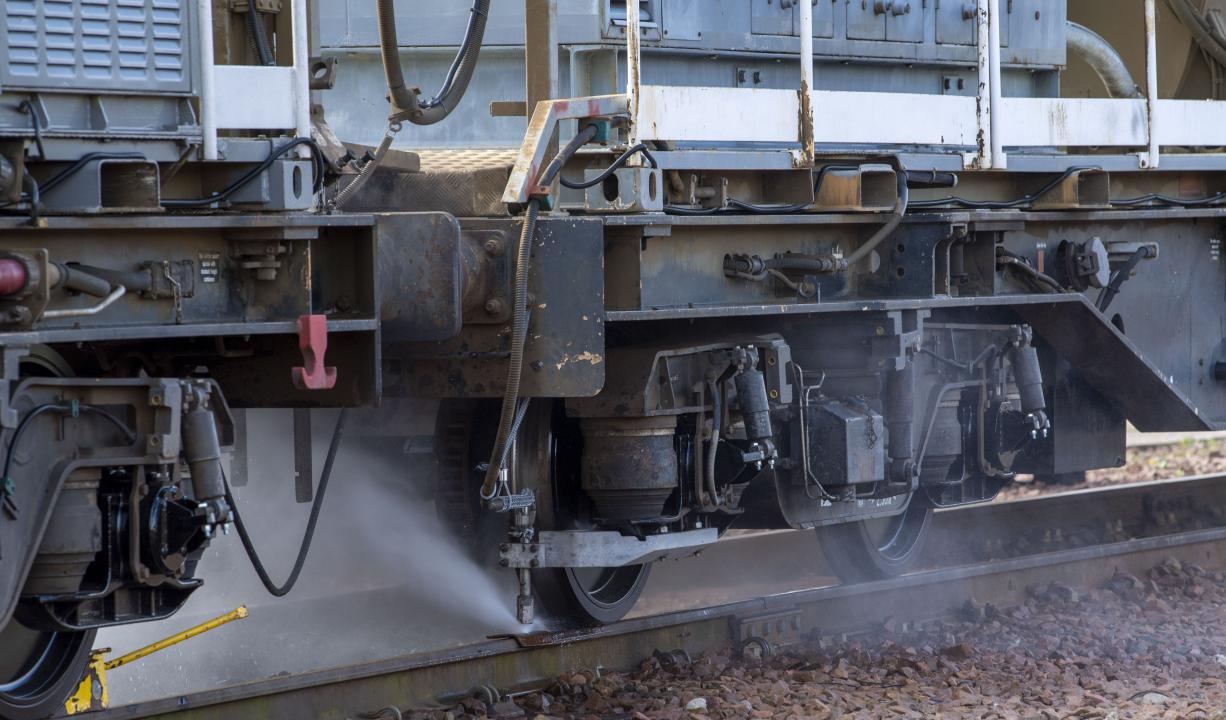
ScotRail’s Class 158 fleet, which operates extensively across the Highlands and north-east of Scotland, is being fitted with sanding equipment for the first time. The move forms part of a £7.7 million investment in Double Variable Rate Sanding (DVS) technology, which automatically adjusts sand application rates according to train speed, maximising grip and operational efficiency.
Meanwhile, a new sand rover vehicle is being introduced on the Far North Line. The specialist vehicle applies a bespoke gel treatment to rails, further enhancing wheel-to-rail adhesion and helping reduce delay minutes during the peak leaf-fall season.
Alongside track treatment measures, Network Rail teams are carrying out targeted vegetation management and drainage maintenance across the network to improve resilience and reduce the risk of seasonal disruption.
Keeping Scotland Moving
Craig Milne, operations director at Network Rail Scotland, said:
“Autumn is a challenge we know is coming every year, but that doesn’t make it any less demanding. It has the potential to affect train services on a scale that no other season does.
“We've learned a lot about managing the impact and we've become much better at it, but success is never guaranteed. The work we do over the next few months is crucial to keeping Scotland moving and minimising the impact of autumn on the people who depend on the railway every day.”
Mark Ilderton, ScotRail service delivery director, added:
“Autumn is always one of the most challenging periods of the year for the railway, and a huge amount of preparation goes into reducing the impact on our customers.
“We’ve been working round the clock to prepare our trains and our stations for the change in weather, while working with colleagues at Network Rail to keep rails and train wheels clean.
“Leaves on the line can create conditions similar to black ice on the roads, so safety has to come first. The investment in new sanding technology, alongside the work taking place across the network and at our depots, will help us keep trains moving safely and reliably.
“We’re also making some minor changes to a small number of services to keep the timetable running as smoothly as possible. We’ll continue to keep customers updated throughout the autumn and would encourage everyone to check their journey before travelling through the ScotRail app or website.”
As Scotland enters the annual leaf-fall season, the combined efforts of Network Rail, ScotRail and train operators will focus on maintaining performance, improving safety and minimising disruption for passengers across the country.
Image and video credits: Network Rail