Rail passengers facing cancelled services will soon benefit from a major overhaul designed to make disruption less stressful and reduce unnecessary costs.
From Sunday 20 September, customers whose train is cancelled will be able to board an alternative service operated by a different participating train company without having to purchase another ticket. The move aims to end what many passengers have come to know as "cancellation limbo", where travellers are left waiting on platforms for operators to agree ticket acceptance, rushing between services in the hope of completing their journey, or paying for expensive replacement tickets.
The reform represents another step towards the Government's wider railway modernisation programme and comes ahead of the creation of Great British Railways (GBR), which is intended to bring Britain's railways under stronger public oversight and create a more passenger-focused network.
How the New Rules Will Work
Under the new arrangements, passengers holding a valid ticket for a cancelled train will be able to travel on a participating operator's service departing within two hours before or after their original booked departure time.
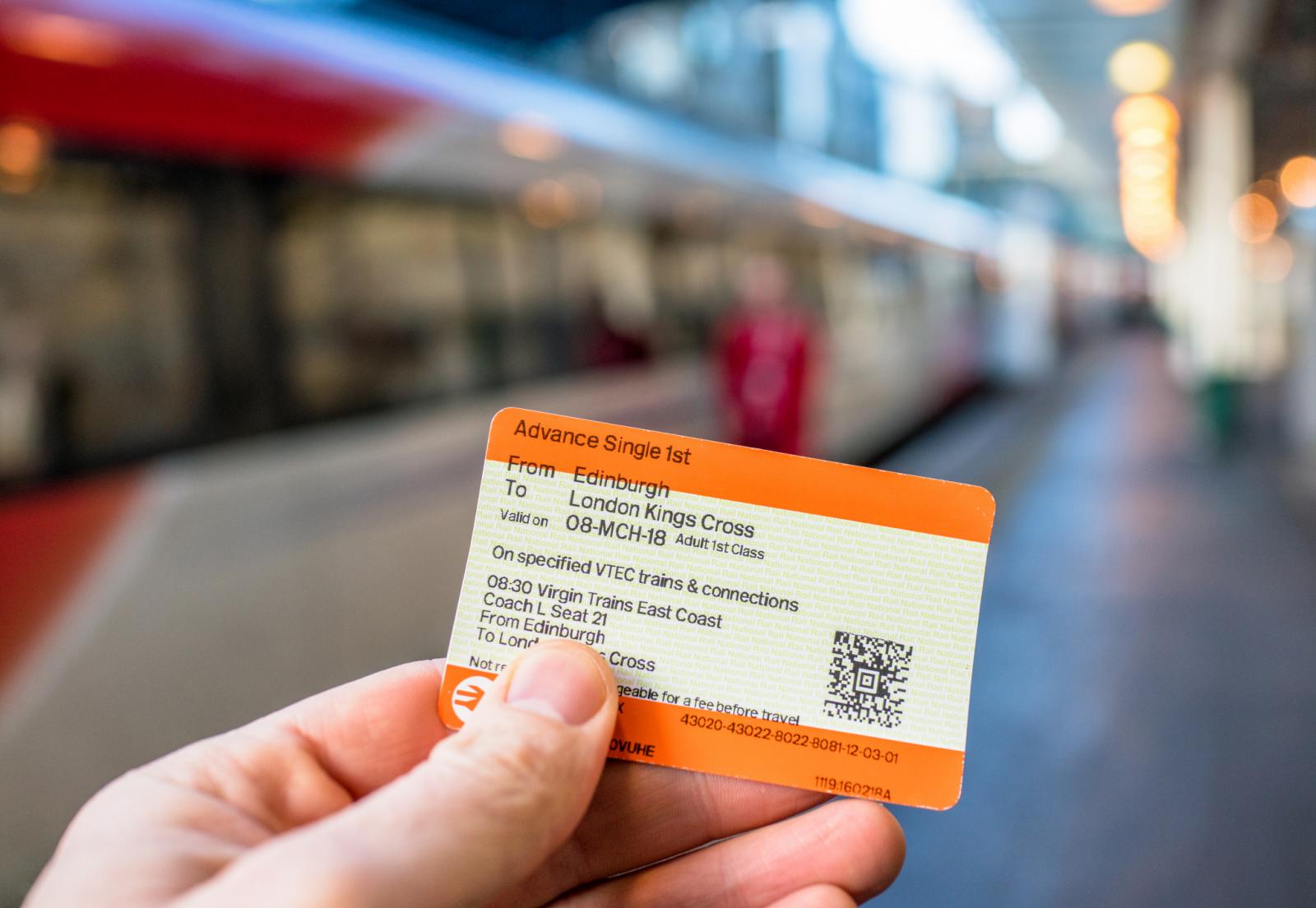
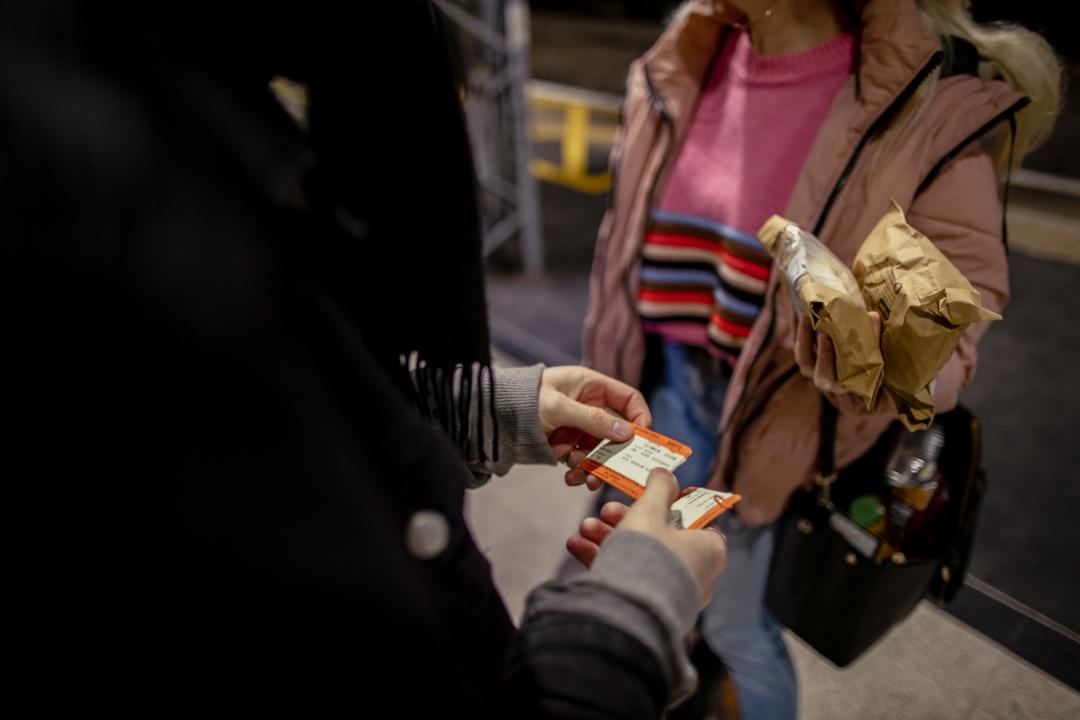
Customers can use a direct service or another reasonable alternative route and will simply need to present their original ticket to onboard or station staff. There will be no requirement to purchase a new ticket or download replacement travel documentation.
Cross-operator ticket acceptance has already been introduced across publicly owned operators. However, the scheme is now being significantly expanded to include several major long-distance and intercity operators, extending the benefits to thousands more passengers across the network.
Lord Hendy: 'A Simple, Common-Sense Change'
Rail Minister Lord Hendy welcomed the reform, saying:
“This is a simple, common-sense change that puts passengers first. No one should be left stranded because of a fragmented railway when their journey is disrupted. From this weekend, if your train is cancelled, you can get on another operator’s service and carry on your journey without paying again.
“We’re fixing the railway from the ground up, making it simpler, fairer and easier to use, as we move towards Great British Railways and put public service back at the heart of our railways.”
Operators Taking Part
The expanded scheme will cover the following train operators:
- c2c
- Gatwick Express
- Greater Anglia
- Great Northern
- LNER
- London Northwestern Railway
- Northern
- Southeastern
- Southern
- Thameslink
- South Western Railway
- TransPennine Express
- West Midlands Railway
- Avanti West Coast
- Chiltern Railways
- CrossCountry
- Great Western Railway
East Midlands Railway is expected to join the scheme at a later date.
Part of Wider Rail Reform
The expansion forms part of the Government's wider programme to simplify Britain's rail ticketing and fares system ahead of the launch of Great British Railways.
Alongside the ticket acceptance reforms, the Government is investing £156 million in new ticketing technology. By 2027, pay-as-you-go ticketing is expected to be available at more than 100 additional stations across Greater Manchester, the Midlands and the South East.
Digital ticketing systems will allow passengers to use smartphone apps that automatically calculate the best fare for journeys using location-based technology, removing the need to buy tickets in advance or tap in and out at stations.
A new Great British Railways website and mobile app is also being developed, creating a single platform where customers will be able to purchase tickets, access live travel information and receive support during disruption.
Passenger Watchdog Welcomes Changes
Alex Robertson, Chief Executive of independent watchdog Transport Focus, said:
“When passengers are delayed, they just want to get where they need to be, not worry about whether their ticket will be accepted on another train.
“This is a welcome change that we have long called for and should make it easier for people when services are cancelled.
“The key now is making sure passengers get clear information about their options whenever disruption occurs.”
For the rail industry, the change represents a significant step towards delivering a more integrated passenger experience, reducing one of the most common frustrations faced during service disruption and providing greater certainty for customers when things go wrong.
Image credits: iStock