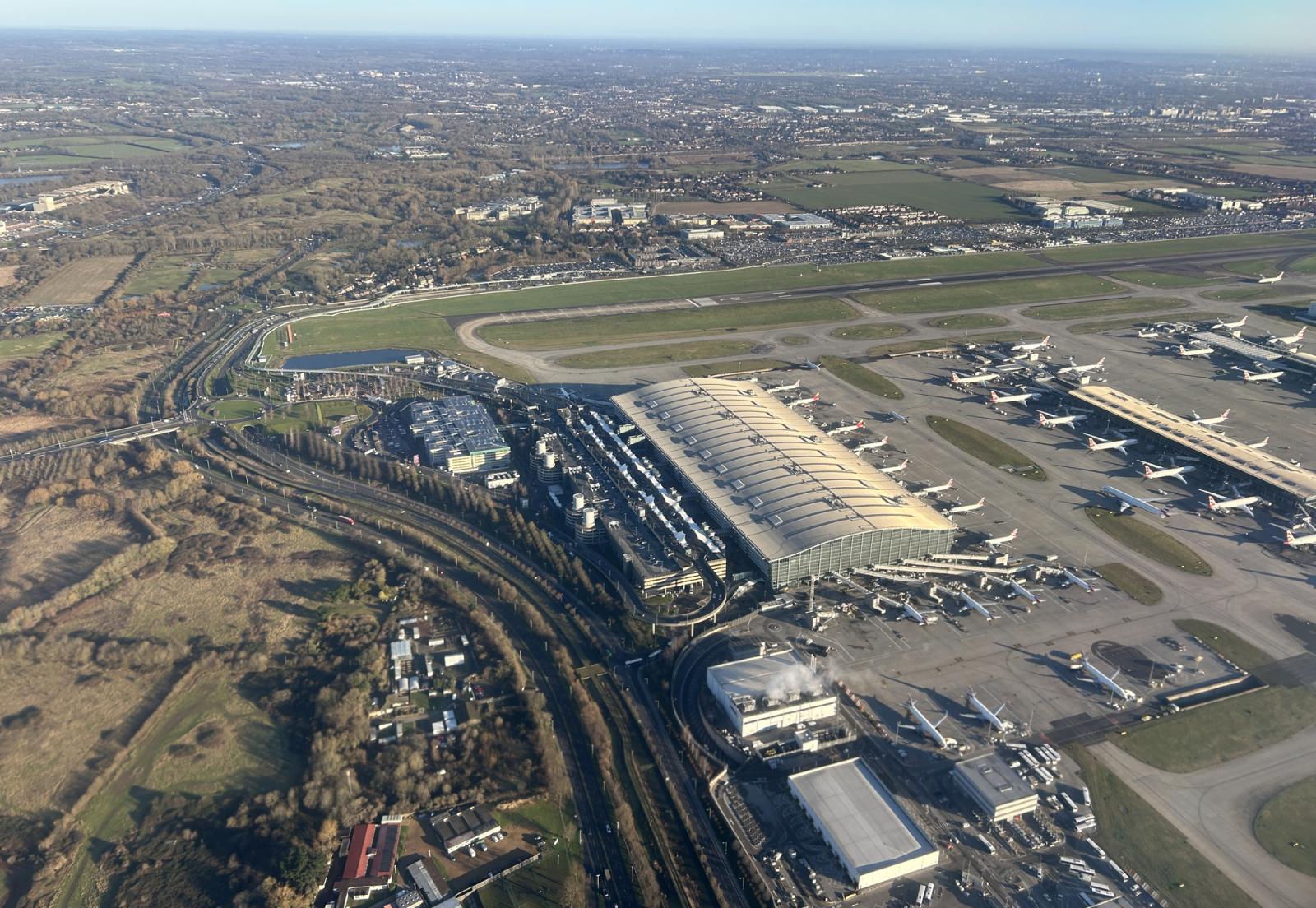

Transport for the South East (TfSE) has welcomed the findings of a newly refreshed economic study into the Western Rail Link to Heathrow (WRLtH), revealing improved financial viability, reduced estimated costs, and strengthened justification for delivery of the long‑awaited scheme. TfSE contributed funding towards the report, produced by the Thames Valley Chamber of Commerce.
Lower costs and stronger economic returns
The updated assessment indicates that the Western Rail Link could deliver strong economic returns under both two‑runway and three‑runway Heathrow scenarios, with the potential for the project to pay back investment by 2044, assuming an opening year of 2032.
A review of capital costs shows that construction efficiencies—particularly in tunnelling—could drive notable savings. The study also reports that surface access traffic at Heathrow has rebounded faster than forecast, with 2025 activity now aligned with pre‑pandemic modelling.
Public‑private delivery model outlined
The report explores options for a blended public‑private funding approach. One delivery pathway proposes:
- Private financing for the tunnel and Terminal 5 connection
- Network Rail–delivered Langley junction
Under a three‑runway future for Heathrow, the economics strengthen even further, with an indicative internal rate of return of 8.1%.
Connectivity, sustainability and growth at the heart of TfSE’s backing
TfSE continues to highlight the Western Rail Link as a critical strategic investment that would:
- Improve rail access to Heathrow for millions across the South East
- Cut road congestion
- Enhance sustainable travel choices
- Unlock wider economic opportunities for places such as Reading, Didcot, Oxford, Slough and Swindon
The scheme remains a key priority in TfSE’s Strategic Investment Plan and Rail Strategy.
TfSE confirmed it will work with partners to support the next phase of development, including the proposed Phase 2 business case study, which will help inform future UK Government decisions.
Image credits: iStock