Network Rail is stepping up efforts to protect passengers and freight services from winter weather disruption, with engineers completing inspections at every high-risk drainage and earthworks location across the North West before the end of October.
The infrastructure operator has identified 130 priority sites across the region as part of its winter resilience programme, amid forecasts suggesting significantly higher than average rainfall during November and December.
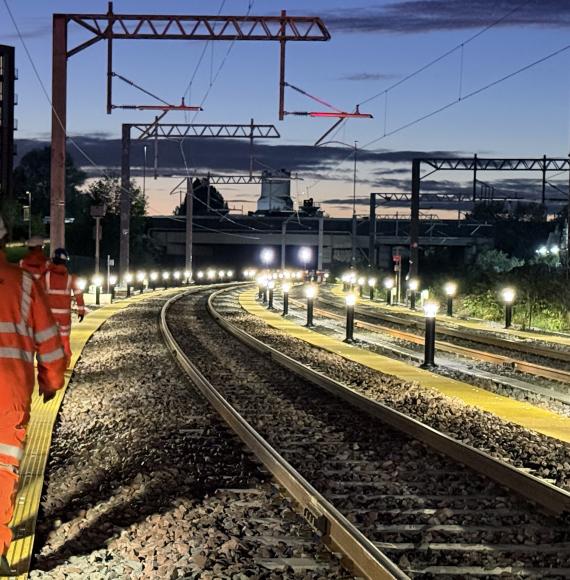
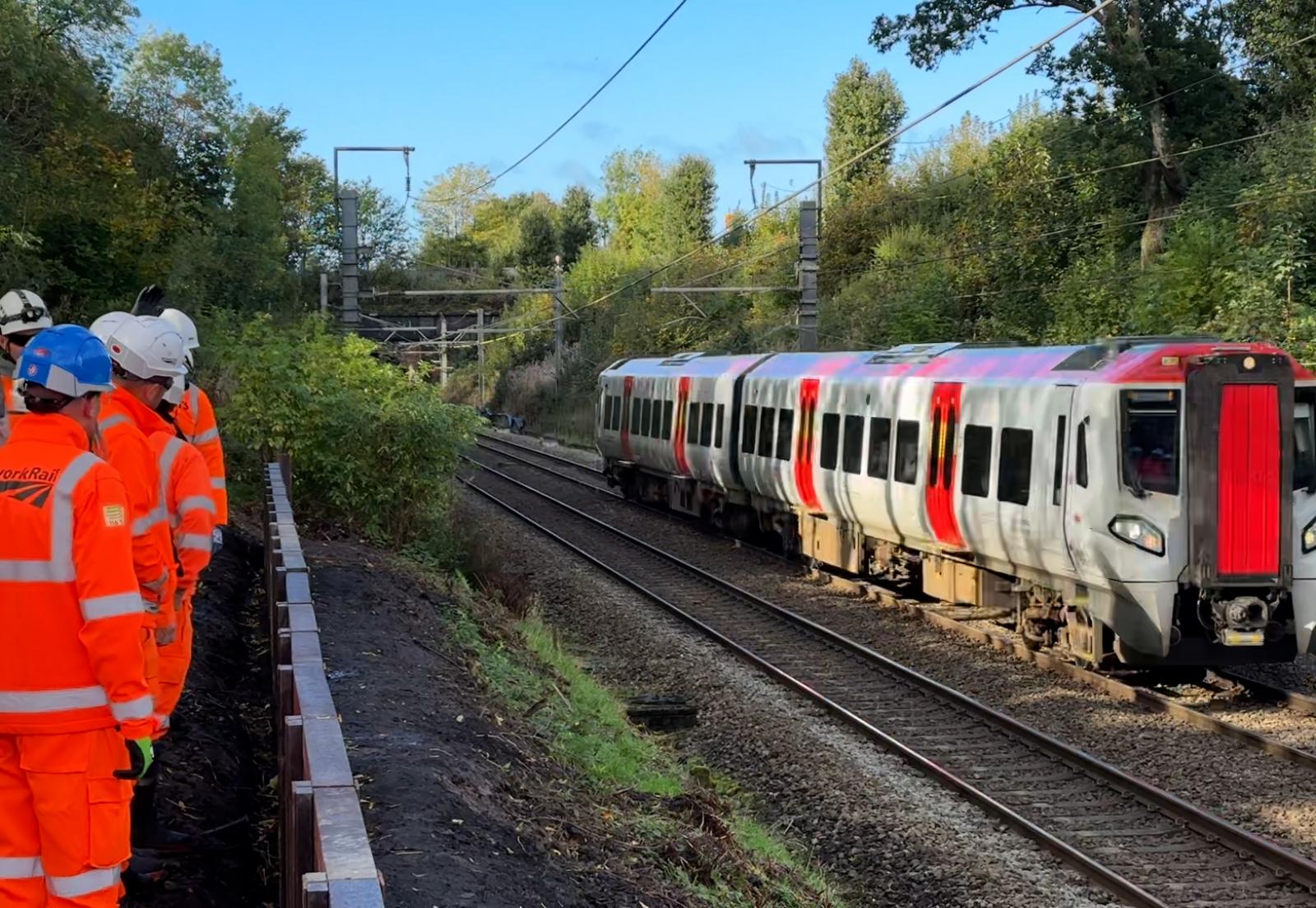
One key focus area is Culcheth, on the busy Chat Moss route between Liverpool and Warrington, where engineers and contractor QTS Group have been carrying out detailed inspections and maintenance work designed to improve the railway’s ability to withstand prolonged wet weather.
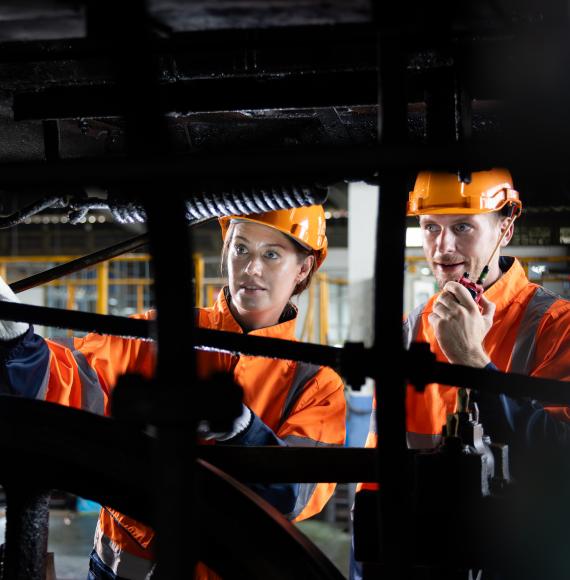
Footage released today (21 October) shows teams assessing recently installed earthwork strengthening measures, monitoring drainage systems, clearing vegetation and checking equipment used to detect ground movement.
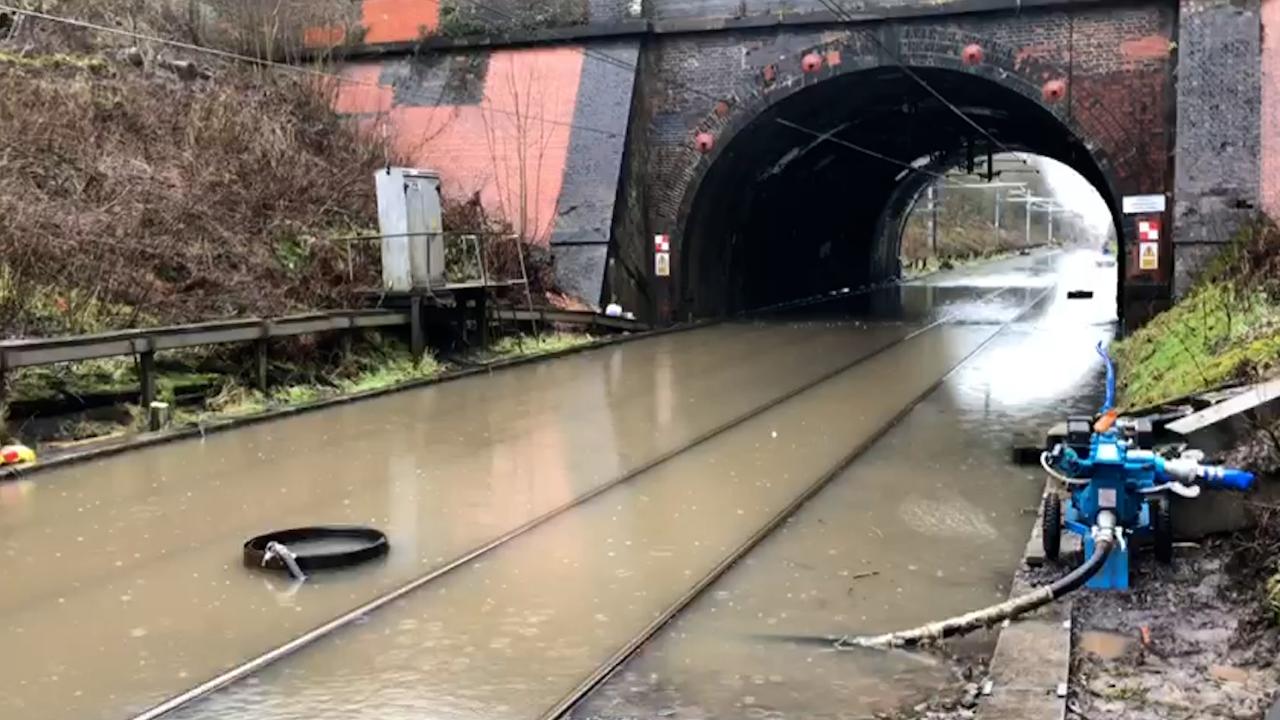
The Culcheth section has historically experienced flooding issues, prompting Network Rail to invest more than £1.5 million in resilience improvements since 2021.
Across the North West route, Network Rail is responsible for maintaining around 65,000 individual drainage assets, including ditches, pipes and culverts, all of which play a critical role in preventing flooding and ensuring trains can continue operating safely during adverse weather.
While the railway industry cannot entirely eliminate the impact of severe weather, extensive preparations are underway to minimise disruption and keep both passenger and freight services moving.
With weather forecasts predicting between 40% and 60% more rainfall than normal, largely influenced by the El Niño climate phenomenon, Network Rail is warning passengers that flooding and fallen trees could still lead to delays and cancellations during the winter months.
Travellers are being urged to check the latest service updates through National Rail Enquiries before beginning their journeys, particularly during periods of severe weather.
Safety Remains the Priority
Olivia Devan, Network Rail North West principal route engineer, said:
“Safety is always our number one priority, and we’ve been working since the summer to get the railway ready for what’s expected to be a very tough winter weather wise.
“While we will do everything we can to keep passenger and freight trains moving, there is a chance wet and windy conditions could cause disruption in the coming months. For that reason, while keeping an eye on the weather forecast, I’d also encourage those making any rail journey to also check National Rail Enquiries to make sure your train is running before you set out for the station.”
Autumn and Winter Preparations Underway
Alongside flood mitigation measures, Network Rail’s fleet of seven specialist autumn treatment trains is already operating across the network. The trains are expected to travel more than 100,000 miles before early December, removing leaf contamination which can affect braking performance and signalling systems.
The organisation has also invested a further £41 million in earthworks schemes aimed at strengthening embankments and cuttings, helping the railway better withstand increasingly extreme weather events.
As climate-related challenges continue to intensify, proactive inspection, maintenance and investment programmes remain crucial to improving resilience and reducing the impact of severe weather on rail operations across the North West.
Image & Video credits: Network Rail