The UK rail industry has launched a new Visual Safety and Security Systems Strategy, setting out a long-term vision to modernise video technology across Britain's railway and create a more connected, intelligence-led approach to safety, security and operational performance.
Developed jointly by Network Rail, the Rail Delivery Group, British Transport Police, train operators and industry partners, the strategy aims to standardise visual safety technologies across the network as the railway transitions towards a single identity under Great British Railways.
The move is designed to improve passenger and workforce safety, tackle crime and anti-social behaviour, increase operational efficiency and reduce disruption across the network.
Modernising Rail's Visual Safety Technology
The rail industry already relies on a wide range of visual safety and security systems, including:
- Fixed CCTV systems at stations, depots and level crossings
- Mobile camera deployments
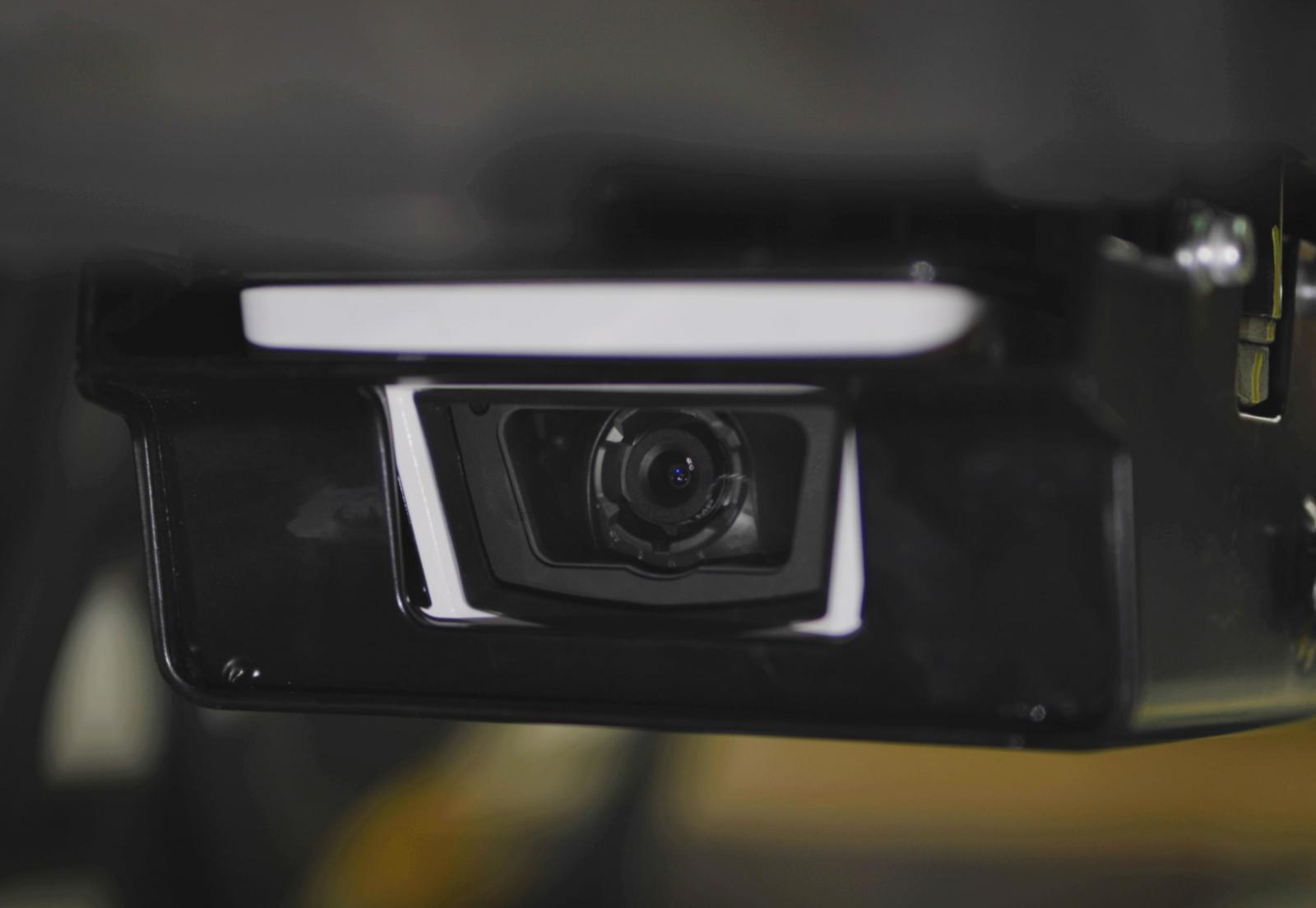
- Front-facing and onboard train cameras
- Body-worn video used by frontline colleagues and security teams
- Drone technology for inspections and incident response
- Cloud-based video monitoring, storage and retrieval systems
- Advanced sensors, analytics and AI-powered detection tools
These technologies play a critical role in monitoring high-risk locations, supporting asset management, improving crowd control during busy periods and helping operators restore services more quickly following incidents.
However, the UK's extensive rail network has developed these systems over many years, often through separate investment programmes. As a result, infrastructure currently ranges from legacy analogue equipment to modern digital and AI-enabled platforms, creating varying levels of capability across the network.
A Unified Approach for the Railway of the Future
With significant infrastructure renewal programmes already underway, the new strategy provides a framework to ensure future investment decisions are aligned with the railway's long-term digital and operational ambitions through to the 2030s.
One of the key challenges identified by the industry is the fragmented nature of existing CCTV systems. Different organisations frequently operate separate platforms, making it more difficult and time-consuming to access, share and review footage during incidents.
To address this issue, the strategy lays the foundations for a shared, interoperable environment that will allow organisations including Network Rail, BTP and train operators to access footage more quickly and efficiently.
£17m Video Connectivity Platform to Transform CCTV Access
At the heart of the strategy is the Video Connectivity Platform (VCP), a new shared digital infrastructure backed by £17 million of Government funding.
The VCP will create a unified platform enabling secure, real-time access to CCTV footage across the rail network, supporting faster decision-making during safety incidents, operational disruptions and security events.
The platform is also expected to future-proof rail video systems, ensuring compatibility with emerging technologies while making future upgrades easier and more cost-effective.
By simplifying how video data is accessed and shared, the industry expects the platform to improve collaboration between rail operators, infrastructure managers and law enforcement agencies.
Potential Savings of £36 Million Per Year
Financial modelling suggests the VSS Strategy could deliver substantial economic benefits for the rail sector.
The industry estimates annual savings of up to:
- £20 million in Schedule 8 delay costs
- £16 million in safety-related savings
In addition to these direct financial benefits, the strategy is expected to deliver wider operational improvements through enhanced incident management, faster service recovery and more effective use of emerging technologies.
The programme also supports the Government's Safer Railways Scheme, reinforcing the industry's commitment to providing a safe and secure environment for passengers, railway colleagues and communities across Britain.
Peter Gibbons, Chief Security Officer at Network Rail, said:
“We are at our best as a rail industry when we embrace new technology, and ensuring our visual security systems are up to date is no different.
“This strategy marks a significant step forward for security across Britain's railway. For too long, our visual systems have operated in silos, limiting our ability to respond.
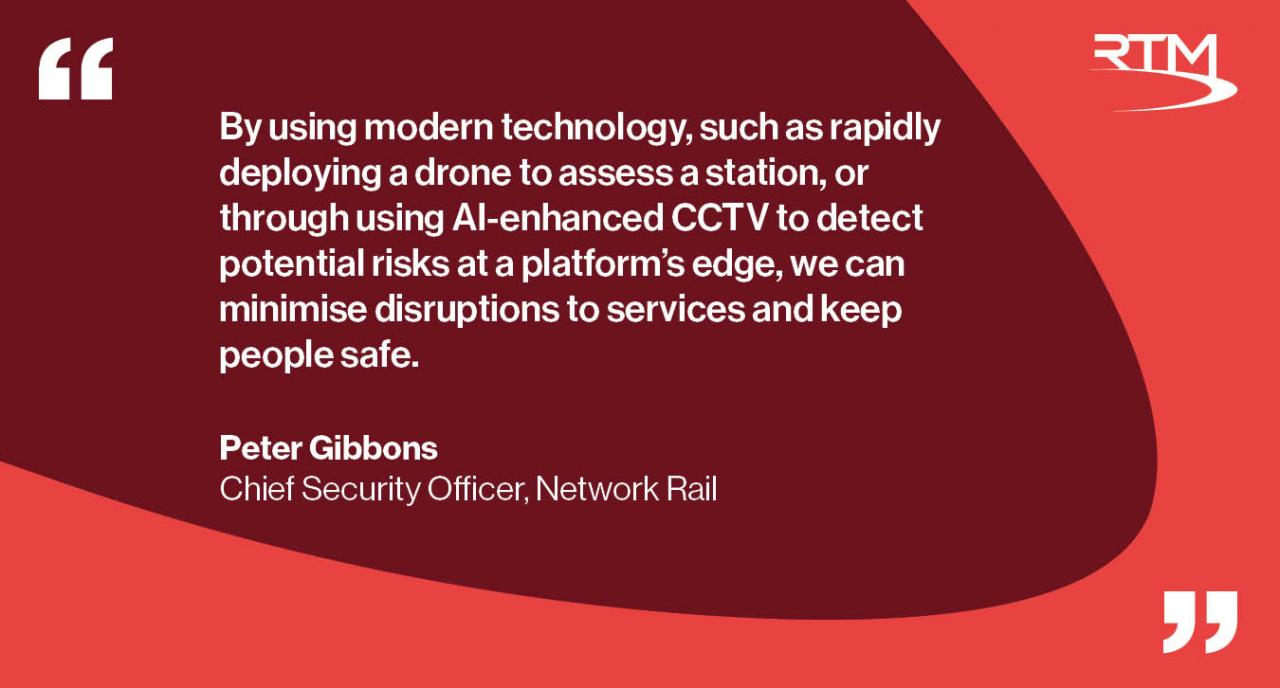
“By using modern technology, such as rapidly deploying a drone to assess a station, or through using AI-enhanced CCTV to detect potential risks at a platform’s edge, we can minimise disruptions to services and keep people safe.
“Through bringing the industry together around common standards and a shared architecture, we can move from a reactive approach to one that is truly intelligence-led. This is about making the railway safer for passengers and colleagues alike, and I'm proud that Network Rail is helping to lead that change."
Image credit: Network Rail