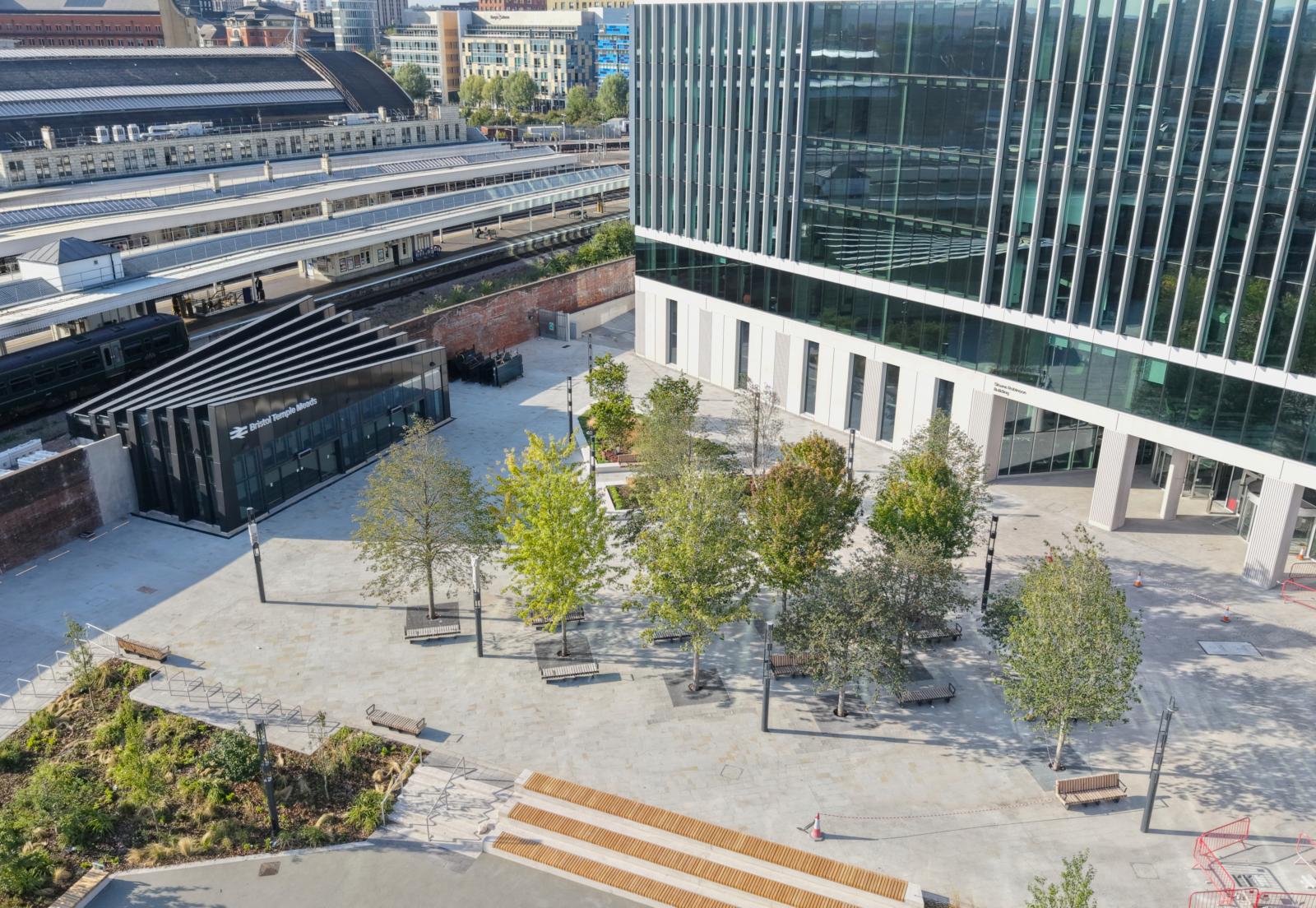
A major milestone in the transformation of Bristol Temple Meads station will be reached when its new eastern entrance opens at 4pm on Monday 7 September.
The £23 million entrance, delivered by Network Rail in partnership with Bristol Temple Quarter partners, creates a direct link between Bristol Temple Meads and the University of Bristol's new Temple Quarter Enterprise Campus. It is also set to improve connectivity for residents, businesses and visitors travelling to and from St Philip's Marsh and the eastern side of the city.
Expected to accommodate approximately 2.5 million passengers annually by 2030, the facility forms part of a wider programme aimed at doubling capacity at the South West's busiest railway station. The project has been funded through a share of £94.7 million government investment awarded to the West of England Mayoral Combined Authority (WECA) to support the development of three new station entrances.
As the first of the three planned entrances to be delivered, the eastern gateway opens directly onto the Temple Quarter Enterprise Campus, strengthening connections between Bristol's principal rail hub, one of the UK's most significant emerging innovation districts and communities across east Bristol.
The scheme represents a key element of the wider Bristol Temple Quarter regeneration programme, regarded as one of Europe's most ambitious regeneration projects. The initiative aims to create thousands of homes, jobs and economic opportunities across Bristol and the wider West of England region. The programme is being delivered by Bristol Temple Quarter LLP, a partnership established by WECA and Bristol City Council in 2024, working alongside Network Rail, the University of Bristol and Homes England.
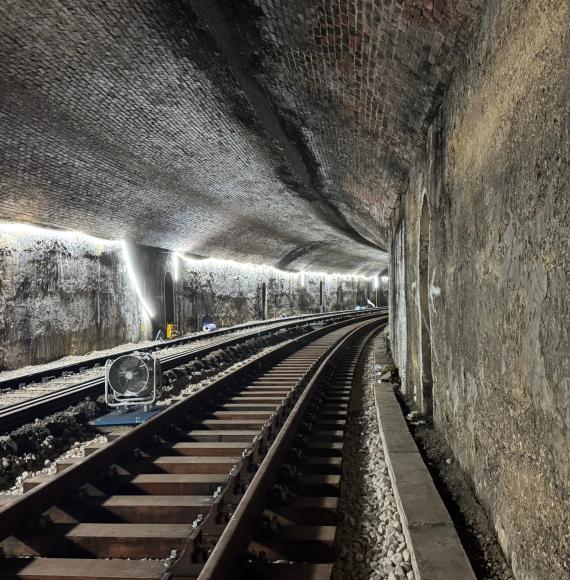
Construction of the entrance required Network Rail engineers to extend the existing station subway beneath platforms 13 and 15. The complex project involved excavation through existing structures, extensive drainage works, new foundations and wider station improvements.
Work began in late 2023, with the principal construction phase completed in October 2024 ahead of the campus opening.
The transport benefits will extend beyond rail. From Tuesday 8 September, the number 8 bus service between Bristol Temple Meads and Clifton will begin serving the new eastern entrance via a new stop on Cattle Market Road, replacing its current use of Station Approach.
Industry Reaction
Marcus Jones, Network Rail’s Great Western route director, said:
"Bristol Temple Meads has been at the heart of the city since it opened in 1840, and this new entrance ensures it will play an even greater role in its future. By connecting the railway directly to the Temple Quarter Enterprise Campus and one of the UK's most exciting innovation districts, we’re connecting new jobs, investment and economic growth to the rest of the West and beyond.
"This milestone reflects more than a decade of collaboration between partners with a shared ambition for Bristol Temple Quarter."
"Together, we're transforming connectivity, unlocking development and creating a gateway that will support the region's growth for decades to come."
Helen Godwin, Mayor of the West of England, said:
“Our investment in the future of Bristol Temple Meads is a crucial step in getting the West moving, building on the extensive roof repairs which were recently completed. With the old sorting office replaced by the Temple Quarter Enterprise Campus and a brand-new entrance for Brunel’s iconic railway station, this gateway to innovation, new homes and new jobs will soon be well and truly open.”
Karen Mercer, CEO, BTQ LLP, said:
“By working together with our partners at Network Rail and the West of England Mayoral Combined Authority, we have delivered a new entrance to the station on time and on budget. This will dramatically improve access to the station for communities and businesses in east Bristol and is a key part of our wider aspirations for connectivity around Temple Quarter, as we deliver thousands of new homes, jobs and opportunities for people in West of England.”
Image credit: Network Rail