Millions of rail passengers across the South East and East of England will see their journeys brought back into public ownership this weekend, as Govia Thameslink Railway (GTR) officially transfers into public hands on Sunday 31 May 2026.
As the UK’s largest train operating company, GTR is responsible for one in every six passenger rail journeys nationwide. Its network spans Thameslink, Great Northern, Southern and Gatwick Express services, carrying hundreds of millions of passengers each year and forming the backbone of rail travel across the South East.
The move marks a major milestone in the government’s rail reform programme, with GTR becoming the fifth operator to enter public ownership under the Passenger Railway Services (Public Ownership) Act. From this weekend, around 80% of all passenger journeys that Great British Railways (GBR) will ultimately oversee will be delivered by publicly owned operators.
Focus on reliability, safety and passenger experience
Under public ownership, GTR will deliver a wide‑ranging programme of improvements designed to tackle long‑standing performance issues and raise standards for passengers.
Central to this is a 100‑day plan focused on operational basics, reliability and the on‑board experience. Key initiatives include:
- Doubling Gatwick Express services between Gatwick Airport and London Victoria from December, alongside additional early‑morning services on Saturdays and Mondays from this summer.
- Recruiting more drivers to improve train crew availability, with 75 additional drivers across Thameslink and Great Northern this year, plus 40 more at Southern and Gatwick Express.
- Improving safety and security, with 110 new Travel Safe Officers being trained to tackle anti‑social behaviour and support revenue protection.
- Refreshing Thameslink train toilets, with interiors resurfaced on two trains every week and more than half the fleet completed by year‑end.
- Upgrading signalling between Farringdon and Blackfriars, expected to prevent over 1,000 cancellations a year.
- Enhancing customer communication, including a new WhatsApp support channel during disruption and expanded online payment options.
A defining moment for rail reform
Transport Secretary Heidi Alexander described the transfer as a turning point for the railway:
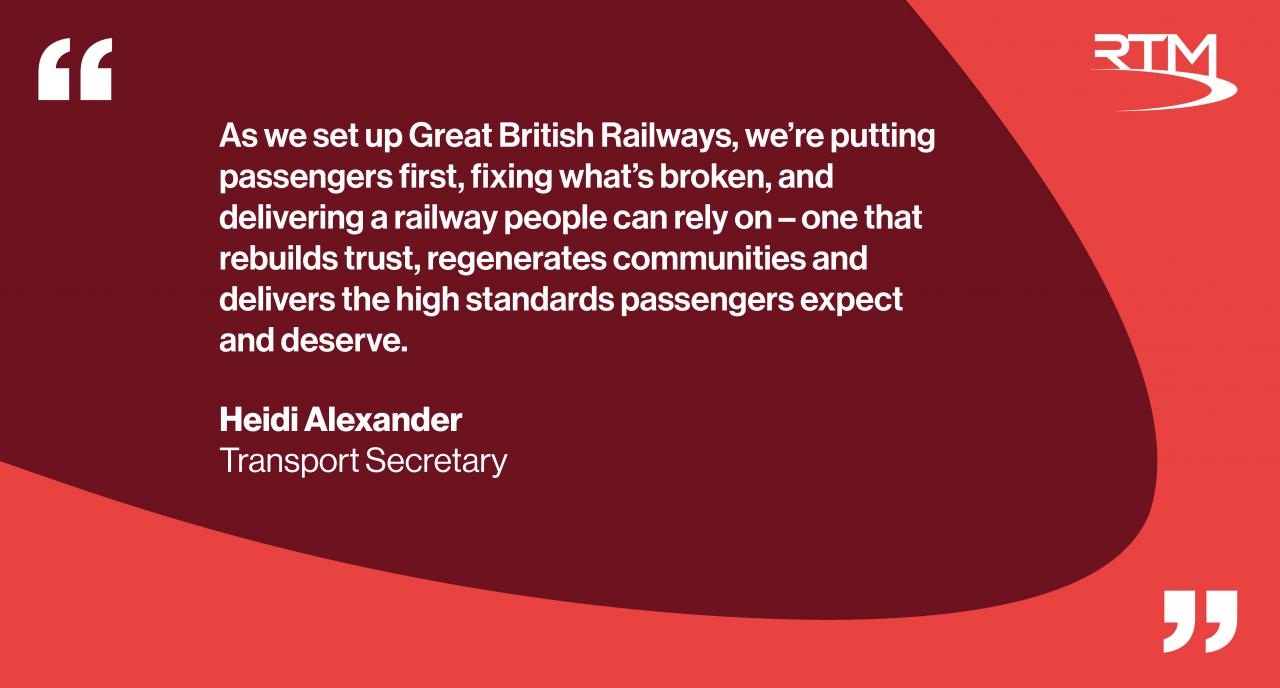
“From this Sunday, millions of passengers across the South East and East of England will be travelling on rail services back in public hands – run for the public good, not private profit.
“Bringing Britain’s largest train operator into public ownership is a defining moment in our reform of the railway. It gives us an opportunity to tackle the bread and butter issues people want, like driving down cancellations and improving the frequency of services to Gatwick Airport.
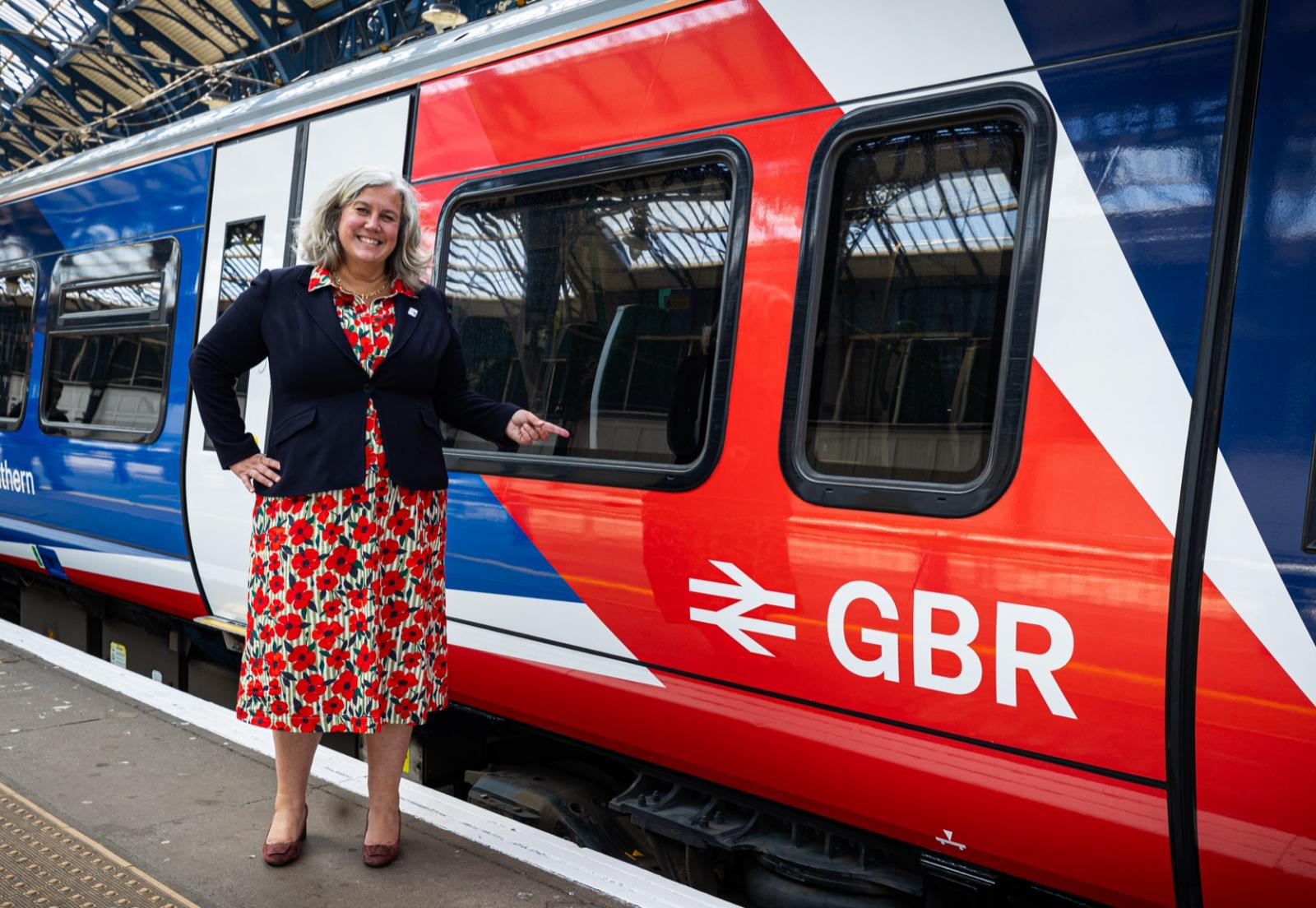
The transfer follows the unveiling of the first GBR‑branded train at Brighton station, signalling the visible start of a new, integrated railway era.
Economic impact and future growth
GTR’s services already make a significant contribution to the UK economy, generating £3.2 billion in 2025 and supporting 40,000 jobs. From Sunday 28 June, Thameslink and Great Northern services will also begin stopping at the new Cambridge South station, supporting thousands of new homes, schools and employment space.
John Whitehurst, Chief Operating Officer for GTR, said:
“This is a railway that carries millions of people to work, to school, and to see friends and family every single day. From this Sunday every one of them will be on a publicly owned service, which is a responsibility we take seriously and one we have been preparing for.
“We have spent the past year building the foundations, and bringing even deeper integration into our operations with Network Rail, with a single focus on what's right for our customers and communities.
“That work means customers are already getting a railway that's been transforming, and public ownership gives us the chance to go further to deliver the railway that millions of people across the South East deserve.”
Industry backing for a joined‑up railway
Business leaders have also welcomed the move. Ana Christie, CEO of Sussex Chamber of Commerce, said:
“I was delighted to attend the launch of Great British Railways at Brighton station and to have a discussion with Transport Secretary Heidi Alexander.
“This marks the launch of a greater joined‑up railway, working in collaboration with business and other key stakeholders, to ensure challenges are addressed and progress is made to deliver a service fit for the future. I look forward to further conversations, ensuring business concerns are captured in fundamentally reforming the railway.”
Public ownership momentum builds
Publicly owned operators continue to outperform the network average, with c2c and Greater Anglia leading on punctuality and reliability, and rail fares frozen for the first time in three decades. Passengers also benefit from greater flexibility, including the ability to travel on another publicly owned service at no extra cost if their train is cancelled.
GTR joins LNER, Northern, TransPennine Express, Southeastern, South Western Railway, c2c, Greater Anglia and West Midlands Trains under DfT Operator Limited. Chiltern Railways will transfer in September 2026, followed by Great Western Railway in December, with full public ownership expected by the end of 2027.
Image credit: Department of Transport