Network Rail Scotland has launched a £1.3 million infrastructure upgrade programme on a vital railway structure in Dunblane, reinforcing its long-term commitment to safe and reliable rail operations across the region.
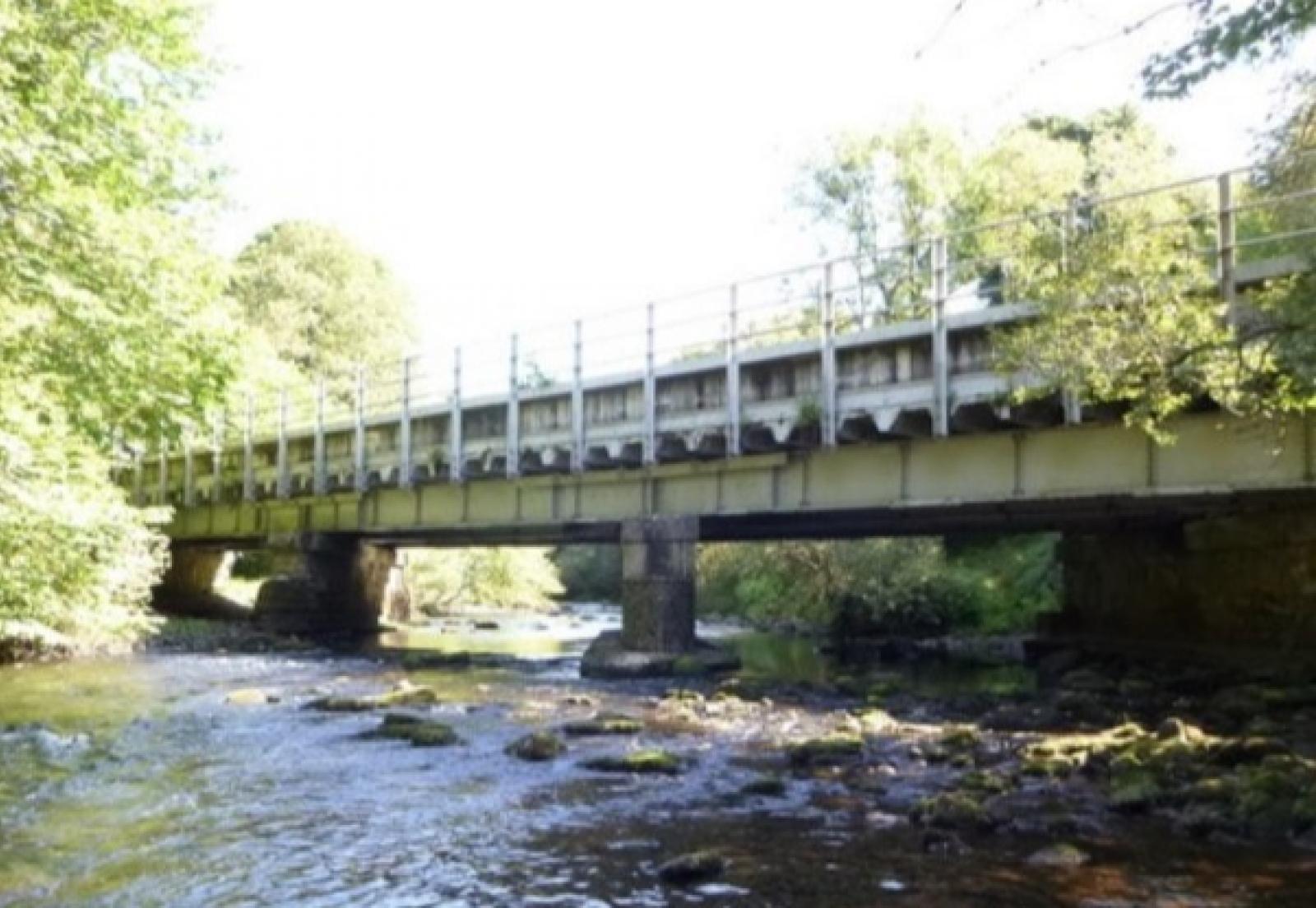
The 27-week scheme, which began on 6 July, will see engineers carry out essential strengthening works on Barbush Viaduct, a key asset spanning the River Allan. The intervention is designed to extend the life of the structure while minimising the likelihood of more disruptive interventions in the future.
Strengthening a critical asset
The programme will focus on a series of structural and preventative measures, including:
- Steel repairs to enhance the viaduct’s resilience
- Repainting works to guard against corrosion
- Improvements to the foundations to support long-term stability
By proactively addressing wear and tear, Network Rail aims to reduce the need for major repairs further down the line — a move that supports both operational continuity and cost efficiency.
Minimising disruption to passengers and the environment
In a bid to limit local disruption, materials will be transported to site via rail wherever possible, reducing reliance on road haulage. Engineers will also utilise pontoons on the River Allan alongside a compact worksite adjacent to the viaduct to complete the works safely.
Environmental protection is another key priority. Network Rail is working closely with the Scottish Environment Protection Agency (SEPA) to safeguard the river ecosystem, with strict controls in place to prevent debris or construction materials from entering the watercourse.
Long-term benefits for rail users
Ross Moran, route director at Network Rail Scotland, подчеркed the strategic value of the investment, stating:
“This investment in Barbush Viaduct will help keep trains running safely through Dunblane for many years to come."
These essential works will make the structure stronger and more resilient, while reducing the need for major repairs in future.”
Once complete, the upgraded viaduct will be better equipped to withstand environmental pressures and ongoing usage, ensuring it continues to support both passenger services and freight operations efficiently.
Image credit: Network Rail